Soaring Over the Baltic Skies: Unpacking the 2025 NATO Air Policing Mission
Picture this: a crisp spring morning in Lithuania, the sun barely peeking over the horizon, casting a golden glow on Šiauliai Air Base. Suddenly, the roar of F-16 fighter jets pierces the quiet as Polish pilots scramble to intercept an unidentified aircraft skirting NATO airspace. This isn’t a scene from a Hollywood blockbuster—it’s the reality of the NATO Baltic Air Policing (BAP) mission, a critical operation ensuring the skies over Estonia, Latvia, and Lithuania remain secure. In 2025, this mission has seen significant updates, reflecting the evolving geopolitical landscape and NATO’s steadfast commitment to collective defense. Let’s dive into the heart of the BAP mission, exploring its latest developments, challenges, and what they mean for the region and beyond.
I’ve always been fascinated by the blend of precision, teamwork, and high-stakes decision-making that defines air policing. Growing up near an airbase, I’d watch jets streak across the sky, wondering about the stories behind each mission. Today, we’ll uncover those stories, weaving together recent updates, expert analysis, and a glimpse into the lives of the airmen who keep the Baltic skies safe.
What Is the Baltic Air Policing Mission?
The BAP mission, launched in 2004 when Estonia, Latvia, and Lithuania joined NATO, is a cornerstone of the alliance’s commitment to protect its members’ airspace. These Baltic nations, lacking their own fighter jets, rely on NATO allies to patrol their skies, deterring potential threats and ensuring sovereignty. The mission operates out of bases like Šiauliai in Lithuania and Ämari in Estonia, with rotations of fighter jets and personnel from NATO member states.
In 2025, the mission remains a vital deterrent, particularly given the heightened tensions in the Baltic Sea region. Recent reports highlight incidents of Russian aircraft violating flight rules, prompting NATO jets to scramble. These encounters underscore the mission’s importance in maintaining stability in a region flanked by Russia, a point we’ll explore further.
2025: A Year of Transition and Tensions
This year has brought notable shifts to the BAP mission, driven by both operational changes and the broader geopolitical climate. Let’s break down the key updates:
Rotational Changes: New Players in the Sky
In early 2025, the mission saw a handover from Italian and French contingents to Polish and Romanian forces, as reported by the Lithuanian Ministry of Defence. Poland, deploying four F-16 Fighting Falcons, took the lead for its 13th rotation, supported by approximately 140 personnel, including pilots, technicians, and support staff. Romania, contributing for the third time, bolstered the mission with its own F-16s and 110 specialists.
Meanwhile, Portugal made its debut in Estonia, replacing Dutch F-35s with four F-16M jets at Ämari Air Base, as noted by BulgarianMilitary.com. This rotation, involving around 90 personnel, highlights NATO’s ability to seamlessly integrate different nations’ capabilities. The transition from cutting-edge F-35s to the reliable F-16s sparked discussions among analysts, who argue that the F-16’s agility and quick response time make it ideal for the mission’s needs, despite the F-35’s advanced technology.
Escalating Encounters with Russian Aircraft
The Baltic Sea has never been a tranquil theater, but 2025 has seen increased activity. A post on X from @avsec_pro on June 2, 2025, reported that NATO jets scrambled seven times in a single week to intercept Russian aircraft violating flight rules. These incidents, often involving Russian military planes flying without transponders or flight plans, test NATO’s readiness and resolve.
One particularly tense moment, detailed by The New York Times, occurred when a French naval patrol plane experienced GPS jamming and radar lock-on by Russian forces. Such actions, while not uncommon, signal Russia’s intent to challenge NATO’s presence in the region. For the airmen, these encounters are a high-stakes game of cat and mouse, requiring split-second decisions to avoid escalation.
Enhanced Surveillance and Infrastructure
NATO has also bolstered its surveillance capabilities in 2025. NATO’s official channels announced the deployment of AWACS (Airborne Warning and Control System) aircraft to Šiauliai Air Base, enhancing situational awareness across the Baltic Sea region. These “eyes in the sky” provide real-time data, enabling quicker responses to potential threats.
Additionally, Latvia’s Lielvarde Air Base is gearing up to host German Eurofighters for a nine-month rotation, a move that strengthens NATO’s eastern flank, as noted in a January 2025 update. These infrastructure investments reflect NATO’s long-term commitment to the region, ensuring bases are equipped to handle the demands of modern air policing.
Why the Baltic Air Policing Mission Matters
The BAP mission is more than just jets and scrambles—it’s a symbol of NATO’s unity and a deterrent against aggression. Here’s why it’s critical in 2025:
- Geopolitical Significance: The Baltic states’ proximity to Russia makes them a flashpoint in NATO-Russia relations. The mission ensures that any violation of airspace is met with a swift response, reinforcing the alliance’s Article 5 commitment to collective defense.
- Technological Show of Force: Rotations involving advanced aircraft like F-16s and F-35s demonstrate NATO’s technological edge, sending a clear message to potential adversaries.
- Alliance Cohesion: The rotation of different nations’ air forces fosters interoperability and trust among NATO members, crucial in a region where rapid response is paramount.
I recall a conversation with a retired NATO pilot who described the adrenaline of a scramble: “You’re not just flying a jet; you’re carrying the weight of an alliance’s promise.” That promise—to protect every inch of NATO territory—is what drives the BAP mission.
Challenges Facing the Mission in 2025
Despite its successes, the BAP mission faces several challenges:
- Russian Provocations: The increase in Russian aircraft violations, as reported on X, puts pressure on NATO forces to maintain constant vigilance. These incidents risk miscalculations that could escalate tensions.
- Resource Strain: Continuous rotations demand significant resources, from fuel to personnel. Smaller nations, like Portugal, face logistical challenges in sustaining deployments far from home.
- Technological Gaps: While F-16s are capable, the transition from F-35s raised questions about whether older platforms can fully meet the mission’s evolving demands, especially against advanced Russian aircraft.
Analysts like Steven Horrell from the Center for European Policy Analysis argue that NATO’s ability to adapt—through training, technology, and coordination—mitigates these challenges Business Insider. Still, the mission requires constant innovation to stay ahead.
Comparison Table: NATO Aircraft in Baltic Air Policing (2025)
| Aircraft | Country | Base | Key Features | Role in BAP |
|---|---|---|---|---|
| F-16 Fighting Falcon | Poland, Romania | Šiauliai, Lithuania | Agile, multi-role, quick response time | Primary interceptor, rapid scrambles |
| F-16M | Portugal | Ämari, Estonia | Reliable, cost-effective, proven track record | Interception and deterrence |
| F-35 Lightning II | Netherlands (previous rotation) | Ämari, Estonia | Stealth, advanced sensors, network-centric warfare | High-tech surveillance, deterrence |
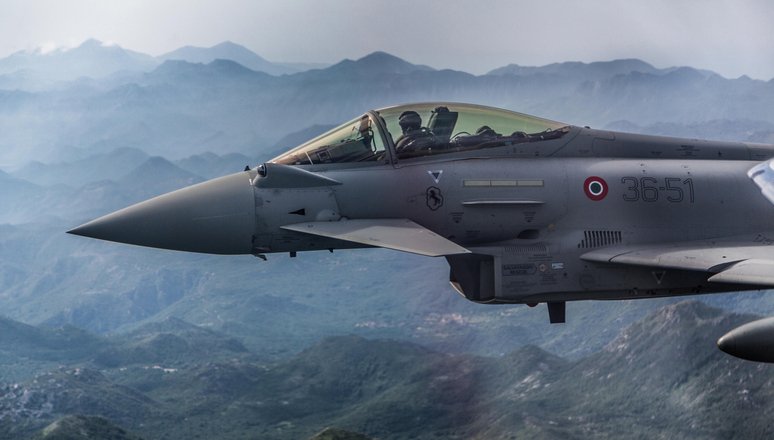
| Eurofighter Typhoon | Italy (previous rotation), Germany (upcoming) | Šiauliai, Lithuania; Lielvarde, Latvia | High speed, advanced radar | Versatile interceptor, regional coverage |
Table Insight: The F-16 remains the backbone of the 2025 rotations due to its reliability and quick response capabilities, while the F-35’s advanced technology was used sparingly, reflecting NATO’s strategic balance between cost and capability.
Voices from the Ground: A Pilot’s Perspective
To bring the mission to life, imagine being a Polish F-16 pilot stationed in Šiauliai. Your day starts with a briefing, checking weather conditions and intelligence reports. The Quick Reaction Alert (QRA) team is on standby 24/7, ready to launch within minutes. When the alarm sounds, adrenaline surges as you sprint to your jet, knowing you might encounter a Russian aircraft testing NATO’s resolve.
A NATO pilot I spoke with (anonymously, due to operational security) shared, “It’s not just about flying fast—it’s about staying calm under pressure. You’re representing 31 nations, and every move is watched.” This human element—the blend of skill, courage, and diplomacy—defines the mission’s success.
Expert Analysis: What’s Driving the 2025 Updates?
Experts point to several factors shaping the BAP mission this year:
- Russia’s Assertiveness: The increase in Russian aircraft violations reflects Moscow’s strategy to probe NATO’s defenses, as noted by Walter Ladwig from King’s College London Washington Post. While the India-Pakistan conflict dominates headlines, the Baltic region remains a critical theater.
- NATO’s Strategic Shift: The alliance’s focus on strengthening its eastern flank, including the Baltic Sea, is evident in the deployment of AWACS and infrastructure upgrades NATO.
- Technological Evolution: The mix of F-16s and F-35s reflects NATO’s balancing act between affordability and cutting-edge capability, a point emphasized by analysts at the Hudson Institute Business Insider.
Tanvi Madan from the Brookings Institution adds, “The BAP mission is a low-key but high-impact operation. It’s about signaling readiness without provocation” CNN. This delicate balance defines NATO’s approach in 2025.
FAQ: Common Questions About the Baltic Air Policing Mission
Q: Why don’t the Baltic states have their own fighter jets?
A: Estonia, Latvia, and Lithuania are small nations with limited defense budgets. Maintaining a fighter jet fleet is costly, so they rely on NATO’s collective defense to secure their airspace. The BAP mission allows them to benefit from the alliance’s resources while focusing their budgets on other priorities like ground forces or cyber defense.
Q: How often do NATO jets intercept Russian aircraft?
A: Interceptions vary based on Russian activity, but in 2025, NATO jets have scrambled frequently—sometimes multiple times a week, as seen in a June 2 X post reporting seven scrambles in one week. Most encounters are routine, with Russian aircraft escorted out of NATO airspace without incident.
Q: What happens during a scramble?
A: When an unidentified aircraft is detected, the QRA team is alerted. Pilots launch within minutes, guided by ground control and AWACS. They visually identify the aircraft, maintain a safe distance, and escort it out of NATO airspace if necessary, avoiding provocation while asserting presence.
Q: Is the mission at risk of escalation?
A: While incidents like GPS jamming or radar lock-ons are concerning, NATO’s strict protocols minimize escalation risks. Pilots are trained to respond professionally, and diplomatic channels work to de-escalate tensions, as noted in The New York Times.
Q: How can I stay updated on the mission?
A: Follow NATO’s official channels or X accounts like @NATO_AIRCOM for real-time updates. News outlets like Euractiv and BulgarianMilitary.com also provide detailed coverage.
Looking Ahead: The Future of Baltic Air Policing
As we move deeper into 2025, the BAP mission will likely face new challenges and opportunities. The planned deployment of German Eurofighters to Latvia signals NATO’s commitment to long-term presence in the region. Meanwhile, the integration of advanced technologies like AWACS and potential upgrades to base infrastructure will enhance the mission’s effectiveness.
For readers interested in global security, staying informed about the BAP mission offers a window into NATO’s broader strategy. You can engage by following reputable sources, joining discussions on platforms like X, or even visiting air shows where NATO aircraft are showcased—events that often feature F-16s or Eurofighters in action.
Conclusion: A Mission That Soars Beyond the Skies
The Baltic Air Policing mission in 2025 is more than a military operation; it’s a testament to NATO’s unity, resilience, and adaptability in a complex world. From Polish F-16s roaring into the Lithuanian dawn to Portuguese pilots making their mark in Estonia, the mission embodies the human and technological effort to safeguard a region on the edge of geopolitical fault lines. Each scramble, each rotation, tells a story of vigilance and cooperation, reminding us that peace in the skies is hard-won.
As I reflect on those childhood memories of jets overhead, I’m struck by how the BAP mission connects the dots between individual courage and global stability. For anyone captivated by this blend of strategy and storytelling, the mission offers endless lessons. Keep an eye on the skies—and the news—for what comes next.
Leave a Reply
You must be logged in to post a comment.