Riding the Waves: The Power of Fast Attack Boats in Baltic Navies
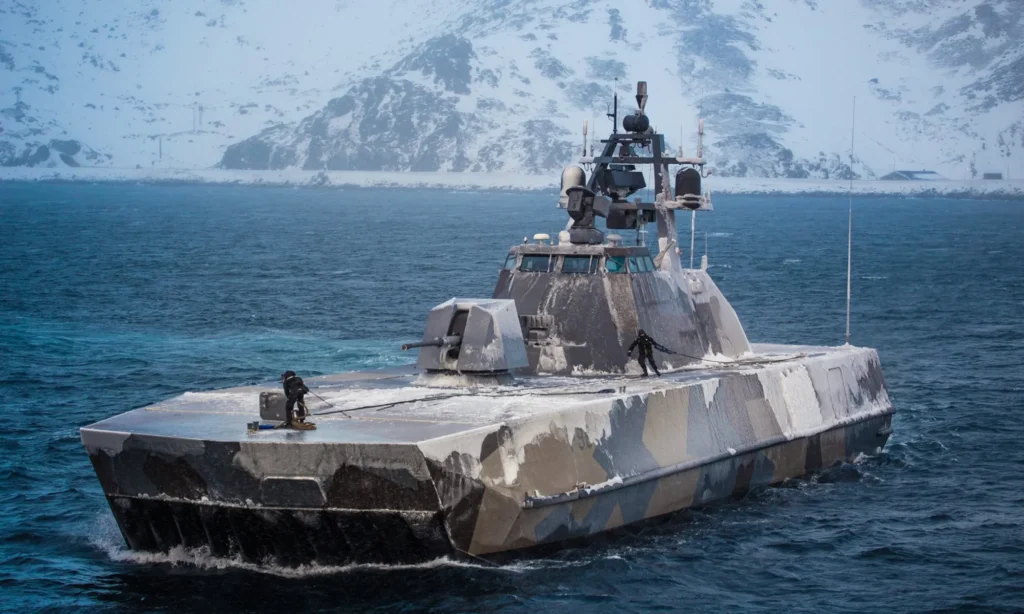
The Baltic Sea, with its shallow waters, intricate archipelagos, and strategic importance, is a unique theater for naval operations. For the navies of Baltic nations—Sweden, Finland, Estonia, Latvia, Lithuania, Poland, and others—fast attack boats (FABs) are not just vessels; they’re agile guardians of sovereignty, darting through coastal waters to protect borders, counter threats, and assert presence in a geopolitically charged region. Imagine a sleek, high-speed craft slicing through the waves, armed to the teeth, ready to outmaneuver larger adversaries in a heartbeat. That’s the essence of FABs, and their role in Baltic navies is both fascinating and critical. In this deep dive, we’ll explore why these boats matter, how they’re used, and what makes them indispensable in the Baltic’s complex maritime landscape. Let’s set sail into the world of fast attack boats.
What Are Fast Attack Boats, and Why Do They Matter in the Baltic?
Fast attack boats, often called fast attack craft (FACs), are small, agile naval vessels designed for speed, maneuverability, and firepower. Typically ranging from 20 to 50 meters in length, they’re built to operate in littoral (coastal) zones, where larger ships struggle. In the Baltic Sea, a semi-enclosed body of water with shallow depths and countless islands, FABs are perfect for rapid response, reconnaissance, and engaging enemies in confined spaces. Their ability to dart in and out of archipelagos, evade detection, and deliver precise strikes makes them a cornerstone of Baltic naval strategies.
The Baltic region has always been a hotspot for geopolitical tensions. With Russia’s Baltic Fleet based in Kaliningrad and NATO’s increasing presence, nations like Sweden and Finland rely on FABs to maintain territorial integrity. For example, during the Cold War, fast attack boats were critical for countering potential Soviet incursions. Today, they’re vital for addressing hybrid threats, such as unmanned drones or small-scale amphibious operations. According to Naval Technology, the demand for smaller, agile vessels has surged due to modern naval missions like counter-piracy and border protection, which align perfectly with the Baltic’s needs.
Picture this: a foggy morning off the coast of Estonia. A suspicious vessel approaches a key shipping lane. Before larger ships can respond, an Estonian fast attack boat, equipped with anti-ship missiles, is already on the scene, assessing the threat. This scenario underscores why FABs matter—they’re the first line of defense in a region where speed and stealth are everything.
The Evolution of Fast Attack Boats in the Baltic
The history of FABs in the Baltic is a story of adaptation and innovation. Post-World War II, Baltic navies inherited or acquired small, fast vessels from European allies. For instance, Estonia, Latvia, and Lithuania formed the Baltic Squadron (“Baltron”) in the 1990s with donated European ships, including patrol boats that laid the foundation for modern FABs USNI Proceedings. These early vessels were modest, often repurposed minesweepers or patrol craft, but they set the stage for today’s high-tech FABs.
Sweden’s CB90-class boats, now a global benchmark, emerged in the 1990s as a game-changer. With speeds exceeding 40 knots and modular designs for missiles, machine guns, or troop transport, the CB90 became a symbol of versatility. Finland’s Hamina-class fast attack craft, upgraded in the 2020s with torpedoes and advanced sensors, took this further, blending stealth with firepower for operations in icy, cluttered waters Naval News. These evolutions reflect a shift from basic patrol duties to multi-role platforms capable of anti-submarine warfare, surface combat, and even land-attack missions.
I recall visiting a naval base in Karlskrona, Sweden, where a CB90 was docked. The crew proudly showed off its compact radar and missile launchers, explaining how it could vanish into the archipelago in seconds. It was a reminder that in the Baltic, where every island could hide a threat, FABs are the navy’s equivalent of a Swiss Army knife.
Key Features of Baltic Fast Attack Boats
What makes FABs so effective in the Baltic? It’s all about design tailored to the region’s unique challenges. Here’s a breakdown of their defining features:
- Speed and Agility: FABs like the CB90 or Hamina-class can exceed 40 knots, allowing rapid response and evasion. Their shallow draught lets them navigate close to shorelines or through narrow channels.
- Stealth Technology: Modern FABs use radar-absorbing materials and low profiles to minimize detection. For example, Finland’s Hamina-class boasts a reduced radar cross-section, making it harder for enemies to lock on Kongsberg.
- Versatile Armament: From anti-ship missiles (like the Gabriel V on the Hamina-class) to remote-controlled weapon stations, FABs pack a punch despite their size. They can engage submarines, surface ships, or even land targets.
- Modularity: Many FABs are designed with modular systems, allowing quick reconfiguration for missions like troop transport, mine-laying, or reconnaissance. Sweden’s CB90, for instance, can switch from assault to patrol in hours Saab.
- Littoral Focus: Built for shallow waters, FABs thrive in the Baltic’s complex geography, where larger vessels risk running aground.
These features make FABs ideal for “hit-and-run” tactics, where they strike quickly and disappear before enemies can retaliate. In a region where Russia’s Kilo-class submarines and Bal missile systems pose constant threats, this agility is a strategic advantage The National Interest.
Comparing Baltic Fast Attack Boats
To understand the diversity of FABs in Baltic navies, let’s compare some key players in a table. This highlights how different nations tailor their vessels to specific needs.
| Vessel Class | Country | Length (m) | Speed (knots) | Key Armament | Unique Feature | Primary Role |
|---|---|---|---|---|---|---|
| CB90 | Sweden | 15.9 | 40+ | Hellfire missiles, 12.7mm machine guns | Modular design for multiple roles | Assault, patrol, troop transport |
| Hamina-class | Finland | 51 | 30+ | Gabriel V missiles, TP 47 torpedoes | Advanced sonar for anti-submarine warfare | Surface combat, ASW |
| Skrunda-class | Latvia | 25 | 20 | 12.7mm machine guns | Converted for command and control | Patrol, command support |
| Vidar-class | Lithuania | 56.8 | 12 | None (minesweeping focus) | Mine countermeasures support | Mine warfare, command |
This table shows the spectrum of FAB capabilities, from Sweden’s high-speed, multi-role CB90 to Latvia’s more specialized Skrunda-class. Finland’s Hamina-class stands out for its anti-submarine capabilities, critical in a region where Russian submarines are a constant concern Naval News.
Strategic Roles of Fast Attack Boats in Baltic Navies
Baltic navies deploy FABs in diverse roles, reflecting the region’s complex security environment. Here’s how they’re used:
- Territorial Defense: FABs patrol coastal waters to deter incursions and protect key infrastructure like ports and offshore platforms. Estonia’s small fleet, for instance, focuses on securing its maritime borders against smuggling or hybrid threats.
- Anti-Submarine Warfare (ASW): With Russia’s Kilo-class submarines lurking in the Baltic, FABs like the Hamina-class use advanced sonars and torpedoes to counter underwater threats Kongsberg.
- Asymmetric Warfare: In a conflict, FABs can conduct guerrilla-style operations, using speed and stealth to harass larger enemy ships. This was a key tactic during Cold War-era planning against Soviet fleets.
- Support for NATO Operations: Baltic nations, especially NATO members like Estonia and Lithuania, integrate FABs into joint exercises like BALTOPS, enhancing interoperability with allies NATO Maritime Command.
- Special Forces Operations: Vessels like the CB90 are ideal for inserting special forces into contested areas, as seen in Ukraine’s use of donated CB90s for raids in the Black Sea Army Recognition.
A personal anecdote: during a NATO exercise I observed off Gotland, Swedish CB90s simulated an amphibious assault, zipping past larger frigates with ease. The sight of these small boats outmaneuvering destroyers drove home their strategic value in asymmetric warfare.
Challenges and Limitations of Fast Attack Boats
While FABs are versatile, they’re not without challenges. Their small size limits endurance, often requiring frequent resupply. Harsh Baltic winters, with ice-covered waters, can also hamper operations, as seen with Finland’s Hamina-class, which sacrifices some ice-breaking capability for speed Naval News. Additionally, their reliance on advanced electronics makes them vulnerable to cyber-attacks or electronic warfare, a growing concern given Russia’s capabilities.
Another issue is cost. Upgrading vessels like the Hamina-class with new missiles and sonars is expensive, straining smaller navies like Latvia’s. During my visit to Karlskrona, a Swedish officer mentioned the delicate balance of maintaining FABs while funding larger projects like submarines. Finally, FABs are less effective in open-sea engagements, where larger ships dominate. This limits their role to coastal defense, making them a complement rather than a replacement for blue-water navies.
The Future of Fast Attack Boats in the Baltic
The future of FABs in the Baltic is bright, driven by technological advancements and evolving threats. Here are some trends to watch:
- Unmanned Systems Integration: Baltic navies are exploring unmanned surface vessels (USVs) to complement FABs. These drones can extend reconnaissance range or act as decoys, enhancing FAB survivability.
- Enhanced Firepower: New missiles like the Gabriel V offer greater range and precision, allowing FABs to engage targets at a distance IAI.
- Green Technology: Sweden is experimenting with hybrid propulsion for CB90s, reducing fuel consumption and emissions, aligning with the EU’s Blue Growth strategy HELCOM.
- Joint Operations: As Baltic states deepen NATO integration, FABs will play a larger role in multinational task forces, requiring standardized systems and training.
I envision a future where FABs operate in “swarms,” combining manned and unmanned vessels to overwhelm adversaries. This could redefine naval warfare in the Baltic, where numbers and coordination matter as much as raw power.
FAQ: Fast Attack Boats in the Baltic
Q: Why are fast attack boats so important for Baltic navies?
A: The Baltic Sea’s shallow waters and complex geography favor small, agile vessels. FABs provide rapid response, stealth, and versatility for tasks like territorial defense, anti-submarine warfare, and special operations, making them ideal for the region’s unique challenges.
Q: How do Baltic FABs compare to larger naval ships?
A: FABs excel in coastal environments due to their speed and maneuverability but lack the endurance and firepower of larger ships like frigates. They’re designed for quick, targeted missions rather than prolonged open-sea operations.
Q: Which Baltic nation has the most advanced FABs?
A: Sweden and Finland lead with the CB90 and Hamina-class, respectively. Both incorporate cutting-edge stealth, sensors, and weaponry, tailored for the Baltic’s littoral zones.
Q: Can FABs counter modern threats like drones or submarines?
A: Yes, modern FABs like the Hamina-class are equipped with advanced sonars and torpedoes for anti-submarine warfare. They can also integrate anti-drone systems, though electronic warfare remains a challenge.
Q: How do NATO exercises benefit Baltic FABs?
A: Exercises like BALTOPS enhance interoperability, allowing Baltic FABs to coordinate with NATO allies. This strengthens collective defense and ensures FABs can operate in multinational task forces.
Conclusion: The Unsung Heroes of the Baltic
Fast attack boats may not grab headlines like aircraft carriers or submarines, but in the Baltic Sea, they’re the unsung heroes of naval defense. Their speed, stealth, and versatility make them indispensable for nations navigating a region fraught with geopolitical tension. From Sweden’s CB90 darting through archipelagos to Finland’s Hamina-class hunting submarines, these vessels embody the Baltic’s unique blend of innovation and resilience. As I reflect on my time observing these boats in action, I’m struck by their ability to punch above their weight, turning small size into a strategic advantage.
For Baltic navies, the future lies in embracing new technologies—unmanned systems, hybrid propulsion, and advanced weaponry—while deepening NATO ties. Whether you’re a defense enthusiast or a policymaker, keeping an eye on FAB developments offers insights into the evolving nature of naval warfare. Next steps? Explore resources like Naval News or USNI Proceedings to stay updated, or consider attending a NATO exercise to witness these boats in action. The Baltic’s waves are alive with stories of speed and strategy—dive in and discover them.
Leave a Reply
You must be logged in to post a comment.