Patria 6×6 Production in Latvia 2025: A New Era for Defense Manufacturing
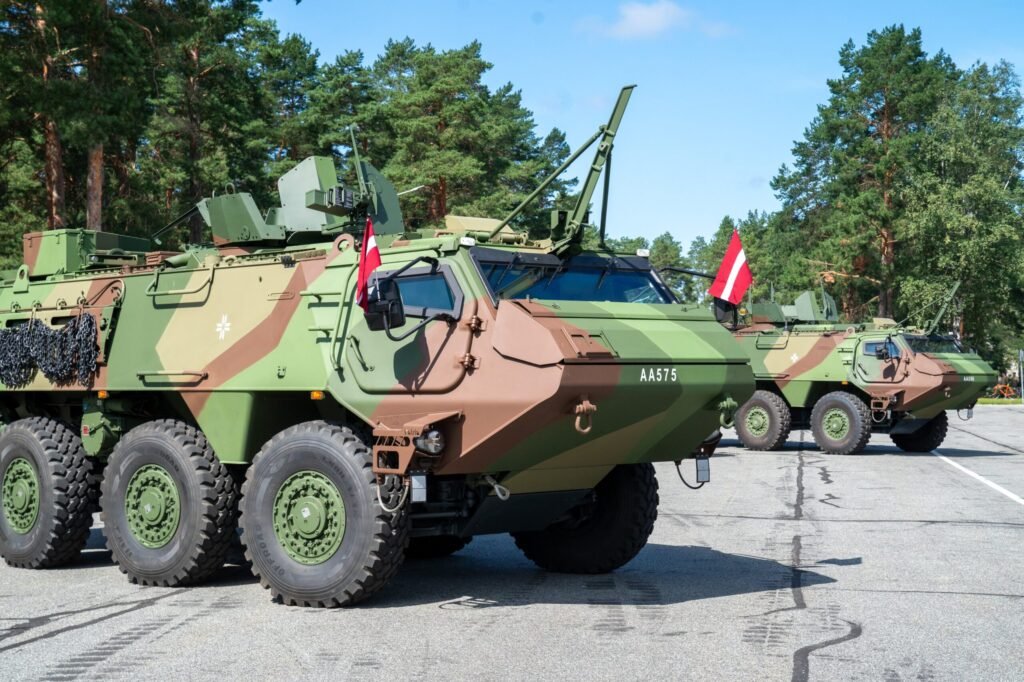
In the heart of the Baltic region, a small but ambitious nation is making waves in the global defense industry. Latvia, known for its lush forests and vibrant cultural heritage, has embarked on a transformative journey with the production of the Patria 6×6 armored personnel carrier in 2025. This isn’t just about building military vehicles; it’s a story of innovation, international collaboration, and a nation stepping up to meet modern security challenges. As I delved into this topic, I couldn’t help but imagine the hum of machinery in Valmiera, where skilled workers are crafting vehicles destined to protect lives and support allies like Ukraine. Let’s explore how Latvia’s production of the Patria 6×6 is reshaping its defense landscape and what it means for the future.
The Rise of Latvia’s Defense Industry
Latvia’s decision to produce the Patria 6×6 marks a pivotal moment for its defense sector. Historically, Latvia has relied on imports for military equipment, but the opening of a full-cycle production facility in Valmiera in May 2024 changed the game. This facility, operated by Defence Partnership Latvia—a joint venture between the Finnish defense giant Patria and the Latvian company Unitruck—represents a bold step toward self-reliance. I can almost picture the pride on the faces of local workers as they assemble these sophisticated machines, knowing their efforts contribute to national and regional security.
The Valmiera plant isn’t just a factory; it’s a symbol of Latvia’s growing industrial ambition. With a capacity to produce up to 30 vehicles annually, the facility is the only one of its kind in the Baltics, handling everything from hull manufacturing to final assembly. This move not only strengthens Latvia’s military capabilities but also boosts its economy by creating jobs and fostering technological expertise. According to Latvian Defense Minister Andris Sprūds, this initiative is about more than just vehicles—it’s about building a robust defense industry that can compete on the global stage.
What Makes the Patria 6×6 Special?
The Patria 6×6 is no ordinary armored vehicle. Designed by Finland’s Patria, a company with over a century of defense expertise, this six-wheeled beast combines versatility, mobility, and protection. As I researched its features, I was struck by how it balances cutting-edge technology with practical battlefield utility. Here’s what sets it apart:
- Modular Design: The Patria 6×6 can be configured for multiple roles, from troop transport to command and control or even medical evacuation. Its flexibility makes it a Swiss Army knife for modern militaries.
- Robust Protection: Meeting NATO’s STANAG 4569 standards, it offers protection against small arms fire, artillery fragments, and mines, ensuring safety for up to 10 fully equipped soldiers.
- Impressive Mobility: Powered by a Scania AB DC 09 diesel engine with 394 horsepower, it reaches speeds of over 100 km/h and has a 700 km range, making it ideal for long missions across diverse terrains.
- Amphibious Capability: With optional upgrades, it can navigate water, adding a tactical edge for operations in varied environments.
These features make the Patria 6×6 a standout choice for nations like Latvia and its allies in the Common Armoured Vehicle System (CAVS) program, which includes Finland, Sweden, and Germany. The vehicle’s adaptability and cost-effectiveness—priced at roughly €1–1.2 million per unit—make it a compelling option compared to pricier alternatives like the French Serval or Australian Bushmaster.
Latvia’s Role in the CAVS Program
The CAVS program is the backbone of Latvia’s Patria 6×6 production. Launched in 2020 by Finland and Latvia, this multinational initiative aims to develop a standardized armored vehicle system to enhance interoperability among European armed forces. Sweden and Germany later joined, with Germany entering the research and development phase in 2023. The program’s collaborative nature struck me as a brilliant example of how smaller nations can pool resources to achieve big results.
Latvia’s involvement began with a 2021 contract to procure over 200 Patria 6×6 vehicles by 2029, with deliveries starting in October 2021. The November 2024 order for 56 additional command and control variants further solidified Latvia’s commitment. By producing these vehicles locally, Latvia ensures a secure supply chain and reduces reliance on foreign suppliers—a critical factor in today’s volatile geopolitical climate. The Valmiera facility’s role in this program highlights Latvia’s strategic importance in European defense, and I can’t help but admire how a nation of just 1.9 million people is punching above its weight.
Supporting Ukraine: A Humanitarian and Strategic Mission
One of the most compelling aspects of Latvia’s Patria 6×6 production in 2025 is its support for Ukraine. As I read about Latvia’s commitment to deliver 42 vehicles to the Ukrainian Armed Forces, I felt a surge of respect for this small nation’s solidarity. Announced in September 2024 and confirmed in February 2025, this initiative is part of a €40 million military aid package to bolster Ukraine’s defense against Russia’s ongoing invasion. The first batch is already being assembled in Valmiera, with deliveries expected by year’s end.
The Ukrainian ambassador to Latvia, Anatolii Kutsevol, visited the Valmiera plant in February 2025 to witness the production process firsthand. His presence underscored the deep ties between Latvia and Ukraine, both of which share a history of navigating security challenges in Russia’s shadow. Latvian Defense Minister Andris Sprūds emphasized that supplying these vehicles serves a dual purpose: supporting Ukraine and testing the Patria 6×6 in real combat conditions, providing valuable data for future improvements. This strategic move not only aids an ally but also positions Latvia as a key player in European security.
The Economic and Social Impact on Latvia
The Valmiera facility is more than a production line; it’s a catalyst for economic growth. As I explored this angle, I imagined the ripple effects on local communities—new jobs, better wages, and a sense of purpose. The plant, which employs skilled workers trained in Finland, is expected to produce around 30 vehicles annually, with local companies like EMJ Metāls SIA manufacturing components such as hulls and chassis. This localization reduces costs and strengthens Latvia’s industrial base.
Beyond economics, the project fosters national pride. Uģis Romanovs, Chairman of Defence Partnership Latvia, noted that the facility’s opening in May 2024 marked a “development breakthrough” for the Latvian defense industry. For a country that lacked experience in armored vehicle production just a few years ago, this is a remarkable achievement. The collaboration with Patria also brings technology transfer and expertise, setting the stage for future defense projects. It’s heartening to think of young engineers in Valmiera learning skills that could shape Latvia’s technological future.
Challenges and Opportunities
No endeavor of this scale is without challenges. Building a defense industry from scratch in a country with limited prior experience is no small feat. As I reflected on this, I considered the hurdles Latvia faced:
- Skill Development: Training a workforce to handle complex manufacturing processes required significant investment and time. Latvian workers underwent extensive training in Finland to meet Patria’s quality standards.
- Financial Constraints: Defence Partnership Latvia faced financial challenges early on, yet it has met production targets, showcasing resilience.
- Geopolitical Risks: Producing vehicles for Ukraine in a region close to Russia carries strategic risks, requiring robust security measures.
Despite these challenges, the opportunities are immense. The Valmiera plant positions Latvia as a hub for defense manufacturing in the Baltics, potentially attracting further investment. The CAVS program’s openness to other European nations could lead to additional contracts, and the combat-tested performance of the Patria 6×6 in Ukraine may boost its global appeal. I can’t help but feel optimistic about Latvia’s trajectory as it carves out a niche in a competitive industry.
Comparison Table: Patria 6×6 vs. Other APCs
To put the Patria 6×6 in context, let’s compare it to other popular armored personnel carriers. This table highlights key differences and similarities, helping readers understand its unique value.
Armored Personnel Carrier Comparison
| Feature | Patria 6×6 | French Serval | Australian Bushmaster |
|---|---|---|---|
| Wheel Configuration | 6×6 | 4×4 | 4×4 |
| Crew + Passengers | 2–3 + 8–10 | 2 + 8 | 1 + 9 |
| Max Speed | 100 km/h | 110 km/h | 100 km/h |
| Range | 700 km | 600 km | 800 km |
| Protection Level | STANAG 4569 (K2–K4, M2a/b–M4a/b) | STANAG 4569 Level 2 | STANAG 4569 Level 1–3 |
| Price (Approx.) | €1–1.2 million | €1–1.5 million | €1–1.2 million |
| Modular Design | Yes, supports multiple roles | Limited modularity | Moderate modularity |
| Amphibious Capability | Optional | No | No |
| Primary Users | Latvia, Finland, Sweden, Ukraine | France | Australia, Netherlands, UK |
The Patria 6×6 stands out for its modular design and amphibious potential, offering versatility at a competitive price. While the Serval is faster and the Bushmaster has a longer range, the Patria’s balance of features makes it a strong contender for modern militaries.
The Future of Patria 6×6 Production in Latvia
Looking ahead, Latvia’s production of the Patria 6×6 could reshape its role in global defense. The Valmiera facility’s capacity to produce 30 vehicles annually is just the beginning. With Patria receiving orders for nearly 700 vehicles across the CAVS program, Latvia could become a key supplier for other European nations. The combat experience gained in Ukraine will likely enhance the vehicle’s reputation, potentially attracting interest from countries beyond the current CAVS members.
Moreover, the technology transfer from Patria to Latvia opens doors for future innovation. Could Latvia develop its own vehicle variants or expand into other defense technologies? The possibilities are exciting. As I envision the future, I see Valmiera’s plant buzzing with activity, perhaps even producing components for next-generation vehicles or drones. Latvia’s strategic location in the Baltics also makes it an ideal hub for supplying NATO allies, reinforcing its geopolitical significance.
FAQ: Everything You Need to Know About Patria 6×6 Production in Latvia
Q: Why did Latvia choose the Patria 6×6 for production?
A: Latvia selected the Patria 6×6 for its versatility, cost-effectiveness, and alignment with the CAVS program’s goal of standardizing equipment across European allies. Its modular design and robust protection make it ideal for modern warfare, while local production boosts Latvia’s economy and security.
Q: How does the Valmiera facility contribute to Latvia’s economy?
A: The facility creates jobs, fosters technological expertise, and attracts investment. Local companies like EMJ Metāls SIA produce components, reducing reliance on foreign suppliers and strengthening the domestic supply chain.
Q: What role does the Patria 6×6 play in supporting Ukraine?
A: Latvia is producing 42 Patria 6×6 vehicles for Ukraine in 2025 as part of a €40 million aid package. These vehicles will enhance Ukraine’s armored capabilities, with deliveries expected by year’s end.
Q: How does the CAVS program benefit Latvia?
A: The CAVS program provides Latvia with access to advanced technology, shared research, and interoperability with allies like Finland, Sweden, and Germany. It also positions Latvia as a key player in European defense manufacturing.
Q: Are there plans to expand production beyond the current capacity?
A: While the Valmiera plant is designed for 30 vehicles annually, Patria’s investment in facilities like Hämeenlinna suggests potential for scaling up if demand grows. Latvia could also explore producing other defense equipment.
Conclusion: Latvia’s Bold Leap Forward
As I reflect on Latvia’s journey with the Patria 6×6, I’m struck by the audacity of a small nation taking on such a significant role in global defense. The Valmiera facility isn’t just assembling vehicles; it’s building a legacy of resilience, innovation, and solidarity. From supporting Ukraine to strengthening NATO’s eastern flank, Latvia is proving that size doesn’t limit ambition. The Patria 6×6, with its blend of versatility and durability, embodies this spirit—a vehicle designed to protect and empower.
For readers interested in defense, technology, or geopolitics, Latvia’s story offers valuable lessons. It shows how collaboration, like the CAVS program, can amplify capabilities. It highlights the importance of local production in securing supply chains. And it reminds us that even in turbulent times, nations can rise to meet challenges with determination and ingenuity.
If you’re curious to learn more, consider following updates from Patria’s official site or exploring defense news on platforms like Army Recognition. Whether you’re a military enthusiast or simply intrigued by Latvia’s transformation, the Patria 6×6 production in 2025 is a story worth watching. What’s next for Latvia? Only time will tell, but one thing is clear: this Baltic nation is driving toward a stronger, more secure future.
Leave a Reply
You must be logged in to post a comment.