Lithuania’s Drone Surveillance Programs: A Deep Dive into Innovation, Security, and Ethics
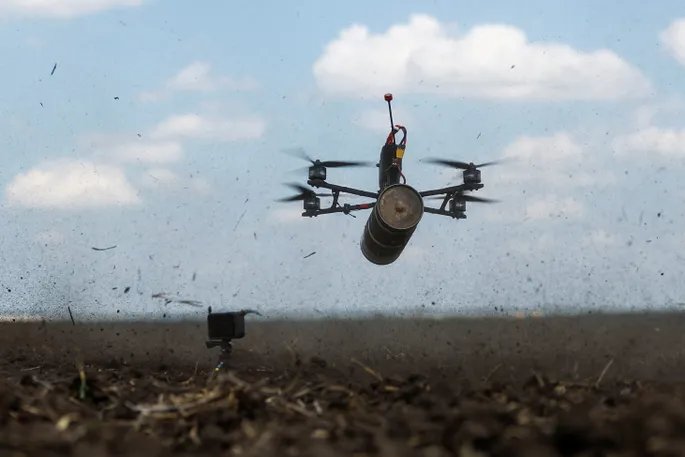
Imagine standing atop a hill in Vilnius, gazing out over the Lithuanian landscape. It’s a country known for its rich history, lush forests, and modern innovations. But beneath its serene surface lies a fascinating story of how Lithuania harnesses drone technology for surveillance—balancing national security, technological advancement, and privacy concerns. Today, we’ll explore this captivating topic in depth, uncovering how Lithuania’s drone surveillance programs are shaping the country’s future and what it means for the world.
The Rise of Drone Technology in Lithuania: A Brief Historical Context
Lithuania, like many countries in Eastern Europe, has rapidly adopted drone technology over the last decade. Initially used for agriculture, environmental monitoring, and disaster management, drones have evolved into critical tools for national security and border control. According to reports from the European Defence Agency, drone technology is considered a strategic asset for EU member states, offering a cost-effective way to enhance surveillance capabilities.
In Lithuania’s case, the country’s geographical position—bordering Russia’s Kaliningrad exclave and Belarus—makes surveillance especially vital. The country’s government recognized early on that drones could serve as a force multiplier, providing real-time intelligence without the need for costly manned aircraft or extensive ground patrols. This shift aligns with Lithuania’s broader strategy to modernize its defense infrastructure, supported by NATO partnerships and EU funding.
Understanding Lithuania’s Drone Surveillance Programs
Types of Drones in Use
Lithuania’s drone programs include a mix of small, tactical quadcopters for reconnaissance and larger, fixed-wing drones for border patrols. These drones are equipped with high-resolution cameras, infrared sensors, and even signal interception devices, allowing authorities to monitor activity along borders and critical infrastructure.
Key Agencies and Their Roles
- Lithuanian Border Guard Service: The primary agency responsible for border surveillance, employing drones to detect illegal crossings, smuggling, and unauthorized drone activity.
- Lithuanian Armed Forces: Use military-grade drones for national defense, border security, and training exercises.
- Civilian Agencies: Drones are also used for environmental monitoring, disaster response, and infrastructure inspections.
Drone Technology Providers
Lithuania partners with European and international drone manufacturers, including companies based in Estonia, Poland, and Germany. These partnerships ensure access to the latest drone tech, such as AI-powered image analysis and autonomous flight capabilities.
The Strategic Objectives Behind Lithuania’s Drone Surveillance
Lithuania’s drone programs serve several strategic goals:
- Border Security: Drones provide real-time surveillance along borders, especially in remote or difficult terrains where traditional patrols are less effective.
- Countering Threats: Detecting unauthorized drone incursions, such as potential espionage or smuggling activities.
- Enhancing NATO Defense: Drones act as force multipliers, contributing to collective security efforts.
- Environmental and Infrastructure Monitoring: Keeping tabs on forests, pipelines, and infrastructure to prevent accidents or sabotage.
Real-World Examples
In 2021, Lithuanian authorities intercepted a drone carrying suspicious cargo near the border with Belarus, highlighting the importance of aerial surveillance in preventing illicit activities. Similarly, during NATO exercises, drones provided live feeds to commanders, enhancing situational awareness.
Ethical, Privacy, and Legal Dimensions
While drone technology offers undeniable benefits, it also raises critical questions about privacy, civil liberties, and legal regulation. Lithuania has been navigating this complex landscape, aligning its policies with European Union directives on data protection and privacy.
The General Data Protection Regulation (GDPR) plays a vital role here, imposing strict rules on data collection and surveillance activities. Lithuanian authorities emphasize transparency and accountability, ensuring drone use complies with national and EU laws.
However, concerns persist about potential misuse or overreach. Civil society organizations advocate for clear oversight mechanisms and public consultations to balance security needs with individual rights.
Technical Challenges and Limitations
Despite technological advancements, Lithuania’s drone programs face obstacles:
- Weather Conditions: Lithuania’s cold winters and frequent rain can hinder drone operations.
- Battery Life: Limited flight durations restrict long-term surveillance missions.
- Signal Interference: Potential jamming or hacking of drone communications poses security risks.
- Cost: Maintaining high-tech drone fleets requires ongoing investment.
Addressing these challenges involves continuous innovation, such as developing drones with extended endurance, better resistance to weather, and secure communication protocols.
Future Prospects: What’s Next for Lithuania’s Drone Surveillance?
Looking ahead, Lithuania aims to expand its drone capabilities:
- Integration of AI and Machine Learning: Automating threat detection and data analysis to improve response times.
- Swarm Drone Systems: Deploying coordinated drone fleets for broader coverage.
- Public-Private Partnerships: Encouraging collaboration with tech startups to foster innovation.
- International Cooperation: Sharing intelligence and technology with allies, particularly within NATO.
The government is also exploring ethical frameworks to ensure responsible drone use, aligning with international standards from organizations like the International Telecommunication Union.
Comparing Lithuania’s Drone Surveillance Programs: Key Points at a Glance
| Aspect | Lithuania’s Approach | Other European Countries | Global Benchmarks |
|---|---|---|---|
| Main Use Cases | Border security, environmental monitoring, defense | Border control, disaster response, urban surveillance | Military, commercial, humanitarian applications |
| Technology Level | Advanced, AI integration, high-res sensors | Varies; some countries lag in AI integration | Leading in AI-powered autonomous drones |
| Legal Framework | EU GDPR aligned, transparent oversight | Varies; some with less regulation | Increasing focus on regulation globally |
| International Collaboration | NATO partnerships, EU-funded programs | Active partnerships across Europe | Growing international drone alliances |
| Public Transparency | Public reports, civil oversight mechanisms | Mixed; some countries lack transparency | Improving transparency standards |
FAQs About Lithuania’s Drone Surveillance Programs
Q1: Are drones in Lithuania used for civilian purposes besides security?
Yes, Lithuania actively employs drones for environmental monitoring, disaster management, and infrastructure inspections, which are crucial for sustainable development and emergency responses.
Q2: How does Lithuania ensure privacy rights are protected?
Lithuania adheres to GDPR, implementing strict data collection and storage protocols. Oversight bodies and public consultations help maintain transparency and accountability.
Q3: What are the risks of drone hacking or hacking?
Drones are susceptible to signal jamming, hacking, and interference. Lithuania invests in secure communication channels and cybersecurity measures to mitigate these risks.
Q4: Can citizens fly drones for recreational purposes in Lithuania?
Yes, but they must comply with national drone regulations, including registration, altitude limits, and no-fly zones near sensitive sites.
Q5: How does Lithuania’s drone use compare with NATO standards?
Lithuania’s drone programs align well with NATO standards, emphasizing interoperability, security, and ethical use, ensuring seamless collaboration with allied nations.
Final Reflections: The Broader Implications
Lithuania’s embrace of drone surveillance exemplifies a broader global trend where technology becomes a double-edged sword—offering enhanced security and efficiency but also raising ethical and privacy concerns. As Lithuania continues to innovate, it serves as a microcosm for how small nations can leverage cutting-edge technology responsibly.
For citizens, policymakers, and tech enthusiasts alike, the key takeaway is the importance of striking a balance—maximizing the benefits of drone technology while safeguarding fundamental rights. As we look toward the future, Lithuania’s example encourages us to think critically about how technology can serve society ethically and sustainably.
Whether you’re a security professional, a tech enthusiast, or simply curious about the future, understanding Lithuania’s drone programs offers valuable insights into the evolving landscape of surveillance, innovation, and international cooperation. The journey is ongoing, and it’s one that will undoubtedly shape the security paradigms of tomorrow.
Next steps? Stay informed about developments in drone technology, support policies promoting responsible use, and engage in conversations about balancing innovation with privacy. Because in the rapidly changing world of surveillance, informed citizens are the best defense against misuse and overreach.
Leave a Reply
You must be logged in to post a comment.