Lithuanian Navy’s Perkūnas Patrol Boats: A New Era for Baltic Maritime Security
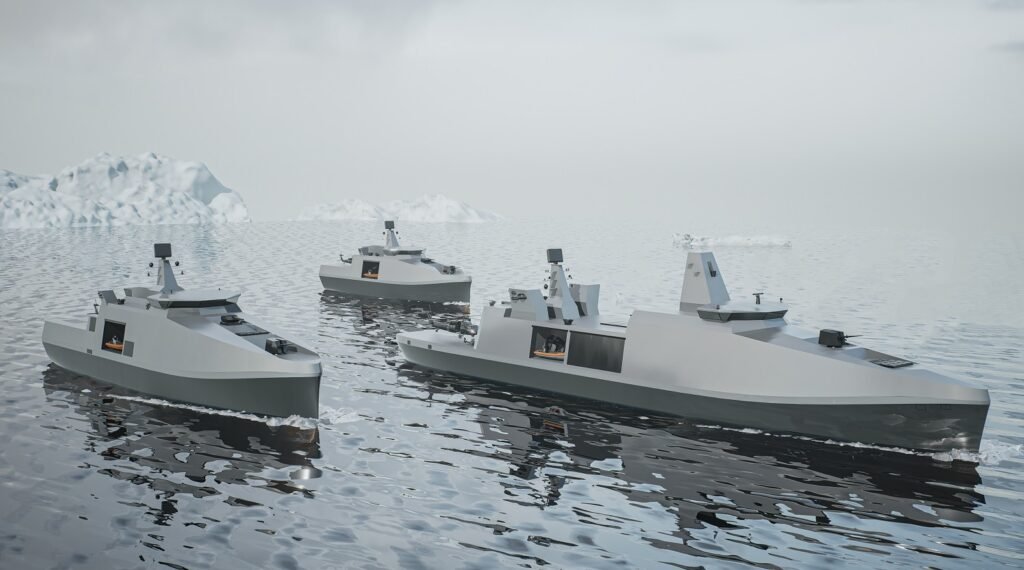
The Baltic Sea, a shimmering expanse of water nestled between Scandinavia, Eastern Europe, and Russia, has always been more than just a body of water. It’s a geopolitical chessboard, a vital trade route, and a lifeline for nations like Lithuania, whose coastline, though modest at just 90 kilometers, carries outsized strategic importance. In 2025, the Lithuanian Navy is making waves—quite literally—with the unveiling of its ambitious Perkūnas (Thunder) class patrol boats. These vessels, designed by local shipbuilder Western Baltic Engineering in collaboration with Denmark’s OSK Design, represent a bold leap forward in Lithuania’s maritime defense strategy. As tensions simmer in the Baltic region, from hybrid threats to critical infrastructure vulnerabilities, these boats are set to become a cornerstone of Lithuania’s naval capabilities. Let’s dive into the story of the Perkūnas patrol boats, exploring their design, significance, and what they mean for the future of the Baltic Sea.
A Personal Connection to the Baltic
Growing up near the Baltic coast, I remember summer days spent watching fishing boats bob gently against the horizon, their silhouettes dwarfed by the vastness of the sea. But the Baltic is no tranquil playground—it’s a region where history and geopolitics collide. From World War II mines still littering the seabed to recent incidents involving damaged underwater cables, the need for robust maritime security has never been clearer. When I first heard about the Perkūnas project, I was intrigued. Could these new patrol boats really help a small nation like Lithuania punch above its weight in such a contested region? Let’s unpack the details.
The Birth of the Perkūnas Project
The Perkūnas patrol boats, named after the Lithuanian god of thunder, symbolize strength and resilience—qualities Lithuania is keen to project in its naval modernization efforts. Announced in January 2025, the project is a collaboration between Western Baltic Engineering and OSK Design, marking a significant milestone for Lithuania’s maritime industry. According to Naval Today, the boats are designed to incorporate “state-of-the-art technologies” for critical infrastructure protection and specialized operations. This isn’t just about building ships; it’s about asserting sovereignty and fostering economic growth through local innovation.
The project’s roots trace back to Lithuania’s strategic need to modernize its aging fleet, much of which consists of second-hand vessels like the Flyvefisken-class patrol boats acquired from Denmark in the 2000s. With increasing threats in the Baltic—think Russian shadow fleets and mysterious cable disruptions—Lithuania needed vessels that could handle diverse missions, from reconnaissance to counter-terrorism. The Perkūnas boats are the answer, blending cutting-edge design with local expertise.
Design and Capabilities: What Makes Perkūnas Unique?
The Perkūnas patrol boats are no ordinary vessels. At 88 meters long with a 17-meter beam and a 4.5-meter draft, they’re built to navigate both shallow coastal waters and deeper seas. Powered by a 6-megawatt engine, they can exceed 18 knots (33 km/h), offering the speed needed for rapid response. Their crew capacity of 30 to 60 personnel allows flexibility for various missions, from routine patrols to complex operations involving special forces.
Key features include:
- Advanced Armament: Equipped with a naval gun and an anti-aircraft module (potentially resembling the Skyranger 35), these boats are ready for multi-domain threats.
- Helicopter Deck and Hangar: A stern landing pad supports helicopter operations, crucial for surveillance and rapid deployment.
- Small Boat Launch Facilities: Onboard hangars enable the deployment of fast boats for boarding or rescue missions.
- Reconnaissance and Mine Countermeasures: The vessels can conduct intelligence-gathering and mine-clearing operations, addressing the Baltic’s lingering WWII mine threats.
These features make the Perkūnas boats versatile workhorses, capable of everything from protecting underwater cables to supporting NATO exercises like BALTOPS.
The Strategic Context: Why Now?
The Baltic Sea is a hotspot for hybrid warfare. Since Russia’s invasion of Ukraine in 2022, incidents like the sabotage of undersea cables have raised alarms across NATO. Lithuania, with its proximity to Russia’s Kaliningrad exclave, is on the front lines. As The Moscow Times reported, Lithuanian Navy vessels like the Jotvingis are already patrolling for Russian “ghost fleets” suspected of hybrid activities. The Perkūnas boats will enhance these efforts, offering advanced radar systems and the ability to deploy drones for seabed inspections.
Lithuania’s naval strategy is also shaped by its NATO membership. The country’s fleet, though small, plays a critical role in collective defense, participating in exercises and mine-clearing operations. The Perkūnas project aligns with Vilnius’ goal of reducing reliance on foreign-built ships while boosting local industry. By building these vessels at the Western Shipyard Group in Klaipėda, Lithuania is investing in its economy and technological sovereignty.
A Collaborative Effort: Local and International Expertise
What makes the Perkūnas project stand out is its blend of local and international talent. Western Baltic Engineering, a key player in Lithuania’s maritime cluster, partnered with OSK Design to leverage Danish expertise in naval architecture. This collaboration, as noted by Naval News, extends beyond Lithuania, involving maritime clusters in Latvia and Estonia to strengthen regional security. The project also involves academic institutions, showcasing Lithuania’s growing technical capabilities.
This cooperative approach isn’t just about building boats—it’s about fostering innovation. By involving local shipyards, the project creates jobs and builds expertise that could position Lithuania as a hub for maritime technology in the Baltic region. It’s a win-win: enhanced security and economic growth.
Comparison: Perkūnas vs. Other Baltic Patrol Vessels
To understand the Perkūnas boats’ significance, let’s compare them to other patrol vessels in the Baltic region. The table below highlights key differences and similarities.
Baltic Patrol Vessels: A Comparative Glance
| Vessel Class | Country | Length | Speed | Crew | Key Features | Primary Role |
|---|---|---|---|---|---|---|
| Perkūnas (Thunder) | Lithuania | 88m | 18+ knots | 30-60 | Naval gun, anti-air module, helicopter deck | Multi-role (patrol, reconnaissance) |
| Skrunda (SWATH) | Latvia | ~25m | 20+ knots | ~10 | 35mm Oerlikon gun, modular design | Coastal patrol, anti-surface |
| Raptor | Russia | 16.9m | 50 knots | 3 | 14.5mm machine gun, armored | High-speed coastal patrol |
| Watercat M18 | Lithuania/Latvia | 20m | 35 knots | ~10 | SPIKE NLOS missiles, remote machine guns | Fast attack, troop transport |
The Perkūnas boats stand out for their size and versatility, dwarfing smaller vessels like the Raptor and Watercat M18. While Latvia’s Skrunda-class focuses on coastal defense, Perkūnas is designed for broader missions, including deep-water operations and infrastructure protection. This makes it a game-changer for Lithuania’s navy.
Challenges and Opportunities
Building a new class of patrol boats isn’t without challenges. For one, this is Western Baltic Engineering’s first major naval project, a significant leap for a company more accustomed to commercial shipbuilding. The collaboration with OSK Design mitigates some risks, but integrating complex systems like radar and weaponry requires precision. Budget constraints are another hurdle—Lithuania’s defense spending, while increasing, is modest compared to larger NATO allies.
Yet, the opportunities are immense. The Perkūnas project could catalyze Lithuania’s maritime industry, attracting investment and fostering innovation. It also strengthens Lithuania’s role in NATO, potentially leading to more joint projects with allies like Denmark and Finland. As Army Recognition notes, the boats’ design reflects Lithuania’s ability to integrate international expertise, a model that could be replicated across the region.
The Human Element: Stories from the Deck
Imagine being a sailor aboard a Perkūnas patrol boat, scanning the foggy Baltic horizon for signs of a shadow fleet. The tension is palpable—your radar pings a suspicious vessel, and you prepare to deploy a drone to inspect an underwater cable. This isn’t just a job; it’s a mission to protect your nation’s lifeline. During a recent NATO exercise near Klaipėda, I spoke with a Lithuanian sailor who described the pride of serving on modern vessels. “We’re not just patrolling,” he said. “We’re sending a message: Lithuania is ready.”
The Perkūnas boats will also reduce crew fatigue, a critical factor in long patrols. With berthing for up to 60 personnel and advanced systems to enhance situational awareness, these vessels prioritize sailor comfort and effectiveness. This human-centric design reflects lessons learned from older vessels like the Flyvefisken-class, which, while capable, were aging and less crew-friendly.
The Bigger Picture: Baltic Security and Beyond
The Perkūnas project is part of a broader trend of Baltic nations bolstering their navies. Latvia is upgrading its Skrunda-class vessels, while Estonia has invested in unmanned systems. Meanwhile, Russia’s Baltic Fleet, based in Kaliningrad, remains a formidable presence, with new ships like the Vladimir Andreev landing vessel launched in 2025, as reported by GlobalSecurity.org. The Perkūnas boats, with their advanced capabilities, help level the playing field, ensuring Lithuania can deter threats and protect critical infrastructure like the NordBalt power cable.
Beyond security, the project has economic ripple effects. By building the boats locally, Lithuania is creating jobs and fostering a maritime cluster that could compete globally. This aligns with the country’s broader goal of technological self-reliance, a theme echoed in its recent acquisition of Leopard 2 tanks and cooperation with Germany’s Bundeswehr.
FAQ: Everything You Need to Know About the Perkūnas Patrol Boats
Q: What is the purpose of the Perkūnas patrol boats?
A: The Perkūnas boats are designed for multi-role missions, including patrolling Lithuania’s territorial waters, protecting critical infrastructure, conducting reconnaissance, and supporting NATO operations. They’re built to address modern threats like hybrid warfare and underwater sabotage.
Q: How do they compare to Lithuania’s existing fleet?
A: Unlike the aging Flyvefisken-class vessels, Perkūnas boats are larger, faster, and equipped with advanced technologies like radar systems and helicopter decks, making them more versatile and future-proof.
Q: When will the boats be operational?
A: While exact timelines are unclear, the design phase was unveiled in January 2025, with construction expected to proceed at Western Shipyard in Klaipėda. Delivery is likely by 2030, based on similar projects.
Q: How do they fit into NATO’s strategy?
A: The boats enhance Lithuania’s contribution to NATO’s Baltic Sentinel operation, focusing on deterring hybrid threats and ensuring maritime security in the Baltic Sea.
Q: Are they cost-effective for a small nation like Lithuania?
A: While costly, the project boosts local industry and reduces reliance on foreign vessels, offering long-term economic and strategic benefits.
Q: Can they counter Russia’s Baltic Fleet?
A: While not a direct match for Russia’s larger ships, Perkūnas boats are designed for asymmetric warfare, leveraging speed, versatility, and advanced systems to deter threats.
Conclusion: A Thunderous Step Forward
The Perkūnas patrol boats are more than just ships—they’re a symbol of Lithuania’s ambition, resilience, and commitment to safeguarding its corner of the Baltic Sea. As I reflect on those childhood days by the coast, I’m struck by how much has changed. The Baltic is no longer just a backdrop for fishing boats; it’s a theater of modern warfare, where nations like Lithuania must navigate complex threats with limited resources. The Perkūnas project, with its blend of local innovation and international collaboration, shows that even a small nation can make a big impact.
For readers interested in maritime security, keep an eye on Lithuania’s progress. Follow updates from sources like The Defense Post or Naval News to stay informed about the Perkūnas boats’ development. If you’re in Klaipėda, visit the port to see the Navy’s operations firsthand—it’s a reminder of the human effort behind these technological marvels. As Lithuania prepares to launch these vessels, the Baltic Sea is set to hear the thunder of a new era in maritime defense.
Leave a Reply
You must be logged in to post a comment.