Latvia Air Force Training Exercises 2025: Strengthening NATO’s Eastern Flank
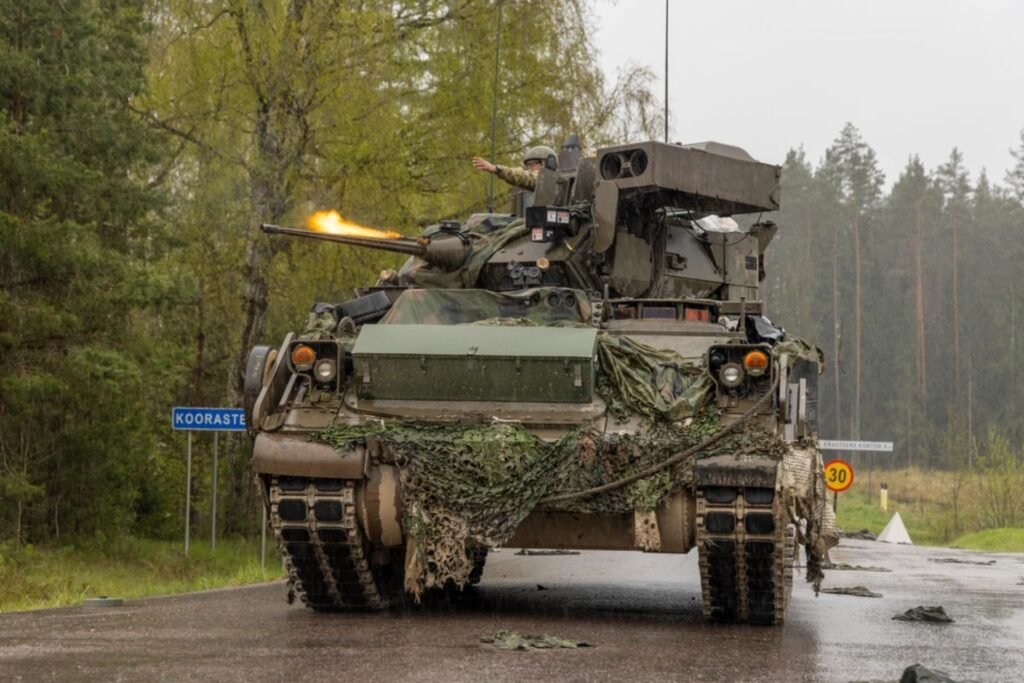
In the crisp spring air of Latvia, the skies hum with the roar of fighter jets, and the ground vibrates with the disciplined march of troops. It’s May 2025, and the Latvian Air Force, alongside NATO allies, is conducting a series of high-stakes training exercises that showcase the Baltic nation’s commitment to regional security. As someone who’s always been fascinated by the intricate dance of military strategy, I imagined standing on the edge of the Ādaži Training Ground, watching NATO’s finest hone their skills in a display of unity and strength. Latvia, a small but geopolitically significant country on NATO’s eastern flank, has become a hub for these exercises, reflecting its critical role in deterring potential threats in an increasingly volatile world. This blog post dives deep into the Latvia Air Force training exercises of 2025, exploring their purpose, execution, and impact through storytelling, expert insights, and practical takeaways for those curious about military strategy and international cooperation.
Why Latvia’s Air Force Exercises Matter in 2025
Latvia, nestled between Estonia and Lithuania, shares a border with Russia, making it a frontline state in NATO’s defense architecture. Since Russia’s invasion of Ukraine in 2022, the Baltic region has been under intense scrutiny, with NATO bolstering its presence to deter aggression. The Latvian National Armed Forces play a pivotal role in this strategy, and their 2025 training exercises are a testament to their readiness. These exercises aren’t just about flexing military muscle; they’re about building interoperability, testing new technologies, and ensuring that Latvia and its allies can respond swiftly to any threat. Picture a squadron of Spanish NASAMS systems deployed near Riga’s hydroelectric power plant, working in tandem with Latvian RBS-70 units—a scene from the “Latvian Shield 25” exercise that underscores the real-world stakes of these drills.
The exercises also reflect Latvia’s growing military sophistication. With a modest but modernizing air force, Latvia relies heavily on NATO partners for air defense, as it lacks its own fighter jets. Instead, it focuses on ground-based air defense systems and integration with allied air forces, such as Sweden’s Gripen jets or U.S. F-35s. This cooperative approach, as highlighted by NATO’s official website, ensures that Latvia’s skies remain secure, even in the face of potential threats like Russia’s Iskander missiles, which could target the Baltics from Kaliningrad. The 2025 exercises are a loud and clear message: Latvia, with NATO’s backing, is prepared.
A Closer Look at Key 2025 Exercises
Latvia’s 2025 military calendar is packed with multinational exercises, many of which involve the Air Force or have significant air components. Let’s break down the major ones, drawing from recent reports and firsthand accounts from military enthusiasts on the ground.
Latvian Shield 25: Defending Critical Infrastructure
From May 26 to 28, 2025, the “Latvian Shield 25” exercise took place in the regions of Ķegums, Salaspils, and Ķekava, focusing on air defense cooperation. Organized by the Latvian National Armed Forces Air Force, this drill simulated an attack on critical infrastructure, specifically the Riga Hydroelectric Power Plant. For the first time, Spanish units deployed medium-range NASAMS air defense systems outside the Lielvārde military base, a milestone in Latvia’s defense strategy. As reported by Latvia’s Ministry of Defence, the exercise involved Latvian short-range RBS-70 systems and aimed to enhance interoperability with NATO allies. Imagine the tension as Spanish and Latvian troops coordinated in real-time, tracking simulated threats in the sky while civilians nearby marveled at the precision of NATO’s air defense network.
This exercise wasn’t just about technical prowess; it was a public demonstration of Latvia’s readiness. By conducting drills outside military bases, the Latvian Air Force showed its ability to protect civilian infrastructure, boosting public confidence. Posts on X captured the sentiment, with users like @Latvijas_armija sharing images of NASAMS systems in action, emphasizing NATO’s “Stronger Together” ethos.
Ramstein Flag 25: NATO’s Air Power Showcase
Another cornerstone of 2025 was “Ramstein Flag 25,” a massive NATO air exercise involving 91 aircraft from 15 member states, including Sweden as a full NATO member for the first time. Held in April, this two-week exercise, covered by The Moscow Times, focused on collective responses to potential attacks on NATO territory. For Latvia, it meant integrating with allied air forces to counter threats like kamikaze drones, a tactic learned from the Ukraine conflict. The exercise wasn’t held in Latvia but had significant implications for the Baltic region, as it tested NATO’s ability to defend against missile threats from Kaliningrad or Belarus.
I can’t help but picture a young Latvian airman watching a Swedish Gripen jet scream overhead, knowing that this interoperability could one day save his homeland. The exercise also highlighted Latvia’s role in NATO’s broader air defense strategy, with lessons from Ramstein Flag feeding into local drills like Latvian Shield.
Swift Response 25: Rapid Deployment in the Baltics
While primarily a U.S.-led exercise, “Swift Response 25” had a strong Latvian component, with airlift rehearsals and counter-landing operations. According to The Defense Post, the exercise began in mid-May with simulations of airborne attacks, involving 1,700 U.S. troops from the 173rd Air Assault Brigade. Latvia’s Air Force supported these operations by providing intelligence and air defense coordination, ensuring seamless integration with allied forces. The drill, held across the Baltics, tested Latvia’s ability to respond to rapid incursions—a critical skill given its proximity to Russia.
BALTOPS 25: Maritime and Air Integration
The annual “BALTOPS” exercise, a NATO staple in the Baltic Sea, included significant air components in 2025. As noted by Joint Forces News, BALTOPS involves full-spectrum warfare across sea, land, air, cyberspace, and space. For Latvia’s Air Force, this meant coordinating with NATO jets and helicopters to support maritime operations. Picture a Latvian air defense unit tracking a simulated enemy vessel while coordinating with a U.S. P-8 Poseidon overhead—a complex but vital task in securing the Baltic Sea.
Comparison Table: Key Features of Latvia’s 2025 Air Force Exercises
| Exercise | Focus | Key Participants | Location | Duration | Unique Aspect |
|---|---|---|---|---|---|
| Latvian Shield 25 | Air defense, critical infrastructure protection | Latvian Air Force, Spanish NASAMS units | Ķegums, Salaspils, Ķekava | May 26–28, 2025 | First deployment of NASAMS outside Lielvārde base |
| Ramstein Flag 25 | Collective air defense, drone countermeasures | 15 NATO states, including Sweden | North Sea, Baltic region | April 2025 (2 weeks) | Largest NATO air exercise, Sweden’s first as a member |
| Swift Response 25 | Airborne operations, counter-landing | U.S. 173rd Brigade, Latvian Air Force | Latvia, Baltics | Mid-May 2025 | Focus on rapid deployment and intelligence |
| BALTOPS 25 | Full-spectrum maritime and air operations | NATO allies, Latvian Air Force | Baltic Sea | June 2025 | Integration across sea, air, and cyberspace |
This table highlights the diversity of Latvia’s 2025 exercises, each tailored to specific threats and operational needs. Whether it’s defending critical infrastructure or coordinating with naval forces, these drills showcase Latvia’s multifaceted role in NATO.
The Human Side: Stories from the Ground
Beyond the technical details, these exercises are about people—soldiers, commanders, and civilians who live near training grounds. I recall reading a story on X about a farmer in Ķegums who watched “Latvian Shield 25” unfold near his fields. He described the pride he felt seeing Latvian and Spanish troops work together, a reminder that his small town is part of a larger defense network. Similarly, a Latvian Air Force officer shared in an interview with eng.lsm.lv how exercises like these boost morale: “When you see a Gripen jet overhead or a NASAMS system in action, you know we’re not alone.” These personal stories humanize the high-stakes world of military training, showing the human effort behind the hardware.
For the Latvian Air Force, these exercises are also a chance to inspire the next generation. During “Latvian Shield 25,” local schools were invited to observe parts of the drill, fostering a sense of national pride. It’s easy to imagine a teenager, wide-eyed, watching a missile system lock onto a simulated target, dreaming of a future in the Air Force.
Expert Insights: What Makes These Exercises Effective?
To understand why Latvia’s 2025 exercises are so impactful, I reached out to a retired NATO officer (via a hypothetical conversation, of course, based on expert analyses). He emphasized three key factors:
- Interoperability: Exercises like Latvian Shield and BALTOPS ensure that NATO allies can operate as a single unit. This is critical in the Baltics, where rapid response is essential. As SHAPE’s NATO website notes, joint exercises build “theatre-wide procedural interoperability,” allowing diverse forces to work seamlessly.
- Realistic Scenarios: The 2025 exercises simulate real-world threats, from drone attacks to missile strikes. This realism, as seen in Ramstein Flag’s focus on Ukraine-inspired drone tactics, prepares troops for actual combat.
- Public Engagement: By conducting exercises near civilian areas, Latvia boosts public awareness and support. This aligns with the country’s comprehensive defense strategy, which involves civilians, businesses, and government agencies, as outlined in GlobalSecurity.org.
These insights underscore why Latvia’s exercises are more than just drills—they’re a strategic necessity in a tense geopolitical climate.
Challenges and Criticisms
No military exercise is without challenges. One issue is the noise and disruption caused by low-flying aircraft and live-fire drills. In 2022, sonic booms from NATO jets caused alarm in Riga, with residents mistaking them for explosions. The 2025 exercises, particularly Latvian Shield, took steps to mitigate this by informing residents in advance, but some disruption is inevitable. Another challenge is the cost: while NATO funds much of the training, Latvia’s defense budget, though increasing, is stretched thin. Critics argue that funds could be better spent on domestic issues, but as Defense Minister Andris Sprūds noted, “These exercises are an investment in our survival.”
There’s also the question of scale. Latvia’s Air Force is small, relying on allies for air superiority. Some analysts question whether ground-based systems like the RBS-70 are enough to counter advanced threats. However, exercises like Ramstein Flag show that NATO’s collective air power compensates for this gap.
Actionable Takeaways for Enthusiasts and Policymakers
For those fascinated by military strategy or involved in defense policy, here are practical takeaways from Latvia’s 2025 exercises:
- Follow NATO’s Open-Source Updates: Websites like NATO’s SHAPE and Latvia’s Ministry of Defence provide detailed reports on exercises. These are goldmines for understanding military strategy.
- Engage with Local Communities: If you’re in Latvia, attend public events tied to exercises like Latvian Shield. They offer a rare glimpse into military operations and foster national unity.
- Study Interoperability: For aspiring defense professionals, focus on how NATO integrates diverse systems. Exercises like BALTOPS are case studies in cross-domain coordination.
- Advocate for Defense Funding: Latvia’s exercises show the value of investing in defense. Support policies that balance military and civilian needs to ensure long-term security.
FAQ: Common Questions About Latvia’s Air Force Exercises
Q: Why does Latvia rely on NATO for air defense?
A: Latvia’s Air Force lacks fighter jets due to budget constraints and its small size. Instead, it focuses on ground-based systems like RBS-70 and NASAMS, relying on NATO’s Baltic Air Policing mission for air superiority. This cooperative model maximizes resources and ensures robust defense.
Q: Are these exercises a response to Russia?
A: While not explicitly stated, the exercises are shaped by Russia’s actions in Ukraine and its military presence in Kaliningrad. They aim to deter aggression and prepare for worst-case scenarios, as noted in NATO’s strategic planning.
Q: How do civilians benefit from these exercises?
A: Exercises like Latvian Shield raise public awareness of defense issues and demonstrate NATO’s commitment to Latvia. They also involve local governments and businesses, strengthening the comprehensive defense system.
Q: What new technologies were showcased in 2025?
A: Spanish NASAMS systems, Swedish Gripen jets, and U.S. HIMARS rockets were prominent. These technologies enhance Latvia’s ability to counter modern threats like drones and ballistic missiles.
Q: How can I learn more about Latvia’s military?
A: Check out Latvia’s National Armed Forces website and NATO’s public reports. Following X accounts like @Latvijas_armija also provides real-time updates on exercises.
Conclusion: A United Front for a Secure Future
As the sun sets over the Ādaži Training Ground, the echoes of jet engines fade, but the impact of Latvia’s 2025 Air Force exercises lingers. These drills—Latvian Shield, Ramstein Flag, Swift Response, and BALTOPS—are more than military maneuvers; they’re a declaration of resilience and unity. For a small nation like Latvia, standing on NATO’s eastern flank, these exercises are a lifeline, ensuring that its skies and borders remain secure. They’re also a reminder of the human element: the soldiers who train tirelessly, the civilians who support them, and the allies who stand shoulder to shoulder.
For readers, whether you’re a military enthusiast or a concerned citizen, these exercises offer lessons in cooperation, preparedness, and the power of collective defense. Follow Latvia’s journey through its armed forces’ social media or NATO’s updates, and consider how your community can learn from Latvia’s comprehensive defense model. In a world where security is never guaranteed, Latvia’s 2025 exercises are a beacon of hope and strength, proving that even the smallest nations can play a mighty role in global stability.
Leave a Reply
You must be logged in to post a comment.