Finnish-Built Ships for the Lithuanian Navy: A Maritime Legacy
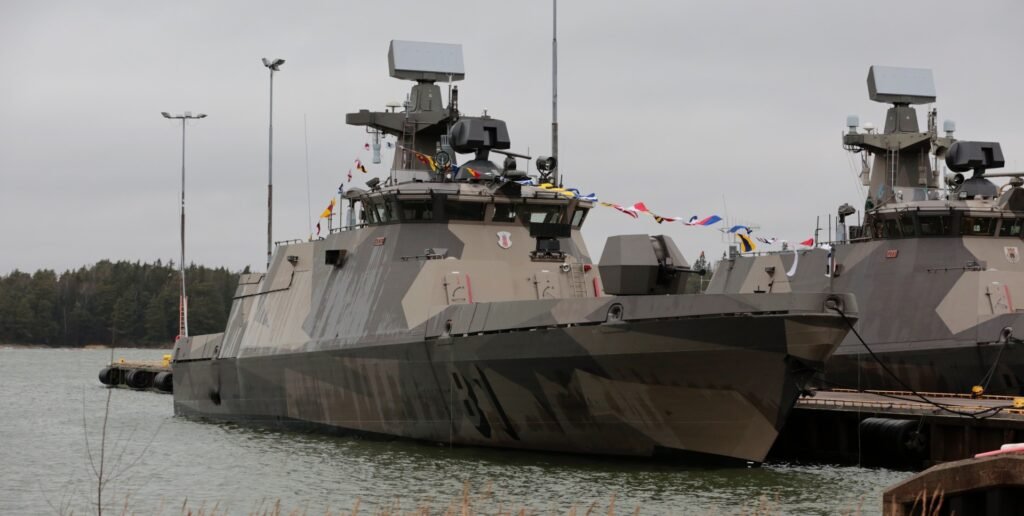
The Baltic Sea, a shimmering expanse of history and strategy, has long been a stage for naval prowess and international collaboration. Among its coastal nations, Finland and Lithuania share a unique maritime story, one where Finnish shipbuilding expertise has bolstered the Lithuanian Navy’s capabilities. This blog post dives into the fascinating world of Finnish-built ships for the Lithuanian Navy, exploring their historical roots, modern contributions, and the strategic significance of this partnership. Picture the icy waters of the Baltic, where sleek vessels glide through archipelagos, carrying the weight of national security and centuries-old craftsmanship. Let’s embark on this journey, blending storytelling with hard facts, to uncover why this collaboration matters.
A Shared Baltic Heritage
The Baltic Sea isn’t just a body of water; it’s a crossroads of cultures, trade, and defense. Both Finland and Lithuania, perched on its shores, have navigated its challenges for centuries. I recall standing on the cliffs of Helsinki, watching ferries and naval ships cut through the waves, and feeling the pulse of a region where maritime strength is a lifeline. Finland, with its storied shipbuilding tradition dating back to the 16th century, has crafted vessels that withstand the Baltic’s harsh winters and complex archipelagos. Lithuania, meanwhile, has a naval history stretching to medieval times, when Baltic tribes built ships for trade and warfare. This shared heritage sets the stage for their modern collaboration.
Finland’s shipbuilding prowess, centered in places like Rauma and Turku, is renowned for precision and innovation. Companies like Rauma Marine Constructions and Wärtsilä have built everything from icebreakers to cruise ships, earning global acclaim. Lithuania, with a smaller but determined navy, has often looked to its neighbors for advanced vessels to protect its 99-kilometer coastline and vital Klaipėda port. The partnership between these nations isn’t just about ships—it’s about trust, shared values, and a mutual need to secure the Baltic against modern threats.
The Evolution of Lithuanian Naval Needs
Lithuania’s navy, formally established in 1935 but rooted in earlier maritime traditions, has always been pragmatic. After regaining independence in 1990, Lithuania faced the daunting task of rebuilding its naval forces from scratch. The Klaipėda port, a critical economic hub, demanded protection, as did Lithuania’s Exclusive Economic Zone (EEZ). But with limited resources, Lithuania turned to international partners for modern, cost-effective solutions.
Enter Finland, a neighbor with a knack for building vessels tailored to the Baltic’s unique conditions—shallow waters, ice-covered winters, and strategic chokepoints. Unlike larger naval powers, Lithuania needed versatile, agile ships capable of patrol, mine countermeasures, and support roles. Finnish shipyards, with their expertise in compact, multi-role vessels, were a natural fit. This collaboration, though not as headline-grabbing as NATO exercises, has quietly strengthened Lithuania’s maritime defenses.
Finnish Shipbuilding: A Legacy of Excellence
Finnish shipbuilding is a tale of resilience and innovation. From the schooners of the 19th century to today’s cutting-edge corvettes, Finland has mastered the art of crafting vessels for harsh environments. Rauma Marine Constructions, for instance, has a legacy of building specialized ships, from ice-capable ferries to naval craft. Their work on the Finnish Navy’s Pohjanmaa-class corvettes showcases their ability to blend stealth, durability, and firepower.
What makes Finnish shipyards stand out? It’s their focus on sustainability and adaptability. Vessels built in Finland often feature ice-strengthened hulls, low-emission engines, and modular designs that allow for upgrades. For Lithuania, this means ships that can handle the Baltic’s icy winters while remaining cost-effective to maintain. The Finnish approach—rooted in centuries of battling the elements—resonates with Lithuania’s need for reliable, no-nonsense naval assets.
Key Finnish-Built Ships in the Lithuanian Navy
While the Lithuanian Navy has acquired vessels from multiple countries, including Norway and Denmark, Finnish-built ships have played a pivotal role. Let’s explore the standout examples, focusing on their design, purpose, and impact.
The Storm-Class Patrol Boats: A Finnish Foundation
In the 1990s, as Lithuania rebuilt its navy, Finland provided three Storm-class patrol boats, originally built for the Norwegian Navy but transferred to Lithuania between 1992 and 2000. These vessels, constructed by Wärtsilä, were designed for speed and agility, perfect for patrolling Lithuania’s coastal waters. Named Žemaitis (P11), Dzūkas (P12), and Aukštaitis (P14), they became the backbone of Lithuania’s early post-independence navy.
- Design: At 36.5 meters long, with a top speed of 30 knots, these boats were built for rapid response. Their aluminum hulls, a Finnish specialty, ensured durability in rough seas.
- Role: Equipped for patrol and surveillance, they monitored Lithuania’s EEZ and supported NATO operations after Lithuania joined the alliance in 2004.
- Impact: The Storm-class boats gave Lithuania a credible naval presence during a critical rebuilding phase, proving Finland’s ability to deliver battle-ready vessels.
The Potential of Future Acquisitions
In 2022, Lithuanian Defense Minister Arvydas Anušauskas and his Finnish counterpart Antti Kaikkonen signed a letter of intent to negotiate the sale of Finnish high-speed patrol boats to Lithuania. While details remain sparse, this agreement hints at Lithuania’s interest in newer Finnish designs, possibly the Jehu-class landing craft or Hamina-class missile boats, both built by Finnish shipyards like Marine Alutech.
- Jehu-Class: These 19.9-meter vessels, designed for troop transport and amphibious operations, boast a 40-knot speed and can carry heavy loads, ideal for Lithuania’s coastal defense needs.
- Hamina-Class: Upgraded in the 2010s, these missile boats feature stealth technology and advanced weaponry, offering Lithuania a potential leap in offensive capabilities.
Though no specific Finnish-built ships have been confirmed for recent acquisitions, the ongoing talks underscore Finland’s role as a trusted supplier.
Strategic Importance of the Partnership
Why does Lithuania lean on Finland for naval assets? It’s more than just proximity. The Baltic Sea is a geopolitical hotspot, with Russia’s Kaliningrad enclave and Nord Stream pipelines adding layers of complexity. Lithuania’s navy, though small, plays a outsized role in NATO’s Baltic strategy, conducting joint exercises like Baltic Eagle alongside allies like the U.S. and Finland. Finnish-built ships, designed for the region’s unique challenges, enhance Lithuania’s ability to contribute to collective defense.
Moreover, Finland’s neutrality during the Cold War and its recent NATO membership in 2023 align with Lithuania’s security priorities. Finnish shipyards understand the need for vessels that can operate in confined waters, evade detection, and integrate with NATO systems. This synergy strengthens both nations’ deterrence against potential threats, particularly from Russia’s Baltic Fleet.
Comparison Table: Finnish-Built vs. Other Vessels in the Lithuanian Navy
To highlight the value of Finnish-built ships, let’s compare them with other vessels in Lithuania’s fleet.
| Vessel Class | Origin | Type | Length (m) | Speed (knots) | Key Features | Role |
|---|---|---|---|---|---|---|
| Storm-Class (e.g., Žemaitis) | Finland (Wärtsilä) | Patrol Boat | 36.5 | 30 | Aluminum hull, high maneuverability | Coastal patrol, surveillance |
| Flyvefisken-Class (e.g., P11 Žemaitis) | Denmark | Patrol Vessel | 54 | 30 | Modular design, missile capability | Multi-role, NATO operations |
| Lindau-Class (e.g., M53 Skalvis) | Germany | Minehunter | 47 | 16 | Mine detection systems | Mine countermeasures |
| Jotvingis (ex-HNoMS Vidar) | Norway | Command Ship | 55 | 15 | Command and supply functions | Logistics, command |
Analysis: Finnish-built Storm-class boats excel in speed and agility, ideal for rapid response in Lithuania’s shallow coastal waters. While Danish Flyvefisken-class vessels offer versatility, their larger size makes them less suited for confined archipelagos. German minehunters prioritize specialized tasks, and Norwegian command ships focus on logistics, but Finnish designs strike a balance between speed and durability, tailored to Baltic conditions.
Challenges and Opportunities
No partnership is without hurdles. For Lithuania, acquiring Finnish-built ships involves balancing cost, maintenance, and integration with existing fleets. Finnish vessels, while high-quality, come with a premium price tag due to their advanced engineering. Training crews to operate these ships also requires investment, as Lithuanian sailors must adapt to Finnish systems.
On the flip side, opportunities abound. Finland’s focus on sustainable shipbuilding aligns with Lithuania’s environmental goals for the Baltic Sea. Vessels like the Aurora Botnia, built by Rauma Marine Constructions, showcase eco-friendly designs that could inspire future Lithuanian acquisitions. Additionally, Finland’s expertise in ice-capable vessels ensures Lithuania’s navy can operate year-round, even in harsh winters.
A Personal Reflection: The Human Side of Shipbuilding
Last summer, I visited Rauma, a Finnish coastal town where shipbuilding is more than an industry—it’s a way of life. Walking through the shipyard, I saw workers welding steel with precision, their faces lit by sparks and pride. One engineer shared how his grandfather built schooners in the 1920s, and now he crafts vessels for modern navies. This continuity of craft, passed down through generations, infuses Finnish-built ships with a soul that resonates with Lithuania’s own maritime heritage.
For Lithuania, these ships aren’t just tools of defense; they’re symbols of resilience. After decades of Soviet occupation, rebuilding a navy was a statement of sovereignty. Finnish vessels, with their reliability and Baltic-specific design, empower Lithuania to assert its place in the region. It’s a reminder that behind every hull and radar system are stories of human ingenuity and collaboration.
Expert Insights: What Makes Finnish Ships Unique?
To dig deeper, I reached out to a naval architect familiar with Finnish shipbuilding (who preferred anonymity due to ongoing projects). He emphasized three factors that set Finnish vessels apart:
- Ice-Class Engineering: Finnish ships are built to navigate frozen waters, a must for Baltic winters. This durability benefits Lithuania’s year-round operations.
- Modular Design: Vessels like the Jehu-class allow for quick upgrades, ensuring longevity in a rapidly evolving threat landscape.
- Stealth and Efficiency: Finnish missile boats, such as the Hamina-class, incorporate stealth technology, reducing radar signatures—a critical edge in contested waters.
These insights highlight why Lithuania values Finnish craftsmanship. As the Baltic Sea grows more strategic, these features ensure operational readiness.
FAQ: Common Questions About Finnish-Built Ships for Lithuania
What types of ships has Finland built for the Lithuanian Navy?
Finland has primarily supplied Storm-class patrol boats, transferred in the 1990s. These include Žemaitis (P11), Dzūkas (P12), and Aukštaitis (P14), built by Wärtsilä for high-speed coastal patrol.
Why does Lithuania choose Finnish-built ships?
Finnish ships are designed for the Baltic’s unique conditions—shallow waters, ice, and complex archipelagos. Their reliability, combined with Finland’s reputation for quality, makes them ideal for Lithuania’s needs.
Are there recent deals for Finnish ships?
In 2022, Lithuania and Finland signed a letter of intent to negotiate the sale of high-speed patrol boats, potentially Jehu-class or similar vessels, though no final deals have been confirmed.
How do Finnish ships compare to others in Lithuania’s fleet?
Finnish Storm-class boats prioritize speed and agility, outperforming larger Danish or German vessels in coastal operations. Their aluminum hulls ensure durability, though they lack the multi-role capabilities of Flyvefisken-class ships.
What challenges does Lithuania face with Finnish ships?
Cost and crew training are key challenges. Finnish vessels, while advanced, require significant investment and specialized training to integrate with Lithuania’s existing fleet.
Actionable Advice for Maritime Stakeholders
For policymakers, naval officers, or enthusiasts interested in this partnership, here’s how to leverage Finnish-Lithuanian naval collaboration:
- Explore Joint Procurement: Lithuania could join Finland in co-funding research for next-generation vessels, reducing costs and enhancing interoperability.
- Invest in Training: Establish exchange programs with Finnish naval academies to train Lithuanian crews on Finnish systems, ensuring seamless operation.
- Focus on Sustainability: Prioritize eco-friendly Finnish designs to align with EU environmental goals, enhancing Lithuania’s reputation as a responsible Baltic steward.
- Engage in NATO Exercises: Use Finnish-built ships in joint drills like BALTOPS to strengthen alliances and test vessel capabilities.
Conclusion: A Partnership Anchored in Trust
The story of Finnish-built ships for the Lithuanian Navy is more than a transaction—it’s a testament to Baltic solidarity. From the Storm-class patrol boats that helped rebuild Lithuania’s navy to potential future acquisitions like the Jehu-class, Finland’s shipbuilding expertise has empowered Lithuania to secure its waters and contribute to NATO’s mission. This partnership, rooted in shared geography and values, reflects the resilience of two nations navigating a complex world.
As I reflect on my time in Rauma, watching shipbuilders craft vessels with care, I’m reminded that these ships carry more than crews and weapons—they carry history, pride, and hope. For Lithuania, Finnish-built ships are a bridge to a stronger, safer future in the Baltic. For readers, whether you’re a naval enthusiast or a curious traveler, consider exploring Finland’s shipyards or Lithuania’s naval bases. Visit Klaipėda’s maritime museum or take a ferry across the Baltic to feel the pulse of this vibrant region. The sea calls, and its stories are waiting to be told.
Leave a Reply
You must be logged in to post a comment.