Estonia’s Air Defense Radar Systems: Guardians of the Baltic Sky
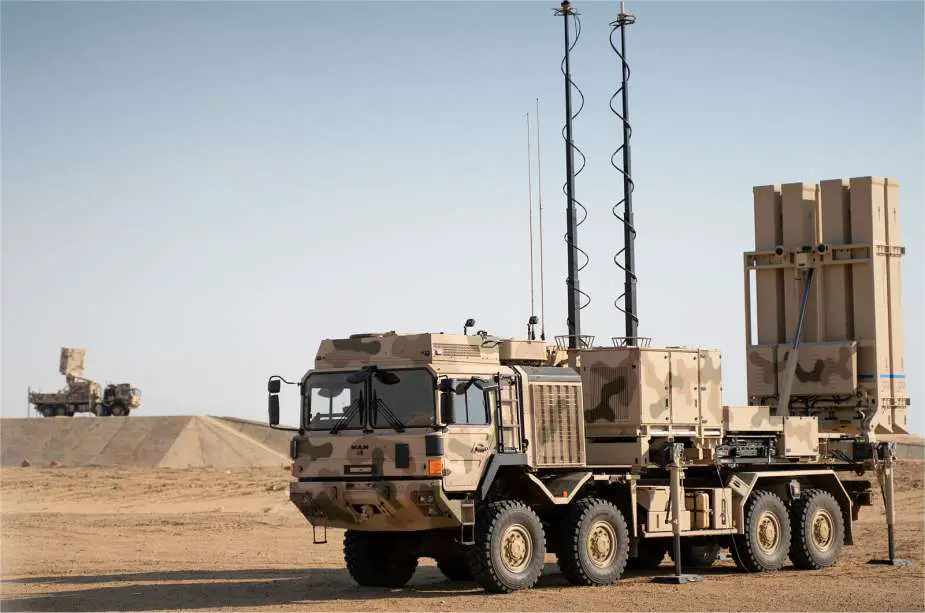
Imagine standing on the windswept cliffs of Hiiumaa Island, the Baltic Sea stretching endlessly before you. The air is crisp, the horizon vast, but above, an invisible network of technology hums, silently scanning the skies. This is Estonia, a small nation with a big mission: protecting its airspace in a region where geopolitical tensions simmer. Estonia’s air defense radar systems are the unsung heroes of this mission, blending cutting-edge technology with strategic foresight to safeguard not just its own borders but also those of its NATO allies. In this deep dive, we’ll explore how Estonia’s radar systems have evolved, their role in Baltic security, and why they matter in today’s volatile world. From the snowy peaks of the Cold War to modern drone threats, this is a story of resilience, innovation, and vigilance.
A Brief History of Estonia’s Air Defense Journey
Estonia’s air defense story begins in the shadow of the Soviet era, when its skies were monitored by outdated Soviet radar systems. After regaining independence in 1991, Estonia faced the daunting task of rebuilding its military infrastructure from scratch. The Estonian Air Force, re-established in 1991, inherited old Soviet equipment but lacked modern capabilities. By the late 1990s, Estonia began modernizing, with a focus on air surveillance to integrate with NATO’s air defense framework. The Estonian Air Force has since transformed into a lean, tech-driven force, prioritizing radar systems over costly fighter jets due to its small size and strategic needs. This shift wasn’t just practical—it was a statement of Estonia’s commitment to collective defense.
The journey wasn’t easy. Limited budgets and a small population meant Estonia had to be smart about its investments. The 2009 joint procurement with Finland for 14 Ground Master 403 radars marked a turning point, bringing Estonia into the modern era of air surveillance. These systems, supplied by Thales-Raytheon Systems, were a leap forward, offering 3D surveillance and NATO interoperability. Fast forward to 2025, and Estonia is building new radar posts, like the one on Hiiumaa, to counter evolving threats like drones and ballistic missiles. This history of adaptation sets the stage for understanding why Estonia’s radar systems are so critical today.
Why Air Defense Radars Matter for Estonia
Estonia’s geographic position makes it a frontline state in NATO’s eastern flank. Bordering Russia, it sits in a region where airspace violations are not just hypothetical but a recurring concern. Air defense radars are the backbone of Estonia’s ability to monitor and respond to these threats. They provide real-time data on aircraft, drones, and missiles, enabling quick decision-making. According to NATO’s Integrated Air Defense System, Estonia’s radars feed into a broader network, ensuring seamless coordination with allies like Finland and Latvia.
But it’s not just about military threats. Radars also support civilian operations, such as air traffic control and maritime rescue. For instance, the new Kõpu radar post on Hiiumaa, set to be operational by mid-2026, will enhance flight safety and support search-and-rescue missions, as noted by Major Tõnis Pärn of the Estonian Defence Forces. This dual-use capability makes Estonia’s radar investments a win-win for both security and society.
The Strategic Context: Baltic Security and Beyond
Estonia’s radar systems don’t operate in a vacuum. They’re part of a broader Baltic air defense strategy, where Latvia, Lithuania, and Estonia collaborate to create a cohesive surveillance network. The Baltic Air Surveillance Network ensures that data from Estonian radars, like those at Ämari Air Base, is shared with regional allies, strengthening collective defense. This is critical in a region where Russia’s military activities, including frequent airspace provocations, keep tensions high.
Moreover, Estonia’s radars are integrated into NATO’s Air Command and Control System (ACCS), which connects radar sites across Europe. This interoperability allows Estonia to contribute to NATO’s Baltic Air Policing mission, where allied jets patrol the skies to deter potential aggressors. The radars’ ability to detect threats beyond Estonia’s borders—up to 300 km in some cases—makes them a vital asset for regional stability.
The Technology Behind Estonia’s Radar Systems
Estonia’s air defense radars are a blend of innovation and practicality. Let’s break down the key systems in use and their capabilities:
- Ground Master 400 (GM 400): Supplied by Thales-Raytheon Systems, the GM 400 is a long-range, 3D radar capable of detecting targets at high altitudes and ranges up to 400 km. Deployed on Muhu Island since 2014, it’s a cornerstone of Estonia’s surveillance network. Its mobile configuration allows rapid deployment, crucial for responding to dynamic threats.
- Giraffe AMB: Operated by the 16th Air Defence Battalion, these radars provide short-range surveillance and are integrated with Mistral missile systems. They’re mobile and ideal for protecting ground units, offering precise tracking for low-flying threats like drones.
- Passive Radar Systems: In 2025, Estonia contracted Pro Patria Electronics for passive radar systems. Unlike active radars, these detect emissions from aircraft without emitting signals, making them stealthy and harder to jam. They’re being deployed at border points to enhance situational awareness.
- Kõpu Radar Post: Under construction on Hiiumaa, this €4 million EU-funded project will feature advanced radar technology to monitor airspace and support civilian operations. Its strategic location in northwestern Estonia fills a critical gap in coverage.
These systems use Active Electronically Scanned Array (AESA) technology, which allows for rapid scanning and precise target tracking. Unlike older radars, AESA systems can handle multiple targets simultaneously, making them ideal for modern threats like drones and cruise missiles. Northrop Grumman highlights AESA’s ability to provide real-time situational awareness, a feature Estonia leverages to stay ahead of potential threats.
A Personal Anecdote: The Human Side of Radar Operations
During a visit to Ämari Air Base a few years ago, I had the chance to chat with a radar operator named Kaarel. He described his job as “like playing a high-stakes video game, but with real lives at stake.” Kaarel’s screen was filled with blips—each a potential aircraft or drone. He explained how the GM 400 radar could pick up a small drone 50 km away, giving his team enough time to alert NATO jets. His pride in Estonia’s tech was palpable, but so was the weight of responsibility. For Kaarel, the radar wasn’t just a machine—it was a lifeline connecting Estonia to its allies.
This human element underscores the radars’ importance. They’re not just tech; they’re tools that empower people like Kaarel to protect their homeland. Whether it’s detecting a Russian jet skirting the border or guiding a rescue helicopter, these systems are woven into Estonia’s security fabric.
Comparison Table: Estonia’s Key Radar Systems
| Radar System | Type | Range | Key Features | Primary Use | Deployment |
|---|---|---|---|---|---|
| Ground Master 400 | 3D Long-Range | Up to 400 km | AESA technology, NATO interoperable, mobile | Air surveillance, NATO integration | Muhu Island, Ämari |
| Giraffe AMB | Short-Range | Up to 100 km | Mobile, integrated with Mistral missiles | Ground unit protection, drone detection | 16th Air Defence Battalion |
| Passive Radar | Passive | Varies | Stealthy, emission-based detection | Border security, anti-jamming | Border points (2025) |
| Kõpu Radar | Long-Range | TBD | EU-funded, dual-use (military/civilian) | Airspace monitoring, maritime rescue | Hiiumaa (2026) |
Table: Estonia’s Radar Arsenal – A snapshot of the systems safeguarding the Baltic skies, highlighting their range, features, and roles.
Challenges and Future Directions
Estonia’s radar systems are impressive, but they face challenges. Budget constraints are a constant hurdle for a nation of 1.3 million people. The €4 million Kõpu project, while significant, is just one piece of a larger puzzle. Maintaining and upgrading these systems requires ongoing investment, as does training personnel to operate them. Additionally, the rise of electronic warfare—such as jamming—poses a threat to active radar systems, which is why passive radars are gaining traction.
Looking ahead, Estonia is exploring mid-range air defense systems, with plans to have them operational by 2025. These systems, which include radars and missiles like the IRIS-T SLM, aim to counter drones, cruise missiles, and loitering munitions. The Defense Post reports that Estonia is collaborating with Latvia on this procurement, emphasizing mobility and range based on lessons from Ukraine’s conflict. This move signals Estonia’s shift toward a layered defense strategy, combining radars with missile systems for comprehensive protection.
The Drone Threat: A New Frontier
Drones are rewriting the rules of air defense, and Estonia is adapting fast. From small commercial drones to sophisticated military UAVs, these threats are hard to detect due to their size and low altitude. The Giraffe AMB radar, with its ability to track low-flying targets, is a key asset here. Estonia’s experience with drones isn’t just theoretical—Threod Systems, an Estonian company, has developed UAVs like the Stream C, which are tested in exercises like Spring Storm to simulate real threats. This hands-on approach ensures Estonia’s radars are ready for the drone age.
Expert Insights: What Makes Estonia’s Approach Unique
Estonia’s air defense strategy is a masterclass in doing more with less. Dr. David Nagy, a security analyst, notes that Estonia’s focus on technology over traditional heavy equipment—like fighter jets—reflects a pragmatic approach suited to its size and resources. By investing in radars and cybersecurity, Estonia maximizes its contribution to NATO while addressing local needs. Nagy points out that the passive radar deal with Pro Patria Electronics highlights Estonia’s willingness to embrace innovative solutions, even from smaller players.
Another expert, Steven Linkov from the Estonian Centre for Defence Investments, emphasizes the Kõpu radar’s role in regional security. “It’s not just about Estonia,” he says. “It’s about creating a seamless surveillance network across the Baltic states.” This cooperative spirit, combined with cutting-edge tech, sets Estonia apart as a forward-thinking NATO member.
FAQ: Your Questions About Estonia’s Air Defense Radars Answered
Q: What types of radars does Estonia use?
A: Estonia employs a mix of long-range (Ground Master 400), short-range (Giraffe AMB), and passive radar systems. The Kõpu radar post, under construction, will add advanced capabilities by 2026.
Q: How do Estonia’s radars support NATO?
A: They integrate with NATO’s Air Command and Control System, feeding data into the Baltic Air Surveillance Network and supporting missions like Baltic Air Policing.
Q: Can Estonia’s radars detect drones?
A: Yes, systems like the Giraffe AMB are designed to track low-flying drones, while passive radars enhance detection of stealthy targets.
Q: Why is the Kõpu radar post significant?
A: Located on Hiiumaa, it will improve northwestern coverage, support civilian operations, and strengthen NATO’s regional defense network.
Q: How does Estonia afford these systems?
A: Through a combination of national budgets, EU funding (e.g., Recovery and Resilience Facility), and joint procurements with allies like Finland and Latvia.
Q: Are Estonia’s radars vulnerable to jamming?
A: Active radars can be targeted by electronic warfare, but passive radars, which don’t emit signals, are harder to jam, enhancing resilience.
Q: What’s next for Estonia’s air defense?
A: Estonia is investing in mid-range air defense systems by 2025, integrating radars with missiles like the IRIS-T SLM to counter diverse threats.
Conclusion: Estonia’s Skyward Vision
Estonia’s air defense radar systems are more than just technology—they’re a testament to a nation’s resolve to protect its sovereignty and contribute to global security. From the Cold War’s shadow to the drone-filled skies of 2025, Estonia has built a surveillance network that punches above its weight. The Ground Master 400, Giraffe AMB, and upcoming passive and Kõpu radars form a layered defense that safeguards both military and civilian interests. By integrating with NATO and collaborating with Baltic allies, Estonia ensures its radars are a force multiplier in a volatile region.
For readers curious about what’s next, keep an eye on Estonia’s mid-range air defense plans and its growing role in NATO’s eastern flank. If you’re inspired to learn more, explore resources like Defence Today or visit Estonia’s Ministry of Defence for updates on its defense initiatives. Whether you’re a policy wonk, a tech enthusiast, or simply intrigued by Estonia’s story, one thing is clear: in the Baltic skies, vigilance never sleeps.
Leave a Reply
You must be logged in to post a comment.