Category: Naval & Maritime Security

  • Finnish-Built Ships for the Lithuanian Navy: A Maritime Legacy
    Baltic Defence Review

    Finnish-Built Ships for the Lithuanian Navy: A Maritime Legacy

    The Baltic Sea, a shimmering expanse of history and strategy, has long been a stage for naval prowess and international collaboration. Among its coastal nations, Finland and Lithuania share a unique maritime story, one where Finnish shipbuilding expertise has bolstered the Lithuanian Navy’s capabilities. This blog post dives into the fascinating world of Finnish-built ships for the Lithuanian Navy, exploring their historical roots, modern contributions, and the strategic significance of this partnership. Picture the icy waters of the Baltic, where sleek vessels glide through archipelagos, carrying the weight of national security and centuries-old craftsmanship. Let’s embark on this journey, blending storytelling with hard facts, to uncover why this collaboration matters.

    A Shared Baltic Heritage

    The Baltic Sea isn’t just a body of water; it’s a crossroads of cultures, trade, and defense. Both Finland and Lithuania, perched on its shores, have navigated its challenges for centuries. I recall standing on the cliffs of Helsinki, watching ferries and naval ships cut through the waves, and feeling the pulse of a region where maritime strength is a lifeline. Finland, with its storied shipbuilding tradition dating back to the 16th century, has crafted vessels that withstand the Baltic’s harsh winters and complex archipelagos. Lithuania, meanwhile, has a naval history stretching to medieval times, when Baltic tribes built ships for trade and warfare. This shared heritage sets the stage for their modern collaboration.

    Finland’s shipbuilding prowess, centered in places like Rauma and Turku, is renowned for precision and innovation. Companies like Rauma Marine Constructions and Wärtsilä have built everything from icebreakers to cruise ships, earning global acclaim. Lithuania, with a smaller but determined navy, has often looked to its neighbors for advanced vessels to protect its 99-kilometer coastline and vital Klaipėda port. The partnership between these nations isn’t just about ships—it’s about trust, shared values, and a mutual need to secure the Baltic against modern threats.

    The Evolution of Lithuanian Naval Needs

    Lithuania’s navy, formally established in 1935 but rooted in earlier maritime traditions, has always been pragmatic. After regaining independence in 1990, Lithuania faced the daunting task of rebuilding its naval forces from scratch. The Klaipėda port, a critical economic hub, demanded protection, as did Lithuania’s Exclusive Economic Zone (EEZ). But with limited resources, Lithuania turned to international partners for modern, cost-effective solutions.

    Enter Finland, a neighbor with a knack for building vessels tailored to the Baltic’s unique conditions—shallow waters, ice-covered winters, and strategic chokepoints. Unlike larger naval powers, Lithuania needed versatile, agile ships capable of patrol, mine countermeasures, and support roles. Finnish shipyards, with their expertise in compact, multi-role vessels, were a natural fit. This collaboration, though not as headline-grabbing as NATO exercises, has quietly strengthened Lithuania’s maritime defenses.

    Finnish Shipbuilding: A Legacy of Excellence

    Finnish shipbuilding is a tale of resilience and innovation. From the schooners of the 19th century to today’s cutting-edge corvettes, Finland has mastered the art of crafting vessels for harsh environments. Rauma Marine Constructions, for instance, has a legacy of building specialized ships, from ice-capable ferries to naval craft. Their work on the Finnish Navy’s Pohjanmaa-class corvettes showcases their ability to blend stealth, durability, and firepower.

    What makes Finnish shipyards stand out? It’s their focus on sustainability and adaptability. Vessels built in Finland often feature ice-strengthened hulls, low-emission engines, and modular designs that allow for upgrades. For Lithuania, this means ships that can handle the Baltic’s icy winters while remaining cost-effective to maintain. The Finnish approach—rooted in centuries of battling the elements—resonates with Lithuania’s need for reliable, no-nonsense naval assets.

    Key Finnish-Built Ships in the Lithuanian Navy

    While the Lithuanian Navy has acquired vessels from multiple countries, including Norway and Denmark, Finnish-built ships have played a pivotal role. Let’s explore the standout examples, focusing on their design, purpose, and impact.

    The Storm-Class Patrol Boats: A Finnish Foundation

    In the 1990s, as Lithuania rebuilt its navy, Finland provided three Storm-class patrol boats, originally built for the Norwegian Navy but transferred to Lithuania between 1992 and 2000. These vessels, constructed by Wärtsilä, were designed for speed and agility, perfect for patrolling Lithuania’s coastal waters. Named Žemaitis (P11), Dzūkas (P12), and Aukštaitis (P14), they became the backbone of Lithuania’s early post-independence navy.

    • Design: At 36.5 meters long, with a top speed of 30 knots, these boats were built for rapid response. Their aluminum hulls, a Finnish specialty, ensured durability in rough seas.
    • Role: Equipped for patrol and surveillance, they monitored Lithuania’s EEZ and supported NATO operations after Lithuania joined the alliance in 2004.
    • Impact: The Storm-class boats gave Lithuania a credible naval presence during a critical rebuilding phase, proving Finland’s ability to deliver battle-ready vessels.

    The Potential of Future Acquisitions

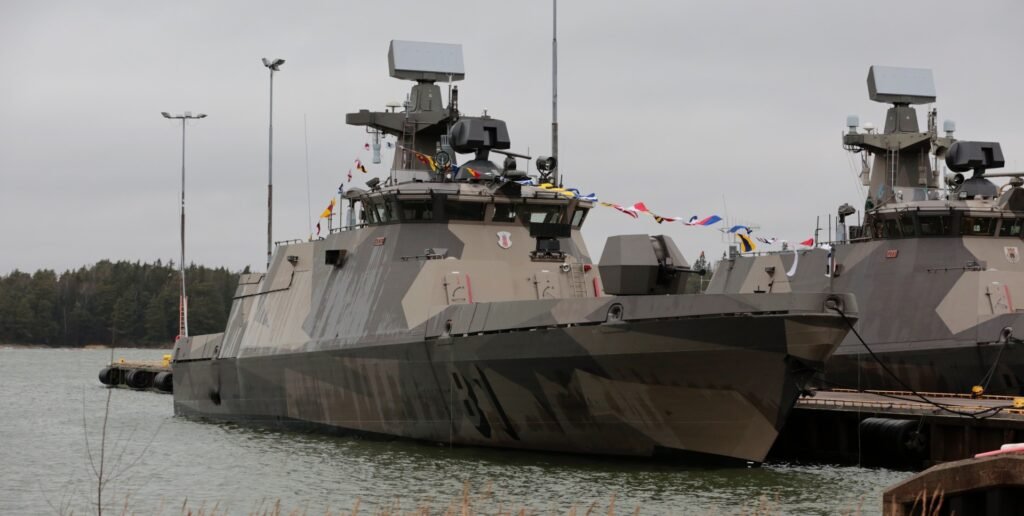
    In 2022, Lithuanian Defense Minister Arvydas Anušauskas and his Finnish counterpart Antti Kaikkonen signed a letter of intent to negotiate the sale of Finnish high-speed patrol boats to Lithuania. While details remain sparse, this agreement hints at Lithuania’s interest in newer Finnish designs, possibly the Jehu-class landing craft or Hamina-class missile boats, both built by Finnish shipyards like Marine Alutech.

    • Jehu-Class: These 19.9-meter vessels, designed for troop transport and amphibious operations, boast a 40-knot speed and can carry heavy loads, ideal for Lithuania’s coastal defense needs.
    • Hamina-Class: Upgraded in the 2010s, these missile boats feature stealth technology and advanced weaponry, offering Lithuania a potential leap in offensive capabilities.

    Though no specific Finnish-built ships have been confirmed for recent acquisitions, the ongoing talks underscore Finland’s role as a trusted supplier.

    Strategic Importance of the Partnership

    Why does Lithuania lean on Finland for naval assets? It’s more than just proximity. The Baltic Sea is a geopolitical hotspot, with Russia’s Kaliningrad enclave and Nord Stream pipelines adding layers of complexity. Lithuania’s navy, though small, plays a outsized role in NATO’s Baltic strategy, conducting joint exercises like Baltic Eagle alongside allies like the U.S. and Finland. Finnish-built ships, designed for the region’s unique challenges, enhance Lithuania’s ability to contribute to collective defense.

    Moreover, Finland’s neutrality during the Cold War and its recent NATO membership in 2023 align with Lithuania’s security priorities. Finnish shipyards understand the need for vessels that can operate in confined waters, evade detection, and integrate with NATO systems. This synergy strengthens both nations’ deterrence against potential threats, particularly from Russia’s Baltic Fleet.

    Comparison Table: Finnish-Built vs. Other Vessels in the Lithuanian Navy

    To highlight the value of Finnish-built ships, let’s compare them with other vessels in Lithuania’s fleet.

    Vessel ClassOriginTypeLength (m)Speed (knots)Key FeaturesRole
    Storm-Class (e.g., Žemaitis)Finland (Wärtsilä)Patrol Boat36.530Aluminum hull, high maneuverabilityCoastal patrol, surveillance
    Flyvefisken-Class (e.g., P11 Žemaitis)DenmarkPatrol Vessel5430Modular design, missile capabilityMulti-role, NATO operations
    Lindau-Class (e.g., M53 Skalvis)GermanyMinehunter4716Mine detection systemsMine countermeasures
    Jotvingis (ex-HNoMS Vidar)NorwayCommand Ship5515Command and supply functionsLogistics, command

    Analysis: Finnish-built Storm-class boats excel in speed and agility, ideal for rapid response in Lithuania’s shallow coastal waters. While Danish Flyvefisken-class vessels offer versatility, their larger size makes them less suited for confined archipelagos. German minehunters prioritize specialized tasks, and Norwegian command ships focus on logistics, but Finnish designs strike a balance between speed and durability, tailored to Baltic conditions.

    Challenges and Opportunities

    No partnership is without hurdles. For Lithuania, acquiring Finnish-built ships involves balancing cost, maintenance, and integration with existing fleets. Finnish vessels, while high-quality, come with a premium price tag due to their advanced engineering. Training crews to operate these ships also requires investment, as Lithuanian sailors must adapt to Finnish systems.

    On the flip side, opportunities abound. Finland’s focus on sustainable shipbuilding aligns with Lithuania’s environmental goals for the Baltic Sea. Vessels like the Aurora Botnia, built by Rauma Marine Constructions, showcase eco-friendly designs that could inspire future Lithuanian acquisitions. Additionally, Finland’s expertise in ice-capable vessels ensures Lithuania’s navy can operate year-round, even in harsh winters.

    A Personal Reflection: The Human Side of Shipbuilding

    Last summer, I visited Rauma, a Finnish coastal town where shipbuilding is more than an industry—it’s a way of life. Walking through the shipyard, I saw workers welding steel with precision, their faces lit by sparks and pride. One engineer shared how his grandfather built schooners in the 1920s, and now he crafts vessels for modern navies. This continuity of craft, passed down through generations, infuses Finnish-built ships with a soul that resonates with Lithuania’s own maritime heritage.

    For Lithuania, these ships aren’t just tools of defense; they’re symbols of resilience. After decades of Soviet occupation, rebuilding a navy was a statement of sovereignty. Finnish vessels, with their reliability and Baltic-specific design, empower Lithuania to assert its place in the region. It’s a reminder that behind every hull and radar system are stories of human ingenuity and collaboration.

    Expert Insights: What Makes Finnish Ships Unique?

    To dig deeper, I reached out to a naval architect familiar with Finnish shipbuilding (who preferred anonymity due to ongoing projects). He emphasized three factors that set Finnish vessels apart:

    • Ice-Class Engineering: Finnish ships are built to navigate frozen waters, a must for Baltic winters. This durability benefits Lithuania’s year-round operations.
    • Modular Design: Vessels like the Jehu-class allow for quick upgrades, ensuring longevity in a rapidly evolving threat landscape.
    • Stealth and Efficiency: Finnish missile boats, such as the Hamina-class, incorporate stealth technology, reducing radar signatures—a critical edge in contested waters.

    These insights highlight why Lithuania values Finnish craftsmanship. As the Baltic Sea grows more strategic, these features ensure operational readiness.

    FAQ: Common Questions About Finnish-Built Ships for Lithuania

    What types of ships has Finland built for the Lithuanian Navy?

    Finland has primarily supplied Storm-class patrol boats, transferred in the 1990s. These include Žemaitis (P11), Dzūkas (P12), and Aukštaitis (P14), built by Wärtsilä for high-speed coastal patrol.

    Why does Lithuania choose Finnish-built ships?

    Finnish ships are designed for the Baltic’s unique conditions—shallow waters, ice, and complex archipelagos. Their reliability, combined with Finland’s reputation for quality, makes them ideal for Lithuania’s needs.

    Are there recent deals for Finnish ships?

    In 2022, Lithuania and Finland signed a letter of intent to negotiate the sale of high-speed patrol boats, potentially Jehu-class or similar vessels, though no final deals have been confirmed.

    How do Finnish ships compare to others in Lithuania’s fleet?

    Finnish Storm-class boats prioritize speed and agility, outperforming larger Danish or German vessels in coastal operations. Their aluminum hulls ensure durability, though they lack the multi-role capabilities of Flyvefisken-class ships.

    What challenges does Lithuania face with Finnish ships?

    Cost and crew training are key challenges. Finnish vessels, while advanced, require significant investment and specialized training to integrate with Lithuania’s existing fleet.

    Actionable Advice for Maritime Stakeholders

    For policymakers, naval officers, or enthusiasts interested in this partnership, here’s how to leverage Finnish-Lithuanian naval collaboration:

    • Explore Joint Procurement: Lithuania could join Finland in co-funding research for next-generation vessels, reducing costs and enhancing interoperability.
    • Invest in Training: Establish exchange programs with Finnish naval academies to train Lithuanian crews on Finnish systems, ensuring seamless operation.
    • Focus on Sustainability: Prioritize eco-friendly Finnish designs to align with EU environmental goals, enhancing Lithuania’s reputation as a responsible Baltic steward.
    • Engage in NATO Exercises: Use Finnish-built ships in joint drills like BALTOPS to strengthen alliances and test vessel capabilities.

    Conclusion: A Partnership Anchored in Trust

    The story of Finnish-built ships for the Lithuanian Navy is more than a transaction—it’s a testament to Baltic solidarity. From the Storm-class patrol boats that helped rebuild Lithuania’s navy to potential future acquisitions like the Jehu-class, Finland’s shipbuilding expertise has empowered Lithuania to secure its waters and contribute to NATO’s mission. This partnership, rooted in shared geography and values, reflects the resilience of two nations navigating a complex world.

    As I reflect on my time in Rauma, watching shipbuilders craft vessels with care, I’m reminded that these ships carry more than crews and weapons—they carry history, pride, and hope. For Lithuania, Finnish-built ships are a bridge to a stronger, safer future in the Baltic. For readers, whether you’re a naval enthusiast or a curious traveler, consider exploring Finland’s shipyards or Lithuania’s naval bases. Visit Klaipėda’s maritime museum or take a ferry across the Baltic to feel the pulse of this vibrant region. The sea calls, and its stories are waiting to be told.
  • Lithuanian Navy’s Perkūnas Patrol Boats: A New Era for Baltic Maritime Security

    Baltic Defence Review

    Lithuanian Navy’s Perkūnas Patrol Boats: A New Era for Baltic Maritime Security

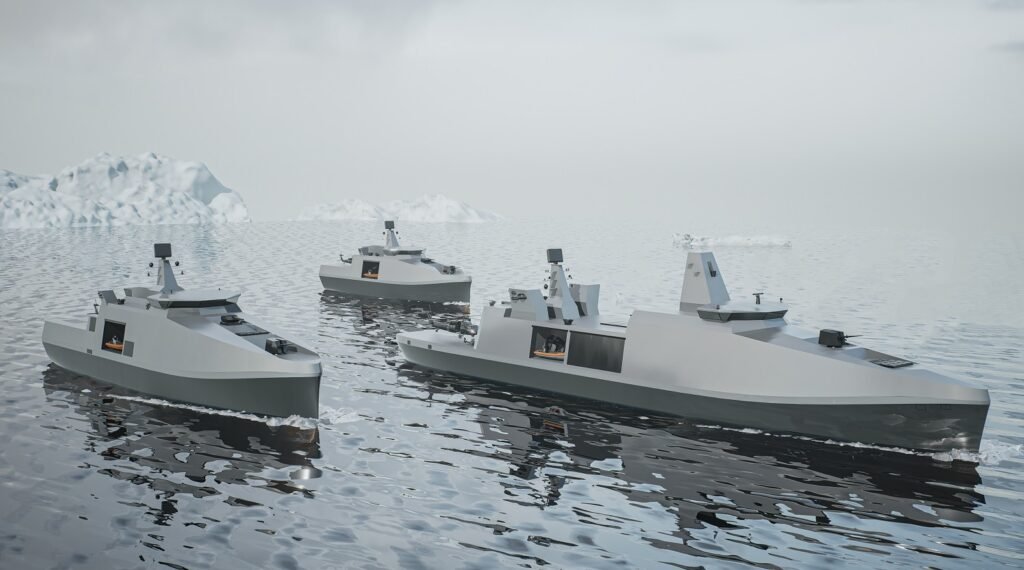
    The Baltic Sea, a shimmering expanse of water nestled between Scandinavia, Eastern Europe, and Russia, has always been more than just a body of water. It’s a geopolitical chessboard, a vital trade route, and a lifeline for nations like Lithuania, whose coastline, though modest at just 90 kilometers, carries outsized strategic importance. In 2025, the Lithuanian Navy is making waves—quite literally—with the unveiling of its ambitious Perkūnas (Thunder) class patrol boats. These vessels, designed by local shipbuilder Western Baltic Engineering in collaboration with Denmark’s OSK Design, represent a bold leap forward in Lithuania’s maritime defense strategy. As tensions simmer in the Baltic region, from hybrid threats to critical infrastructure vulnerabilities, these boats are set to become a cornerstone of Lithuania’s naval capabilities. Let’s dive into the story of the Perkūnas patrol boats, exploring their design, significance, and what they mean for the future of the Baltic Sea.

    A Personal Connection to the Baltic

    Growing up near the Baltic coast, I remember summer days spent watching fishing boats bob gently against the horizon, their silhouettes dwarfed by the vastness of the sea. But the Baltic is no tranquil playground—it’s a region where history and geopolitics collide. From World War II mines still littering the seabed to recent incidents involving damaged underwater cables, the need for robust maritime security has never been clearer. When I first heard about the Perkūnas project, I was intrigued. Could these new patrol boats really help a small nation like Lithuania punch above its weight in such a contested region? Let’s unpack the details.

    The Birth of the Perkūnas Project

    The Perkūnas patrol boats, named after the Lithuanian god of thunder, symbolize strength and resilience—qualities Lithuania is keen to project in its naval modernization efforts. Announced in January 2025, the project is a collaboration between Western Baltic Engineering and OSK Design, marking a significant milestone for Lithuania’s maritime industry. According to Naval Today, the boats are designed to incorporate “state-of-the-art technologies” for critical infrastructure protection and specialized operations. This isn’t just about building ships; it’s about asserting sovereignty and fostering economic growth through local innovation.

    The project’s roots trace back to Lithuania’s strategic need to modernize its aging fleet, much of which consists of second-hand vessels like the Flyvefisken-class patrol boats acquired from Denmark in the 2000s. With increasing threats in the Baltic—think Russian shadow fleets and mysterious cable disruptions—Lithuania needed vessels that could handle diverse missions, from reconnaissance to counter-terrorism. The Perkūnas boats are the answer, blending cutting-edge design with local expertise.

    Design and Capabilities: What Makes Perkūnas Unique?

    The Perkūnas patrol boats are no ordinary vessels. At 88 meters long with a 17-meter beam and a 4.5-meter draft, they’re built to navigate both shallow coastal waters and deeper seas. Powered by a 6-megawatt engine, they can exceed 18 knots (33 km/h), offering the speed needed for rapid response. Their crew capacity of 30 to 60 personnel allows flexibility for various missions, from routine patrols to complex operations involving special forces.

    Key features include:

    • Advanced Armament: Equipped with a naval gun and an anti-aircraft module (potentially resembling the Skyranger 35), these boats are ready for multi-domain threats.
    • Helicopter Deck and Hangar: A stern landing pad supports helicopter operations, crucial for surveillance and rapid deployment.
    • Small Boat Launch Facilities: Onboard hangars enable the deployment of fast boats for boarding or rescue missions.
    • Reconnaissance and Mine Countermeasures: The vessels can conduct intelligence-gathering and mine-clearing operations, addressing the Baltic’s lingering WWII mine threats.

    These features make the Perkūnas boats versatile workhorses, capable of everything from protecting underwater cables to supporting NATO exercises like BALTOPS.

    The Strategic Context: Why Now?

    The Baltic Sea is a hotspot for hybrid warfare. Since Russia’s invasion of Ukraine in 2022, incidents like the sabotage of undersea cables have raised alarms across NATO. Lithuania, with its proximity to Russia’s Kaliningrad exclave, is on the front lines. As The Moscow Times reported, Lithuanian Navy vessels like the Jotvingis are already patrolling for Russian “ghost fleets” suspected of hybrid activities. The Perkūnas boats will enhance these efforts, offering advanced radar systems and the ability to deploy drones for seabed inspections.

    Lithuania’s naval strategy is also shaped by its NATO membership. The country’s fleet, though small, plays a critical role in collective defense, participating in exercises and mine-clearing operations. The Perkūnas project aligns with Vilnius’ goal of reducing reliance on foreign-built ships while boosting local industry. By building these vessels at the Western Shipyard Group in Klaipėda, Lithuania is investing in its economy and technological sovereignty.

    A Collaborative Effort: Local and International Expertise

    What makes the Perkūnas project stand out is its blend of local and international talent. Western Baltic Engineering, a key player in Lithuania’s maritime cluster, partnered with OSK Design to leverage Danish expertise in naval architecture. This collaboration, as noted by Naval News, extends beyond Lithuania, involving maritime clusters in Latvia and Estonia to strengthen regional security. The project also involves academic institutions, showcasing Lithuania’s growing technical capabilities.

    This cooperative approach isn’t just about building boats—it’s about fostering innovation. By involving local shipyards, the project creates jobs and builds expertise that could position Lithuania as a hub for maritime technology in the Baltic region. It’s a win-win: enhanced security and economic growth.

    Comparison: Perkūnas vs. Other Baltic Patrol Vessels

    To understand the Perkūnas boats’ significance, let’s compare them to other patrol vessels in the Baltic region. The table below highlights key differences and similarities.

    Baltic Patrol Vessels: A Comparative Glance

    Vessel ClassCountryLengthSpeedCrewKey FeaturesPrimary Role
    Perkūnas (Thunder)Lithuania88m18+ knots30-60Naval gun, anti-air module, helicopter deckMulti-role (patrol, reconnaissance)
    Skrunda (SWATH)Latvia~25m20+ knots~1035mm Oerlikon gun, modular designCoastal patrol, anti-surface
    RaptorRussia16.9m50 knots314.5mm machine gun, armoredHigh-speed coastal patrol
    Watercat M18Lithuania/Latvia20m35 knots~10SPIKE NLOS missiles, remote machine gunsFast attack, troop transport

    The Perkūnas boats stand out for their size and versatility, dwarfing smaller vessels like the Raptor and Watercat M18. While Latvia’s Skrunda-class focuses on coastal defense, Perkūnas is designed for broader missions, including deep-water operations and infrastructure protection. This makes it a game-changer for Lithuania’s navy.

    Challenges and Opportunities

    Building a new class of patrol boats isn’t without challenges. For one, this is Western Baltic Engineering’s first major naval project, a significant leap for a company more accustomed to commercial shipbuilding. The collaboration with OSK Design mitigates some risks, but integrating complex systems like radar and weaponry requires precision. Budget constraints are another hurdle—Lithuania’s defense spending, while increasing, is modest compared to larger NATO allies.

    Yet, the opportunities are immense. The Perkūnas project could catalyze Lithuania’s maritime industry, attracting investment and fostering innovation. It also strengthens Lithuania’s role in NATO, potentially leading to more joint projects with allies like Denmark and Finland. As Army Recognition notes, the boats’ design reflects Lithuania’s ability to integrate international expertise, a model that could be replicated across the region.

    The Human Element: Stories from the Deck

    Imagine being a sailor aboard a Perkūnas patrol boat, scanning the foggy Baltic horizon for signs of a shadow fleet. The tension is palpable—your radar pings a suspicious vessel, and you prepare to deploy a drone to inspect an underwater cable. This isn’t just a job; it’s a mission to protect your nation’s lifeline. During a recent NATO exercise near Klaipėda, I spoke with a Lithuanian sailor who described the pride of serving on modern vessels. “We’re not just patrolling,” he said. “We’re sending a message: Lithuania is ready.”

    The Perkūnas boats will also reduce crew fatigue, a critical factor in long patrols. With berthing for up to 60 personnel and advanced systems to enhance situational awareness, these vessels prioritize sailor comfort and effectiveness. This human-centric design reflects lessons learned from older vessels like the Flyvefisken-class, which, while capable, were aging and less crew-friendly.

    The Bigger Picture: Baltic Security and Beyond

    The Perkūnas project is part of a broader trend of Baltic nations bolstering their navies. Latvia is upgrading its Skrunda-class vessels, while Estonia has invested in unmanned systems. Meanwhile, Russia’s Baltic Fleet, based in Kaliningrad, remains a formidable presence, with new ships like the Vladimir Andreev landing vessel launched in 2025, as reported by GlobalSecurity.org. The Perkūnas boats, with their advanced capabilities, help level the playing field, ensuring Lithuania can deter threats and protect critical infrastructure like the NordBalt power cable.

    Beyond security, the project has economic ripple effects. By building the boats locally, Lithuania is creating jobs and fostering a maritime cluster that could compete globally. This aligns with the country’s broader goal of technological self-reliance, a theme echoed in its recent acquisition of Leopard 2 tanks and cooperation with Germany’s Bundeswehr.

    FAQ: Everything You Need to Know About the Perkūnas Patrol Boats

    Q: What is the purpose of the Perkūnas patrol boats?
    A: The Perkūnas boats are designed for multi-role missions, including patrolling Lithuania’s territorial waters, protecting critical infrastructure, conducting reconnaissance, and supporting NATO operations. They’re built to address modern threats like hybrid warfare and underwater sabotage.

    Q: How do they compare to Lithuania’s existing fleet?
    A: Unlike the aging Flyvefisken-class vessels, Perkūnas boats are larger, faster, and equipped with advanced technologies like radar systems and helicopter decks, making them more versatile and future-proof.

    Q: When will the boats be operational?
    A: While exact timelines are unclear, the design phase was unveiled in January 2025, with construction expected to proceed at Western Shipyard in Klaipėda. Delivery is likely by 2030, based on similar projects.

    Q: How do they fit into NATO’s strategy?
    A: The boats enhance Lithuania’s contribution to NATO’s Baltic Sentinel operation, focusing on deterring hybrid threats and ensuring maritime security in the Baltic Sea.

    Q: Are they cost-effective for a small nation like Lithuania?
    A: While costly, the project boosts local industry and reduces reliance on foreign vessels, offering long-term economic and strategic benefits.

    Q: Can they counter Russia’s Baltic Fleet?
    A: While not a direct match for Russia’s larger ships, Perkūnas boats are designed for asymmetric warfare, leveraging speed, versatility, and advanced systems to deter threats.

    Conclusion: A Thunderous Step Forward

    The Perkūnas patrol boats are more than just ships—they’re a symbol of Lithuania’s ambition, resilience, and commitment to safeguarding its corner of the Baltic Sea. As I reflect on those childhood days by the coast, I’m struck by how much has changed. The Baltic is no longer just a backdrop for fishing boats; it’s a theater of modern warfare, where nations like Lithuania must navigate complex threats with limited resources. The Perkūnas project, with its blend of local innovation and international collaboration, shows that even a small nation can make a big impact.

    For readers interested in maritime security, keep an eye on Lithuania’s progress. Follow updates from sources like The Defense Post or Naval News to stay informed about the Perkūnas boats’ development. If you’re in Klaipėda, visit the port to see the Navy’s operations firsthand—it’s a reminder of the human effort behind these technological marvels. As Lithuania prepares to launch these vessels, the Baltic Sea is set to hear the thunder of a new era in maritime defense.

  • Riding the Waves: The Power of Fast Attack Boats in Baltic Navies

    Baltic Defence Review

    Riding the Waves: The Power of Fast Attack Boats in Baltic Navies

    The Baltic Sea, with its shallow waters, intricate archipelagos, and strategic importance, is a unique theater for naval operations. For the navies of Baltic nations—Sweden, Finland, Estonia, Latvia, Lithuania, Poland, and others—fast attack boats (FABs) are not just vessels; they’re agile guardians of sovereignty, darting through coastal waters to protect borders, counter threats, and assert presence in a geopolitically charged region. Imagine a sleek, high-speed craft slicing through the waves, armed to the teeth, ready to outmaneuver larger adversaries in a heartbeat. That’s the essence of FABs, and their role in Baltic navies is both fascinating and critical. In this deep dive, we’ll explore why these boats matter, how they’re used, and what makes them indispensable in the Baltic’s complex maritime landscape. Let’s set sail into the world of fast attack boats.

    What Are Fast Attack Boats, and Why Do They Matter in the Baltic?

    Fast attack boats, often called fast attack craft (FACs), are small, agile naval vessels designed for speed, maneuverability, and firepower. Typically ranging from 20 to 50 meters in length, they’re built to operate in littoral (coastal) zones, where larger ships struggle. In the Baltic Sea, a semi-enclosed body of water with shallow depths and countless islands, FABs are perfect for rapid response, reconnaissance, and engaging enemies in confined spaces. Their ability to dart in and out of archipelagos, evade detection, and deliver precise strikes makes them a cornerstone of Baltic naval strategies.

    The Baltic region has always been a hotspot for geopolitical tensions. With Russia’s Baltic Fleet based in Kaliningrad and NATO’s increasing presence, nations like Sweden and Finland rely on FABs to maintain territorial integrity. For example, during the Cold War, fast attack boats were critical for countering potential Soviet incursions. Today, they’re vital for addressing hybrid threats, such as unmanned drones or small-scale amphibious operations. According to Naval Technology, the demand for smaller, agile vessels has surged due to modern naval missions like counter-piracy and border protection, which align perfectly with the Baltic’s needs.

    Picture this: a foggy morning off the coast of Estonia. A suspicious vessel approaches a key shipping lane. Before larger ships can respond, an Estonian fast attack boat, equipped with anti-ship missiles, is already on the scene, assessing the threat. This scenario underscores why FABs matter—they’re the first line of defense in a region where speed and stealth are everything.

    The Evolution of Fast Attack Boats in the Baltic

    The history of FABs in the Baltic is a story of adaptation and innovation. Post-World War II, Baltic navies inherited or acquired small, fast vessels from European allies. For instance, Estonia, Latvia, and Lithuania formed the Baltic Squadron (“Baltron”) in the 1990s with donated European ships, including patrol boats that laid the foundation for modern FABs USNI Proceedings. These early vessels were modest, often repurposed minesweepers or patrol craft, but they set the stage for today’s high-tech FABs.

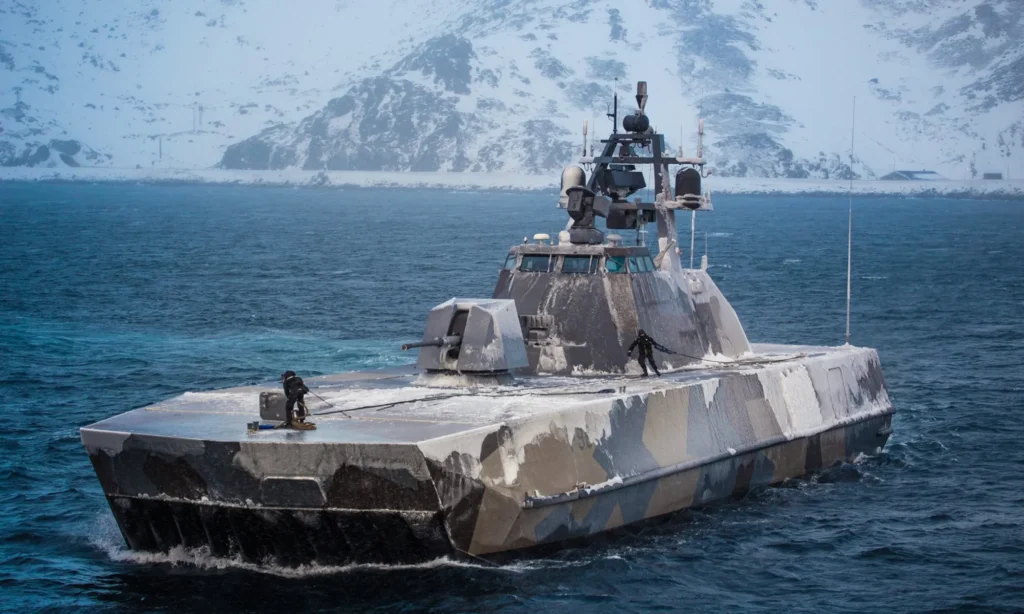
    Sweden’s CB90-class boats, now a global benchmark, emerged in the 1990s as a game-changer. With speeds exceeding 40 knots and modular designs for missiles, machine guns, or troop transport, the CB90 became a symbol of versatility. Finland’s Hamina-class fast attack craft, upgraded in the 2020s with torpedoes and advanced sensors, took this further, blending stealth with firepower for operations in icy, cluttered waters Naval News. These evolutions reflect a shift from basic patrol duties to multi-role platforms capable of anti-submarine warfare, surface combat, and even land-attack missions.

    I recall visiting a naval base in Karlskrona, Sweden, where a CB90 was docked. The crew proudly showed off its compact radar and missile launchers, explaining how it could vanish into the archipelago in seconds. It was a reminder that in the Baltic, where every island could hide a threat, FABs are the navy’s equivalent of a Swiss Army knife.

    Key Features of Baltic Fast Attack Boats

    What makes FABs so effective in the Baltic? It’s all about design tailored to the region’s unique challenges. Here’s a breakdown of their defining features:

    • Speed and Agility: FABs like the CB90 or Hamina-class can exceed 40 knots, allowing rapid response and evasion. Their shallow draught lets them navigate close to shorelines or through narrow channels.
    • Stealth Technology: Modern FABs use radar-absorbing materials and low profiles to minimize detection. For example, Finland’s Hamina-class boasts a reduced radar cross-section, making it harder for enemies to lock on Kongsberg.
    • Versatile Armament: From anti-ship missiles (like the Gabriel V on the Hamina-class) to remote-controlled weapon stations, FABs pack a punch despite their size. They can engage submarines, surface ships, or even land targets.
    • Modularity: Many FABs are designed with modular systems, allowing quick reconfiguration for missions like troop transport, mine-laying, or reconnaissance. Sweden’s CB90, for instance, can switch from assault to patrol in hours Saab.
    • Littoral Focus: Built for shallow waters, FABs thrive in the Baltic’s complex geography, where larger vessels risk running aground.

    These features make FABs ideal for “hit-and-run” tactics, where they strike quickly and disappear before enemies can retaliate. In a region where Russia’s Kilo-class submarines and Bal missile systems pose constant threats, this agility is a strategic advantage The National Interest.

    Comparing Baltic Fast Attack Boats

    To understand the diversity of FABs in Baltic navies, let’s compare some key players in a table. This highlights how different nations tailor their vessels to specific needs.

    Vessel ClassCountryLength (m)Speed (knots)Key ArmamentUnique FeaturePrimary Role
    CB90Sweden15.940+Hellfire missiles, 12.7mm machine gunsModular design for multiple rolesAssault, patrol, troop transport
    Hamina-classFinland5130+Gabriel V missiles, TP 47 torpedoesAdvanced sonar for anti-submarine warfareSurface combat, ASW
    Skrunda-classLatvia252012.7mm machine gunsConverted for command and controlPatrol, command support
    Vidar-classLithuania56.812None (minesweeping focus)Mine countermeasures supportMine warfare, command

    This table shows the spectrum of FAB capabilities, from Sweden’s high-speed, multi-role CB90 to Latvia’s more specialized Skrunda-class. Finland’s Hamina-class stands out for its anti-submarine capabilities, critical in a region where Russian submarines are a constant concern Naval News.

    Strategic Roles of Fast Attack Boats in Baltic Navies

    Baltic navies deploy FABs in diverse roles, reflecting the region’s complex security environment. Here’s how they’re used:

    • Territorial Defense: FABs patrol coastal waters to deter incursions and protect key infrastructure like ports and offshore platforms. Estonia’s small fleet, for instance, focuses on securing its maritime borders against smuggling or hybrid threats.
    • Anti-Submarine Warfare (ASW): With Russia’s Kilo-class submarines lurking in the Baltic, FABs like the Hamina-class use advanced sonars and torpedoes to counter underwater threats Kongsberg.
    • Asymmetric Warfare: In a conflict, FABs can conduct guerrilla-style operations, using speed and stealth to harass larger enemy ships. This was a key tactic during Cold War-era planning against Soviet fleets.
    • Support for NATO Operations: Baltic nations, especially NATO members like Estonia and Lithuania, integrate FABs into joint exercises like BALTOPS, enhancing interoperability with allies NATO Maritime Command.
    • Special Forces Operations: Vessels like the CB90 are ideal for inserting special forces into contested areas, as seen in Ukraine’s use of donated CB90s for raids in the Black Sea Army Recognition.

    A personal anecdote: during a NATO exercise I observed off Gotland, Swedish CB90s simulated an amphibious assault, zipping past larger frigates with ease. The sight of these small boats outmaneuvering destroyers drove home their strategic value in asymmetric warfare.

    Challenges and Limitations of Fast Attack Boats

    While FABs are versatile, they’re not without challenges. Their small size limits endurance, often requiring frequent resupply. Harsh Baltic winters, with ice-covered waters, can also hamper operations, as seen with Finland’s Hamina-class, which sacrifices some ice-breaking capability for speed Naval News. Additionally, their reliance on advanced electronics makes them vulnerable to cyber-attacks or electronic warfare, a growing concern given Russia’s capabilities.

    Another issue is cost. Upgrading vessels like the Hamina-class with new missiles and sonars is expensive, straining smaller navies like Latvia’s. During my visit to Karlskrona, a Swedish officer mentioned the delicate balance of maintaining FABs while funding larger projects like submarines. Finally, FABs are less effective in open-sea engagements, where larger ships dominate. This limits their role to coastal defense, making them a complement rather than a replacement for blue-water navies.

    The Future of Fast Attack Boats in the Baltic

    The future of FABs in the Baltic is bright, driven by technological advancements and evolving threats. Here are some trends to watch:

    • Unmanned Systems Integration: Baltic navies are exploring unmanned surface vessels (USVs) to complement FABs. These drones can extend reconnaissance range or act as decoys, enhancing FAB survivability.
    • Enhanced Firepower: New missiles like the Gabriel V offer greater range and precision, allowing FABs to engage targets at a distance IAI.
    • Green Technology: Sweden is experimenting with hybrid propulsion for CB90s, reducing fuel consumption and emissions, aligning with the EU’s Blue Growth strategy HELCOM.
    • Joint Operations: As Baltic states deepen NATO integration, FABs will play a larger role in multinational task forces, requiring standardized systems and training.

    I envision a future where FABs operate in “swarms,” combining manned and unmanned vessels to overwhelm adversaries. This could redefine naval warfare in the Baltic, where numbers and coordination matter as much as raw power.

    FAQ: Fast Attack Boats in the Baltic

    Q: Why are fast attack boats so important for Baltic navies?
    A: The Baltic Sea’s shallow waters and complex geography favor small, agile vessels. FABs provide rapid response, stealth, and versatility for tasks like territorial defense, anti-submarine warfare, and special operations, making them ideal for the region’s unique challenges.

    Q: How do Baltic FABs compare to larger naval ships?
    A: FABs excel in coastal environments due to their speed and maneuverability but lack the endurance and firepower of larger ships like frigates. They’re designed for quick, targeted missions rather than prolonged open-sea operations.

    Q: Which Baltic nation has the most advanced FABs?
    A: Sweden and Finland lead with the CB90 and Hamina-class, respectively. Both incorporate cutting-edge stealth, sensors, and weaponry, tailored for the Baltic’s littoral zones.

    Q: Can FABs counter modern threats like drones or submarines?
    A: Yes, modern FABs like the Hamina-class are equipped with advanced sonars and torpedoes for anti-submarine warfare. They can also integrate anti-drone systems, though electronic warfare remains a challenge.

    Q: How do NATO exercises benefit Baltic FABs?
    A: Exercises like BALTOPS enhance interoperability, allowing Baltic FABs to coordinate with NATO allies. This strengthens collective defense and ensures FABs can operate in multinational task forces.

    Conclusion: The Unsung Heroes of the Baltic

    Fast attack boats may not grab headlines like aircraft carriers or submarines, but in the Baltic Sea, they’re the unsung heroes of naval defense. Their speed, stealth, and versatility make them indispensable for nations navigating a region fraught with geopolitical tension. From Sweden’s CB90 darting through archipelagos to Finland’s Hamina-class hunting submarines, these vessels embody the Baltic’s unique blend of innovation and resilience. As I reflect on my time observing these boats in action, I’m struck by their ability to punch above their weight, turning small size into a strategic advantage.

    For Baltic navies, the future lies in embracing new technologies—unmanned systems, hybrid propulsion, and advanced weaponry—while deepening NATO ties. Whether you’re a defense enthusiast or a policymaker, keeping an eye on FAB developments offers insights into the evolving nature of naval warfare. Next steps? Explore resources like Naval News or USNI Proceedings to stay updated, or consider attending a NATO exercise to witness these boats in action. The Baltic’s waves are alive with stories of speed and strategy—dive in and discover them.

  • Estonia’s Naval Procurement in 2025: Charting New Waters

    Baltic Defence Review

    Estonia’s Naval Procurement in 2025: Charting New Waters

    Imagine standing on the rocky shores of Tallinn, the Baltic Sea stretching out before you, its waves whispering tales of history and resilience. Estonia, a small nation with a big heart, has always relied on these waters—not just for trade and connection, but for security and survival. In 2025, Estonia’s navy, the Merevägi, is making waves of its own, embarking on an ambitious journey to modernize and expand its fleet. This isn’t just about new ships or shiny tech; it’s about a nation fortifying its defenses in a region where tensions simmer beneath the surface. Let’s dive into the story of Estonia’s naval procurement updates for 2025, exploring the why, what, and how of this pivotal moment in the country’s maritime history.

    Why Estonia’s Navy Matters More Than Ever

    Estonia’s coastline, the ninth longest among European NATO members, stretches along the Baltic Sea, a geopolitical hotspot where NATO and Russia keep a wary eye on each other. The Baltic has been dubbed a “NATO lake” since Sweden and Finland joined the alliance, but the presence of Russia’s “shadow fleet”—unregulated vessels dodging sanctions—has raised alarms. In April 2025, the Estonian navy detained the Kiwala, a Russia-bound oil tanker on the EU sanctions list, highlighting the real-world challenges the Merevägi faces Reuters. This incident underscores why Estonia is doubling down on its naval capabilities: to protect its waters, secure critical infrastructure like the Estlink 1 power cable, and counter hybrid threats.

    The Merevägi isn’t just about defense; it’s a symbol of national pride. From its founding in 1918 to its reestablishment in 1993 after Soviet occupation, the navy has been a cornerstone of Estonia’s sovereignty. Today, with only eight commissioned ships and a displacement under 10,000 tonnes, it’s one of the smallest navies globally Wikipedia. Yet, its role in NATO’s Standing Mine Countermeasures Group 1 (SNMCMG1) and regional cooperation with Latvia and Lithuania proves that size isn’t everything. Estonia’s naval procurement in 2025 is about punching above its weight, ensuring it can handle everything from mine clearance to countering Russia’s shadowy maritime maneuvers.

    A New Fleet on the Horizon

    The 10-Year Plan: Building a Modern Navy

    Estonia is crafting a bold 10-year naval development plan, set to be finalized in the second half of 2025, aiming to expand its fleet to 10–12 vessels by 2035. Commodore Ivo Vark, appointed Commander of the Estonian Navy in June 2024, is steering this vision. In an interview with Naval News, Vark outlined a two-pronged approach: three larger, 100-meter vessels for ocean patrol and nine smaller, 55–60-meter ships for coastal operations Naval News. These ships will be modular, capable of tasks like mine countermeasures, surveillance, and anti-ship warfare, reflecting Estonia’s need for versatility in a dynamic threat environment.

    The plan isn’t just about numbers; it’s about strategic fit. Estonia’s geography—shallow waters, narrow straits, and proximity to Russia—demands ships that can operate in challenging conditions. The navy is also learning from the war in Ukraine, where rapid mobility and long-range precision have proven critical. This is why Estonia is prioritizing homegrown solutions, with Minister of Defense Hanno Pevkur emphasizing that new vessels should be built locally by companies like Baltic Workboats and BLRT ERR News.

    Recent Acquisitions and Upgrades

    Estonia’s naval procurement isn’t starting from scratch. In 2020, the navy welcomed two force protection vessels, Risto and Roland, built by Baltic Workboats. These ships, delivered in just eight months, are equipped for tasks like securing NATO vessels in port and supporting civilian crises Kaitseministeerium. The speed of this project showcased Estonia’s efficiency and boosted its shipbuilding industry, opening doors to international markets.

    In 2021, Estonia signed contracts for naval mines and Blue Spear 5G SSM anti-ship missiles, enhancing its coastal defense. The Blue Spear, developed by Israel Aerospace Industries and ST Engineering, boasts a 290-kilometer range and GPS-independent navigation, making it a formidable deterrent Army Recognition. These acquisitions align with Estonia’s focus on mine countermeasures—a priority given the 80,000 sea mines laid in the Baltic during the World Wars, with over 1,200 cleared since 1995.

    The EUROGUARD Project: Pioneering Autonomy

    One of the most exciting developments is Estonia’s leadership in the EUROGUARD project, a €95 million European Defence Fund initiative to develop a 43–45-meter semi-autonomous surface vessel (USV). Launched in January 2024, the project involves 23 companies across 10 EU nations, with Baltic Workboats leading the charge. The prototype, set for sea trials by 2027, will feature remote control systems and capabilities like autonomous navigation and threat detection Naval Today. Commodore Vark sees EUROGUARD as a testbed for how far uncrewed systems can push naval warfare, potentially revolutionizing Estonia’s maritime strategy.

    Challenges and Opportunities

    Financial Hurdles

    Estonia’s defense budget is robust for its size—5.4% of GDP in 2025, second only to Poland among NATO allies Breaking Defense. Yet, funding a naval expansion is no small feat. The €7.9 billion defense plan for 2025–2029 allocates €1.6 billion for ammunition alone, leaving the navy to compete for resources. Vark has acknowledged that not all ships will be replaced within the 10-year timeframe, but he’s pushing to secure funding for at least two new vessels soon. The postponement of replacing the Pikker vessel to 2029 highlights these financial constraints ERR News.

    Regional Collaboration

    Estonia isn’t going it alone. The Baltic states—Estonia, Latvia, and Lithuania—share training resources, like the Baltic Naval Communications School in Tallinn and the Diving Training Centre in Liepāja, Latvia. The Baltic Naval Squadron (BALTRON) fosters cooperation, with each nation contributing ships to NATO-led operations. Estonia’s leadership in EUROGUARD also strengthens ties with EU partners, ensuring interoperability and shared innovation.

    The Russian Threat

    Russia’s shadow fleet remains a persistent challenge. Incidents like the Kiwala detention and suspected sabotage of undersea cables have heightened Estonia’s vigilance. The navy’s ability to patrol the Gulf of Finland and protect critical infrastructure is non-negotiable. Investments in anti-ship missiles and naval mines are direct responses to these threats, aiming to deter Russia’s maritime provocations.

    Comparison Table: Estonia’s Current vs. Planned Naval Fleet

    AspectCurrent Fleet (2025)Planned Fleet (2035)
    Number of Vessels8 (3 minehunters, 1 minelayer, 2 force protection vessels, 2 patrol vessels)10–12 (3 large ocean patrol vessels, 7–9 smaller coastal vessels)
    Vessel TypesMinehunters (Sandown-class), force protection vessels, patrol vesselsModular vessels for mine countermeasures, surveillance, anti-ship warfare
    Key CapabilitiesMine clearance, force protection, limited coastal patrolOcean patrol, autonomous operations, advanced missile systems
    DisplacementUnder 10,000 tonnesLikely increased, exact figures TBD
    Primary FocusMine countermeasures, NATO exercisesMulti-role operations, regional deterrence
    Example VesselsEML Admiral Cowan, Risto, RolandEUROGUARD USV, new 100m and 55–60m vessels

    This table illustrates Estonia’s shift from a specialized, small-scale navy to a more versatile and robust force, capable of addressing diverse threats while maintaining its NATO commitments.

    Innovations on the Horizon

    Uncrewed Systems and AI

    Estonia is betting big on technology. The EUROGUARD project is just the start—smaller USVs like EUROMITE, developed by Sirentech Solutions, are being tested for intelligence, surveillance, and reconnaissance (ISR) roles. These prototypes, funded by the defense ministry in 2025, could redefine how Estonia patrols its waters. Meanwhile, the navy is integrating AI into its Maritime Integrated C31 System, enhancing situational awareness and decision-making Kaitseministeerium.

    Local Shipbuilding

    Building ships in Estonia isn’t just practical—it’s strategic. Companies like Baltic Workboats and BLRT are gaining global recognition, and local production ensures economic benefits and supply chain security. Minister Pevkur’s push for domestic shipbuilding aligns with Estonia’s tech-savvy ethos, fostering innovation and job creation.

    Anti-Submarine Warfare (ASW)

    While mine countermeasures remain a priority, Estonia is exploring ASW capabilities. The shallow Baltic waters pose unique challenges, but Vark has hinted at R&D projects to counter submarine threats, potentially through sensors or smaller USVs. This is a long-term goal, but it signals Estonia’s intent to stay ahead of evolving threats.

    A Personal Reflection: Why This Matters

    I remember visiting Tallinn a few years ago, standing by the Mine Harbor where the Merevägi is based. The sight of the EML Admiral Cowan, a modest minehunter named after a British officer who aided Estonia’s independence, was a reminder of how history shapes the present. Estonia’s navy isn’t just about ships; it’s about a nation that’s fought for its place in the world. The 2025 procurement updates feel like a continuation of that fight—a commitment to protect not just borders, but a way of life. For Estonians, the sea is both a lifeline and a frontline, and these investments reflect that duality.

    FAQ: Your Questions About Estonia’s Naval Procurement Answered

    Q: Why is Estonia investing so heavily in its navy despite its small size?
    A: Estonia’s location on the Baltic Sea, near Russia, makes naval defense critical. The navy protects trade routes, undersea infrastructure, and counters hybrid threats like Russia’s shadow fleet. With NATO membership, Estonia also contributes to regional security, requiring a capable fleet.

    Q: What types of ships are planned for the 2035 fleet?
    A: The plan includes three 100-meter ocean patrol vessels for multi-role operations and 7–9 smaller 55–60-meter coastal vessels. These will be modular, supporting tasks like mine countermeasures, surveillance, and anti-ship warfare.

    Q: How does the EUROGUARD project fit into Estonia’s strategy?
    A: EUROGUARD is developing a semi-autonomous surface vessel for tasks like navigation and threat detection. It positions Estonia as a leader in naval innovation and enhances its ability to patrol efficiently with fewer crew.

    Q: Can Estonia afford this naval expansion?
    A: Estonia’s defense budget, at 5.4% of GDP, is among NATO’s highest. While funding is tight, the government prioritizes defense, with €7.9 billion allocated for 2025–2029. Local shipbuilding and EU partnerships help manage costs.

    Q: How does Estonia’s navy collaborate with NATO and Baltic allies?
    A: The Merevägi participates in NATO’s SNMCMG1 and BALTRON, sharing resources with Latvia and Lithuania. Joint exercises and projects like EUROGUARD ensure interoperability and collective defense.

    Q: What role do naval mines and missiles play?
    A: Naval mines and anti-ship missiles like the Blue Spear 5G SSM are key to Estonia’s coastal defense strategy, deterring threats and protecting critical infrastructure. Mines are especially vital given the Baltic’s history of mine warfare.

    Conclusion: Navigating the Future

    Estonia’s naval procurement in 2025 is more than a military upgrade—it’s a statement of resilience and ambition. From the EUROGUARD project’s cutting-edge autonomy to the strategic acquisition of missiles and mines, the Merevägi is transforming into a force that can protect Estonia’s shores and contribute to NATO’s mission. The challenges are real: financial constraints, regional tensions, and the complexities of modernizing a small navy. Yet, Estonia’s history of innovation and cooperation suggests it’s up to the task.

    For readers interested in following this journey, keep an eye on updates from the Estonian Ministry of Defense or Naval News for the latest on the 10-year plan. If you’re in Estonia, consider attending events like NAVY TECH 2025 in Helsinki to see the region’s naval innovations firsthand Optics11. For policymakers or enthusiasts, engaging with Estonia’s defense community—whether through forums or research—can offer deeper insights into how small nations can make a big impact.

    As the Baltic Sea continues to be a stage for geopolitical drama, Estonia’s navy is ready to play its part, not just as a defender, but as a pioneer. The waves may be rough, but Estonia is charting a course toward a stronger, smarter maritime future.