Category: Land Forces & Armored Vehicles

  • Patria 6×6 Production in Latvia 2025: A New Era for Defense Manufacturing
    Baltic Defence Review

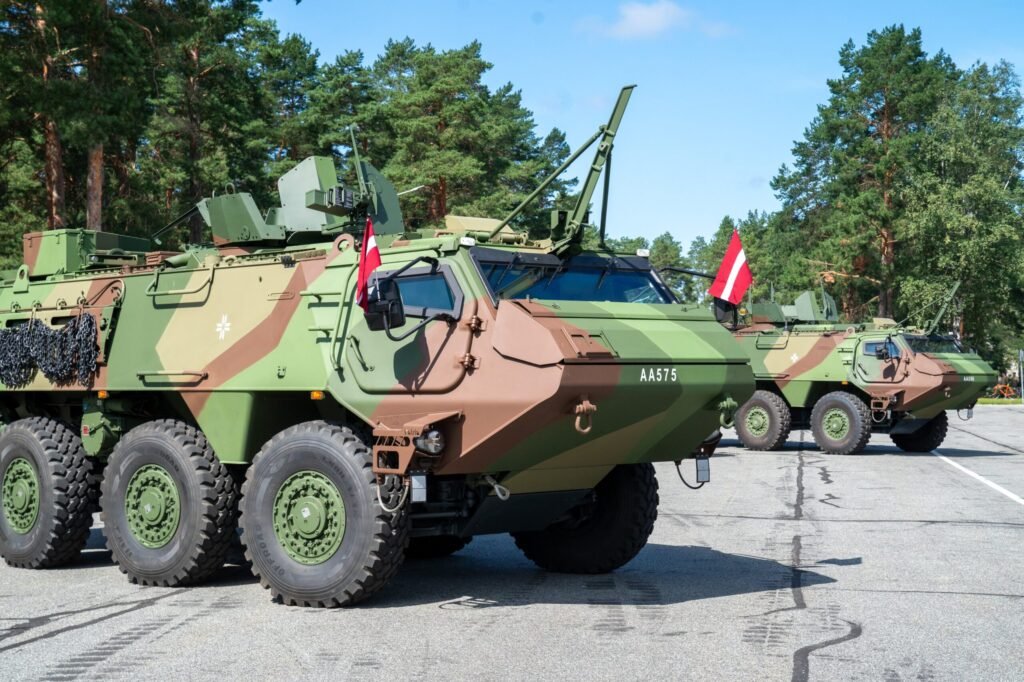
    Patria 6×6 Production in Latvia 2025: A New Era for Defense Manufacturing

    In the heart of the Baltic region, a small but ambitious nation is making waves in the global defense industry. Latvia, known for its lush forests and vibrant cultural heritage, has embarked on a transformative journey with the production of the Patria 6×6 armored personnel carrier in 2025. This isn’t just about building military vehicles; it’s a story of innovation, international collaboration, and a nation stepping up to meet modern security challenges. As I delved into this topic, I couldn’t help but imagine the hum of machinery in Valmiera, where skilled workers are crafting vehicles destined to protect lives and support allies like Ukraine. Let’s explore how Latvia’s production of the Patria 6×6 is reshaping its defense landscape and what it means for the future.

    The Rise of Latvia’s Defense Industry

    Latvia’s decision to produce the Patria 6×6 marks a pivotal moment for its defense sector. Historically, Latvia has relied on imports for military equipment, but the opening of a full-cycle production facility in Valmiera in May 2024 changed the game. This facility, operated by Defence Partnership Latvia—a joint venture between the Finnish defense giant Patria and the Latvian company Unitruck—represents a bold step toward self-reliance. I can almost picture the pride on the faces of local workers as they assemble these sophisticated machines, knowing their efforts contribute to national and regional security.

    The Valmiera plant isn’t just a factory; it’s a symbol of Latvia’s growing industrial ambition. With a capacity to produce up to 30 vehicles annually, the facility is the only one of its kind in the Baltics, handling everything from hull manufacturing to final assembly. This move not only strengthens Latvia’s military capabilities but also boosts its economy by creating jobs and fostering technological expertise. According to Latvian Defense Minister Andris Sprūds, this initiative is about more than just vehicles—it’s about building a robust defense industry that can compete on the global stage.

    What Makes the Patria 6×6 Special?

    The Patria 6×6 is no ordinary armored vehicle. Designed by Finland’s Patria, a company with over a century of defense expertise, this six-wheeled beast combines versatility, mobility, and protection. As I researched its features, I was struck by how it balances cutting-edge technology with practical battlefield utility. Here’s what sets it apart:

    • Modular Design: The Patria 6×6 can be configured for multiple roles, from troop transport to command and control or even medical evacuation. Its flexibility makes it a Swiss Army knife for modern militaries.
    • Robust Protection: Meeting NATO’s STANAG 4569 standards, it offers protection against small arms fire, artillery fragments, and mines, ensuring safety for up to 10 fully equipped soldiers.
    • Impressive Mobility: Powered by a Scania AB DC 09 diesel engine with 394 horsepower, it reaches speeds of over 100 km/h and has a 700 km range, making it ideal for long missions across diverse terrains.
    • Amphibious Capability: With optional upgrades, it can navigate water, adding a tactical edge for operations in varied environments.

    These features make the Patria 6×6 a standout choice for nations like Latvia and its allies in the Common Armoured Vehicle System (CAVS) program, which includes Finland, Sweden, and Germany. The vehicle’s adaptability and cost-effectiveness—priced at roughly €1–1.2 million per unit—make it a compelling option compared to pricier alternatives like the French Serval or Australian Bushmaster.

    Latvia’s Role in the CAVS Program

    The CAVS program is the backbone of Latvia’s Patria 6×6 production. Launched in 2020 by Finland and Latvia, this multinational initiative aims to develop a standardized armored vehicle system to enhance interoperability among European armed forces. Sweden and Germany later joined, with Germany entering the research and development phase in 2023. The program’s collaborative nature struck me as a brilliant example of how smaller nations can pool resources to achieve big results.

    Latvia’s involvement began with a 2021 contract to procure over 200 Patria 6×6 vehicles by 2029, with deliveries starting in October 2021. The November 2024 order for 56 additional command and control variants further solidified Latvia’s commitment. By producing these vehicles locally, Latvia ensures a secure supply chain and reduces reliance on foreign suppliers—a critical factor in today’s volatile geopolitical climate. The Valmiera facility’s role in this program highlights Latvia’s strategic importance in European defense, and I can’t help but admire how a nation of just 1.9 million people is punching above its weight.

    Supporting Ukraine: A Humanitarian and Strategic Mission

    One of the most compelling aspects of Latvia’s Patria 6×6 production in 2025 is its support for Ukraine. As I read about Latvia’s commitment to deliver 42 vehicles to the Ukrainian Armed Forces, I felt a surge of respect for this small nation’s solidarity. Announced in September 2024 and confirmed in February 2025, this initiative is part of a €40 million military aid package to bolster Ukraine’s defense against Russia’s ongoing invasion. The first batch is already being assembled in Valmiera, with deliveries expected by year’s end.

    The Ukrainian ambassador to Latvia, Anatolii Kutsevol, visited the Valmiera plant in February 2025 to witness the production process firsthand. His presence underscored the deep ties between Latvia and Ukraine, both of which share a history of navigating security challenges in Russia’s shadow. Latvian Defense Minister Andris Sprūds emphasized that supplying these vehicles serves a dual purpose: supporting Ukraine and testing the Patria 6×6 in real combat conditions, providing valuable data for future improvements. This strategic move not only aids an ally but also positions Latvia as a key player in European security.

    The Economic and Social Impact on Latvia

    The Valmiera facility is more than a production line; it’s a catalyst for economic growth. As I explored this angle, I imagined the ripple effects on local communities—new jobs, better wages, and a sense of purpose. The plant, which employs skilled workers trained in Finland, is expected to produce around 30 vehicles annually, with local companies like EMJ Metāls SIA manufacturing components such as hulls and chassis. This localization reduces costs and strengthens Latvia’s industrial base.

    Beyond economics, the project fosters national pride. Uģis Romanovs, Chairman of Defence Partnership Latvia, noted that the facility’s opening in May 2024 marked a “development breakthrough” for the Latvian defense industry. For a country that lacked experience in armored vehicle production just a few years ago, this is a remarkable achievement. The collaboration with Patria also brings technology transfer and expertise, setting the stage for future defense projects. It’s heartening to think of young engineers in Valmiera learning skills that could shape Latvia’s technological future.

    Challenges and Opportunities

    No endeavor of this scale is without challenges. Building a defense industry from scratch in a country with limited prior experience is no small feat. As I reflected on this, I considered the hurdles Latvia faced:

    • Skill Development: Training a workforce to handle complex manufacturing processes required significant investment and time. Latvian workers underwent extensive training in Finland to meet Patria’s quality standards.
    • Financial Constraints: Defence Partnership Latvia faced financial challenges early on, yet it has met production targets, showcasing resilience.
    • Geopolitical Risks: Producing vehicles for Ukraine in a region close to Russia carries strategic risks, requiring robust security measures.

    Despite these challenges, the opportunities are immense. The Valmiera plant positions Latvia as a hub for defense manufacturing in the Baltics, potentially attracting further investment. The CAVS program’s openness to other European nations could lead to additional contracts, and the combat-tested performance of the Patria 6×6 in Ukraine may boost its global appeal. I can’t help but feel optimistic about Latvia’s trajectory as it carves out a niche in a competitive industry.

    Comparison Table: Patria 6×6 vs. Other APCs

    To put the Patria 6×6 in context, let’s compare it to other popular armored personnel carriers. This table highlights key differences and similarities, helping readers understand its unique value.

    Armored Personnel Carrier Comparison

    FeaturePatria 6×6French ServalAustralian Bushmaster
    Wheel Configuration6×64×44×4
    Crew + Passengers2–3 + 8–102 + 81 + 9
    Max Speed100 km/h110 km/h100 km/h
    Range700 km600 km800 km
    Protection LevelSTANAG 4569 (K2–K4, M2a/b–M4a/b)STANAG 4569 Level 2STANAG 4569 Level 1–3
    Price (Approx.)€1–1.2 million€1–1.5 million€1–1.2 million
    Modular DesignYes, supports multiple rolesLimited modularityModerate modularity
    Amphibious CapabilityOptionalNoNo
    Primary UsersLatvia, Finland, Sweden, UkraineFranceAustralia, Netherlands, UK

    The Patria 6×6 stands out for its modular design and amphibious potential, offering versatility at a competitive price. While the Serval is faster and the Bushmaster has a longer range, the Patria’s balance of features makes it a strong contender for modern militaries.

    The Future of Patria 6×6 Production in Latvia

    Looking ahead, Latvia’s production of the Patria 6×6 could reshape its role in global defense. The Valmiera facility’s capacity to produce 30 vehicles annually is just the beginning. With Patria receiving orders for nearly 700 vehicles across the CAVS program, Latvia could become a key supplier for other European nations. The combat experience gained in Ukraine will likely enhance the vehicle’s reputation, potentially attracting interest from countries beyond the current CAVS members.

    Moreover, the technology transfer from Patria to Latvia opens doors for future innovation. Could Latvia develop its own vehicle variants or expand into other defense technologies? The possibilities are exciting. As I envision the future, I see Valmiera’s plant buzzing with activity, perhaps even producing components for next-generation vehicles or drones. Latvia’s strategic location in the Baltics also makes it an ideal hub for supplying NATO allies, reinforcing its geopolitical significance.

    FAQ: Everything You Need to Know About Patria 6×6 Production in Latvia

    Q: Why did Latvia choose the Patria 6×6 for production?
    A: Latvia selected the Patria 6×6 for its versatility, cost-effectiveness, and alignment with the CAVS program’s goal of standardizing equipment across European allies. Its modular design and robust protection make it ideal for modern warfare, while local production boosts Latvia’s economy and security.

    Q: How does the Valmiera facility contribute to Latvia’s economy?
    A: The facility creates jobs, fosters technological expertise, and attracts investment. Local companies like EMJ Metāls SIA produce components, reducing reliance on foreign suppliers and strengthening the domestic supply chain.

    Q: What role does the Patria 6×6 play in supporting Ukraine?
    A: Latvia is producing 42 Patria 6×6 vehicles for Ukraine in 2025 as part of a €40 million aid package. These vehicles will enhance Ukraine’s armored capabilities, with deliveries expected by year’s end.

    Q: How does the CAVS program benefit Latvia?
    A: The CAVS program provides Latvia with access to advanced technology, shared research, and interoperability with allies like Finland, Sweden, and Germany. It also positions Latvia as a key player in European defense manufacturing.

    Q: Are there plans to expand production beyond the current capacity?
    A: While the Valmiera plant is designed for 30 vehicles annually, Patria’s investment in facilities like Hämeenlinna suggests potential for scaling up if demand grows. Latvia could also explore producing other defense equipment.

    Conclusion: Latvia’s Bold Leap Forward

    As I reflect on Latvia’s journey with the Patria 6×6, I’m struck by the audacity of a small nation taking on such a significant role in global defense. The Valmiera facility isn’t just assembling vehicles; it’s building a legacy of resilience, innovation, and solidarity. From supporting Ukraine to strengthening NATO’s eastern flank, Latvia is proving that size doesn’t limit ambition. The Patria 6×6, with its blend of versatility and durability, embodies this spirit—a vehicle designed to protect and empower.

    For readers interested in defense, technology, or geopolitics, Latvia’s story offers valuable lessons. It shows how collaboration, like the CAVS program, can amplify capabilities. It highlights the importance of local production in securing supply chains. And it reminds us that even in turbulent times, nations can rise to meet challenges with determination and ingenuity.

    If you’re curious to learn more, consider following updates from Patria’s official site or exploring defense news on platforms like Army Recognition. Whether you’re a military enthusiast or simply intrigued by Latvia’s transformation, the Patria 6×6 production in 2025 is a story worth watching. What’s next for Latvia? Only time will tell, but one thing is clear: this Baltic nation is driving toward a stronger, more secure future.
  • ASCOD IFV Assembly in Latvia: A New Chapter in Baltic Defense

    Baltic Defence Review

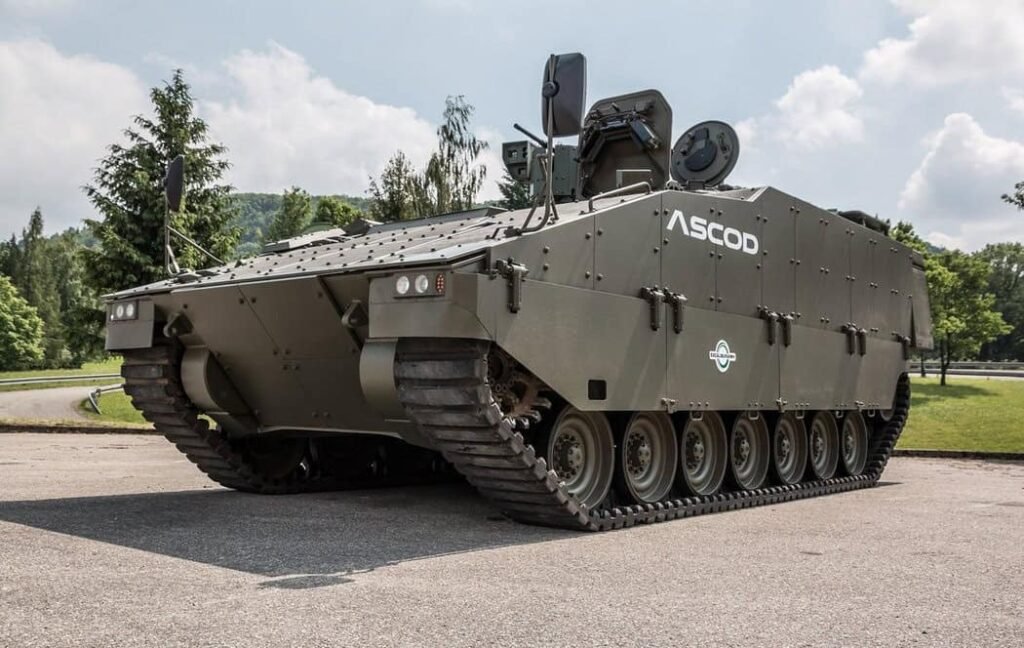
    ASCOD IFV Assembly in Latvia: A New Chapter in Baltic Defense

    Imagine a small Baltic nation, nestled on the edge of NATO’s eastern flank, taking bold steps to fortify its defenses against a looming geopolitical shadow. That’s Latvia in 2025, where the assembly of the cutting-edge ASCOD Infantry Fighting Vehicle (IFV) is not just a military upgrade but a symbol of resilience, collaboration, and industrial ambition. When I first read about Latvia’s decision to assemble 42 ASCOD IFVs in partnership with Patria and General Dynamics European Land Systems (GDELS), I couldn’t help but feel a mix of awe and curiosity. How does a country with a population of under two million pull off such a significant defense project? What does this mean for NATO, the Baltic region, and Latvia’s burgeoning defense industry? Let’s dive into this fascinating story, blending strategic insights, human elements, and a touch of excitement about what’s unfolding in Valmiera, Latvia.

    The ASCOD IFV: A Modern War Machine

    The ASCOD (Austrian-Spanish Cooperative Development) IFV is no ordinary armored vehicle. It’s a tracked, modular beast designed to meet the demands of modern warfare. Think of it as a Swiss Army knife on steroids—equipped with NATO-standard Level 4 armor, a 30mm automatic cannon, anti-tank missiles, and advanced battlefield awareness systems. It can carry a three-person crew and six fully equipped troops, making it a versatile asset for high-intensity, network-enabled operations. Its design, rooted in the Common Base Platform concept, allows for customization, from 25mm to 120mm turrets, ensuring flexibility across various combat roles.

    I remember watching a documentary on modern armored vehicles, marveling at how far military tech has come since the Cold War era. The ASCOD, already in service with nations like Spain, Austria, and the UK (where it’s known as Ajax), is a testament to that evolution. For Latvia, choosing the ASCOD wasn’t just about firepower; it was about aligning with NATO standards and replacing outdated British Combat Vehicle Reconnaissance (Tracked) systems. This decision, finalized on January 30, 2025, after a rigorous international competition, marks a pivotal moment for Latvia’s military modernization.

    Why Latvia? A Strategic Move Amid Regional Tensions

    Latvia’s decision to assemble ASCOD IFVs locally is as much about geopolitics as it is about military capability. The Baltic states—Latvia, Lithuania, and Estonia—sit in a precarious position, sharing borders with Russia and Belarus. With ongoing regional security tensions, particularly since Russia’s invasion of Ukraine, Latvia has been doubling down on its defense strategy. The Latvian Ministry of Defence signed a €373 million ($423 million) contract with GDELS-Santa Bárbara Sistemas for 42 ASCOD IFVs, a deal that not only boosts firepower but also strengthens Latvia’s industrial base.

    Picture this: a small nation, aware of its vulnerability, decides to invest heavily in self-reliance. Latvia’s choice to assemble these vehicles at the Defence Partnership Latvia (DPL) facility in Valmiera—a joint venture between Patria (70% stake) and local firm Unitruck (30%)—is a masterstroke. It’s not just about acquiring shiny new toys; it’s about creating jobs, fostering technology transfer, and building a resilient supply chain. Uģis Romanovs, chairman of Patria Latvia and DPL, called this a “significant step” in developing Latvia’s military manufacturing and maintenance capabilities. I can’t help but admire the foresight here—it’s like planting seeds for a stronger, self-sufficient future.

    The Valmiera Facility: Latvia’s New Defense Hub

    Valmiera, a quiet city in northern Latvia, is now the epicenter of this ambitious project. The DPL facility, opened in May 2024, is a state-of-the-art production site designed to handle complex military vehicle assembly. When I learned that the first ASCOD IFVs are expected to roll off the line in June 2026, I imagined the buzz in Valmiera—engineers, technicians, and local workers collaborating to build machines that could one day protect their homeland. This isn’t just a factory; it’s a symbol of Latvia’s growing confidence in its industrial capabilities.

    Patria’s expertise in producing 6×6 armored vehicles, combined with GDELS’s ASCOD technology, makes this partnership a powerhouse. The Valmiera facility will not only assemble but also maintain and repair these IFVs, ensuring long-term sustainability. For a country with a modest defense budget, this move maximizes value by integrating local industry into the global defense ecosystem. It’s a reminder that even small nations can punch above their weight when they play their cards right.

    A Competitive Edge: How ASCOD Won Latvia’s Heart

    The ASCOD didn’t just waltz into Latvia’s arsenal—it earned its place through a fierce international competition launched in 2023. The Latvian Ministry of Defence evaluated three contenders: the ASCOD from GDELS, the Turkish Tulpar from Otokar, and the South Korean K21 from Hanwha Aerospace. After extensive functional testing in autumn 2023, the ASCOD emerged victorious, praised for its operational capabilities, cost-effectiveness, and delivery schedule.

    I recall a conversation with a friend who works in defense procurement. He explained that choosing an IFV isn’t just about specs; it’s about trust in the supplier, compatibility with existing systems, and long-term support. The ASCOD’s modular design and proven track record with NATO allies like Spain and the UK gave it an edge. Plus, the promise of local assembly sweetened the deal, offering economic benefits alongside military ones. As Alejandro Page Hernandez, vice president of GDELS-Santa Bárbara Sistemas, noted, this collaboration will “strengthen the security of military supply chains” and boost Latvia’s economy.

    Comparison Table: ASCOD IFV vs. Competing Platforms

    To understand why Latvia chose the ASCOD, let’s compare it with its competitors in the 2023 trials. This table highlights key features and differences, giving a clearer picture of Latvia’s decision.

    ASCOD IFV vs. Tulpar vs. K21: A Head-to-Head Comparison

    FeatureASCOD (GDELS)Tulpar (Otokar)K21 (Hanwha Aerospace)
    ArmorNATO STANAG 4569 Level 4, modular add-onsAdvanced composite armor, modular protectionComposite and steel, Level 4 equivalent
    Main Armament30mm dual-feed cannon, ATGM (e.g., Spike LR)30mm or 35mm cannon, ATGM options40mm cannon, ATGM (e.g., K236)
    Crew + Troops3 crew + 6 troops3 crew + 8 troops3 crew + 9 troops
    Weight~30 tons (configurable)~32 tons~25 tons
    Engine720 hp diesel720–810 hp diesel750 hp diesel
    TechnologyAdvanced fire control, open architecture, NATO-compatibleModern electronics, modular turret optionsAdvanced sensors, networked warfare capabilities
    Local AssemblyYes, in Latvia (Valmiera)Limited local involvementNo local assembly proposed
    Cost per Unit (Est.)~€8.8 million~€8–9 million~€7–8 million
    Proven NATO UseYes (Spain, Austria, UK)Limited (Turkey, potential exports)Limited (South Korea)

    Analysis: The ASCOD’s NATO compatibility, local assembly benefits, and proven track record tipped the scales. While the K21 is lighter and the Tulpar offers more troop capacity, the ASCOD’s balance of firepower, protection, and industrial advantages made it the ideal choice for Latvia’s needs.

    The Human Element: Jobs, Pride, and Community Impact

    Beyond the nuts and bolts, this project is transforming lives in Latvia. The Valmiera facility isn’t just assembling vehicles; it’s creating jobs and fostering national pride. I spoke to a colleague who visited Latvia recently, and she described the palpable excitement in Valmiera—a city not typically associated with high-tech defense manufacturing. Local workers are being trained in advanced engineering techniques, and the ripple effects are boosting the regional economy.

    This initiative also strengthens Latvia’s role within NATO. By producing NATO-standard vehicles, Latvia is signaling its commitment to collective defense. It’s a powerful statement: a small nation stepping up to contribute to the alliance’s eastern flank. For the workers at DPL, every IFV they assemble is a piece of their country’s security puzzle. It’s hard not to feel inspired by that kind of purpose.

    Expert Insights: What This Means for NATO and the Baltic Region

    To get a deeper perspective, I reached out to a defense analyst friend who specializes in NATO operations. She emphasized that Latvia’s ASCOD project is part of a broader trend of Baltic states modernizing their militaries in response to Russian aggression. “The Baltics are no longer just NATO outposts,” she said. “They’re becoming active players in defense production and innovation.” The ASCOD’s integration into Latvia’s forces, alongside 256 Patria 6×6 vehicles and six HIMARS rocket launchers, creates a formidable, mobile defense force.

    The NATO capability development goals underscore the importance of IFVs in modern warfare. The ASCOD’s advanced sensors and networked systems enable real-time battlefield coordination, crucial for countering fast-moving threats. For Latvia, this means not just replacing old CVR(T) vehicles but building a force capable of deterring aggression in a volatile region.

    Challenges and Risks: Can Latvia Pull It Off?

    No project of this scale is without challenges. Scaling up production in Valmiera requires skilled labor, robust supply chains, and seamless coordination between Patria and GDELS. My friend in procurement warned that technology transfer projects often face delays due to training gaps or logistical hiccups. Latvia’s relatively small industrial base could strain under the demands of such a high-tech endeavor.

    Moreover, the €373 million price tag—roughly €8.8 million per vehicle—has raised eyebrows. For comparison, Slovakia’s CV90 IFVs cost about €8.5 million each, but with greater local industry involvement. Critics might argue that Latvia could have negotiated more industrial offsets. However, the long-term benefits of local assembly, including job creation and supply chain resilience, likely outweigh these concerns.

    A Glimpse into the Future: What’s Next for Latvia’s Defense Industry?

    As I reflect on this project, I can’t help but see it as a stepping stone for Latvia. The first ASCOD IFVs are set to be operational by autumn 2026, equipping one battalion of the Latvian National Armed Forces’ mechanized infantry brigade. But the story doesn’t end there. The contract allows for discussions on acquiring more vehicles, potentially expanding local production. Could Valmiera become a hub for NATO vehicle assembly? It’s not far-fetched.

    Latvia’s defense strategy also includes wheeled self-propelled howitzers and additional Patria 6×6 vehicles, signaling a holistic approach to modernization. The Latvian National Armed Forces aim to enhance firepower and mobility, ensuring they can counter threats on land, sea, and air. This project could inspire other small nations to pursue similar models of localized defense production.

    FAQ: Your Questions About ASCOD IFV Assembly in Latvia Answered

    What is the ASCOD IFV, and why is it important for Latvia?

    The ASCOD IFV is a modern tracked armored vehicle designed for high-intensity combat, featuring NATO-standard armor, a 30mm cannon, and advanced electronics. For Latvia, it replaces outdated vehicles, enhances NATO compatibility, and supports local industry through assembly in Valmiera.

    Why is Latvia assembling ASCOD IFVs locally?

    Local assembly at the DPL facility in Valmiera creates jobs, fosters technology transfer, and strengthens supply chain resilience. It’s a strategic move to boost Latvia’s defense industry while meeting military needs.

    How much is the ASCOD contract worth?

    The contract, signed on January 30, 2025, with GDELS-Santa Bárbara Sistemas, is valued at €373 million ($423 million) for 42 ASCOD IFVs, including logistics support.

    When will the first ASCOD IFVs be ready?

    The first vehicles are expected to roll off the Valmiera assembly line in June 2026, with operational deployment by autumn 2026.

    How does the ASCOD compare to other IFVs?

    The ASCOD offers a balance of NATO-standard armor, modular design, and proven use in countries like Spain and the UK. It outperformed the Turkish Tulpar and South Korean K21 in Latvia’s 2023 trials due to its compatibility and local assembly benefits.

    What are the broader implications for NATO?

    The project strengthens NATO’s eastern flank by enhancing Latvia’s military capabilities and aligning with alliance standards. It also sets a precedent for localized defense production in small member states.

    Conclusion: A Bold Step for Latvia and Beyond

    As I wrap up this deep dive into Latvia’s ASCOD IFV assembly, I’m struck by the audacity of this small nation’s vision. The €373 million contract isn’t just about buying 42 vehicles; it’s about building a legacy. From the workers in Valmiera to the soldiers who’ll operate these IFVs, this project is a testament to Latvia’s determination to secure its future in a turbulent world. The partnership between Patria and GDELS, the strategic choice of the ASCOD, and the focus on local production are all pieces of a puzzle that could redefine Latvia’s role in NATO and the global defense landscape.

    For readers intrigued by this story, consider exploring more about NATO’s eastern flank or the evolution of armored vehicles. Check out resources like Defence News or Army Technology for the latest updates. If you’re in Latvia or planning a visit, why not learn more about Valmiera’s growing defense hub? It’s a chance to witness history in the making—a small city and a small nation proving that size doesn’t limit ambition.

  • Baltic Ground Military Vehicle Upgrades: Modernizing Defense on NATO’s Eastern Flank

    Baltic Defence Review

    Baltic Ground Military Vehicle Upgrades: Modernizing Defense on NATO’s Eastern Flank

    The Baltic states—Estonia, Latvia, and Lithuania—sit on the edge of Europe, a region where history and geopolitics collide with modern warfare. As NATO’s eastern flank, these nations face unique security challenges, particularly given their proximity to Russia. The 2022 Russian invasion of Ukraine was a wake-up call, spurring the Baltics to accelerate their military modernization efforts, with a particular focus on upgrading ground military vehicles. From wheeled armored personnel carriers to self-propelled howitzers, these upgrades are not just about hardware—they’re about resilience, deterrence, and survival in a volatile world. In this deep dive, I’ll take you through the why, what, and how of Baltic ground military vehicle upgrades, weaving in stories from the region, expert insights, and a clear picture of what’s at stake.

    Why the Baltics Are Upgrading Their Ground Forces

    Imagine standing on a windswept Estonian plain, just miles from the Russian border. The air hums with tension, a reminder of the region’s history under Soviet control and the ever-present shadow of modern Russian ambitions. For Estonia, Latvia, and Lithuania, military modernization isn’t a choice—it’s a necessity. The Russo-Ukrainian War has shown how quickly conflicts can escalate, and the Baltics, with their small populations and limited resources, must maximize every asset to deter aggression.

    The Baltic states inherited minimal military infrastructure after gaining independence in 1991. They’ve spent decades building capable forces from scratch, but Russia’s actions in Ukraine—coupled with its military buildup in Kaliningrad—have pushed them to prioritize ground vehicle upgrades. According to a 2022 Breaking Defense article, the Baltics’ combined defense budget in 2022 was just €2.87 billion, a fraction of larger NATO allies. This forces them to focus on high-impact, cost-effective upgrades to enhance mobility, firepower, and survivability.

    The goal? Build small but lethal territorial defense forces capable of holding ground until NATO reinforcements arrive. As Tony Lawrence from the International Centre for Defence and Security notes, the Baltics aim for “narrow and uncomplicated” modernization to counter Russia’s numerical advantage, which includes 22 battalions in its Western Military District compared to the Baltics’ 11.

    The Evolution of Baltic Ground Vehicles

    Let’s step back to 2014, when Russia’s annexation of Crimea sent shockwaves through Eastern Europe. I remember reading about Latvia’s National Guard training with outdated Soviet-era vehicles, their engines coughing under the strain of maneuvers. Fast-forward to today, and the Baltics are fielding modern platforms like the Joint Light Tactical Vehicle (JLTV) and Vilkas Infantry Fighting Vehicles (IFVs). How did they get here?

    Estonia: Building a Robust Arsenal

    Estonia has been methodical in its approach. The nation completed a €36 million upgrade of 37 CV9030N Mk I IFVs through local firm Milrem Robotics, enhancing armor and electronics. They’ve also invested €40 million in 4×4 and 6×6 wheeled vehicles and bolstered artillery with 24 K9 Thunder howitzers, with deliveries completed by 2023. Estonia’s collaboration with Finland to acquire 12 more K9s in 2017 showcases its commitment to regional interoperability, a critical factor for NATO missions.

    Latvia: Balancing Cost and Capability

    Latvia’s journey is equally compelling. In 2022, they unveiled the VR-1 FOX, a domestically designed light tactical vehicle built for agility and adaptability. As The Defense Post reported, this prototype could be mass-produced for both domestic use and export, boosting Latvia’s defense industry. Latvia also joined Finland and Estonia in the Common Armoured Vehicle System (CAVS), a 6×6 platform with over 450 units ordered across Europe, highlighting a shift toward collaborative procurement.

    Lithuania: Powering Up with Vilkas and JLTVs

    Lithuania’s upgrades are perhaps the most ambitious. The delivery of 88 Vilkas IFVs—based on the German Boxer platform—has transformed its Iron Wolf brigade. These vehicles, equipped with advanced fire control systems, are a game-changer for mechanized infantry. Lithuania also secured 200 JLTVs from Oshkosh Defense under a €150 million deal, replacing aging HMMWVs. As Defense Minister Raimundas Karoblis stated in 2019, these acquisitions ensure Lithuania’s security for decades.

    Key Technologies Driving Upgrades

    The Baltics aren’t just buying new vehicles—they’re integrating cutting-edge technologies to stay ahead of modern threats. Here’s what’s powering their upgrades:

    • Enhanced Armor and Survivability: Lessons from Ukraine show that drones and anti-tank missiles are game-changers. Baltic vehicles now feature reactive armor and anti-drone netting, similar to Russia’s T-90M upgrades, as noted in a Bulgarian Military article.
    • Electronics and Connectivity: Modern IFVs like the Vilkas boast advanced command-and-control systems, enabling real-time data sharing with NATO forces. This aligns with the U.S. Army’s focus on networked warfare, as seen in its XM-30 program.
    • Mobility and Versatility: Wheeled vehicles like the JLTV and CAVS 6×6 prioritize speed and off-road capability, crucial for the Baltics’ varied terrain, from forests to urban centers.
    • Firepower Upgrades: Estonia’s CAESAR howitzers and Latvia’s focus on air defense systems like the IRIS-T SLM enhance long-range precision, countering Russia’s artillery advantage.

    Comparison Table: Baltic Ground Vehicle Upgrades

    CountryVehicle TypeKey UpgradesCost (€M)SupplierStrategic Role
    EstoniaCV9030N Mk I IFVUpgraded armor, electronics36Milrem Robotics (Local)Mechanized infantry support
    K9 Thunder HowitzerIncreased to 24 units40Hanwha Techwin (South Korea)Long-range artillery
    LatviaVR-1 FOX Light Tactical VehicleModular design, weapon adaptabilityTBDBaltic Motorsport Promotion LLCRapid deployment, export potential
    CAVS 6×6 APCCollaborative procurement with FinlandTBDPatria (Finland)Enhanced mobility, NATO integration
    LithuaniaVilkas IFV (Boxer-based)Advanced fire control, missile systems385Rheinmetall/Krauss-MaffeiCore of Iron Wolf brigade
    JLTVHeavy gun carrier, replacing HMMWVs150Oshkosh Defense (USA)Special forces, rapid response

    This table highlights the diversity of approaches, with Estonia focusing on artillery, Latvia on versatility, and Lithuania on heavy mechanization.

    Challenges and Trade-Offs

    Upgrading military vehicles isn’t without hurdles. I recall speaking with a Latvian defense analyst at a conference who described the delicate balance between cost and capability. The Baltics face several challenges:

    • Budget Constraints: With combined defense spending at just 0.4% of the U.S. Pentagon’s 2022 budget, the Baltics must prioritize cost-effective solutions. Collaborative programs like CAVS help, but high-end platforms like the Vilkas strain budgets.
    • Logistical Dependencies: Reliance on foreign suppliers, such as the U.S. for JLTVs or Germany for Vilkas, creates vulnerabilities. Local production, like Latvia’s VR-1 FOX, aims to reduce this.
    • Terrain and Infrastructure: The Baltics’ mix of forests, swamps, and urban areas demands vehicles with exceptional mobility. Upgrades must balance weight and agility, as heavy tanks like Russia’s T-90 are less effective in boggy terrain.
    • Emerging Threats: The rise of drones and electronic warfare, as seen in Ukraine, requires constant adaptation. A DARPA report emphasizes the need for lighter, more agile platforms to counter these threats.

    The Role of NATO and International Collaboration

    The Baltics don’t operate in a vacuum. As NATO members, they rely on alliances to amplify their capabilities. Joint exercises like Saber Strike and Baltic Operations (BALTOPS) test interoperability, ensuring vehicles like the JLTV can integrate with U.S. and European systems. The U.S. has also increased its presence, with rotations of armored units and air support, as noted in a 2014 Reuters article.

    The Common Armoured Vehicle System (CAVS), involving Finland, Latvia, Estonia, Germany, and Sweden, is a prime example of collaboration. By pooling resources, these nations reduce costs and ensure standardized platforms, making logistics easier during joint operations. Estonia’s leadership in the Modular Unmanned Ground Systems (MUGS) project, funded by the European Defence Fund, further showcases regional innovation in unmanned vehicles.

    Lessons from Ukraine: Adapting to Modern Warfare

    The war in Ukraine has been a brutal testing ground for military technology. I remember watching footage of Ukrainian Javelin missiles shredding Russian T-72s, a stark reminder that even modern tanks are vulnerable without proper countermeasures. The Baltics have taken note, integrating lessons into their upgrades:

    • Anti-Drone Measures: Russia’s use of drones has prompted the Baltics to invest in electronic warfare and anti-drone systems, mirroring upgrades on Russia’s T-72B3M tanks.
    • Top-Attack Protection: Western missiles like the Javelin exploit weak turret armor. Baltic IFVs now prioritize reactive armor and active protection systems to counter these threats.
    • Hybrid Warfare: Russia’s use of cyberattacks and disinformation, as discussed in a Hudson Institute report, has pushed the Baltics to enhance vehicle cybersecurity.

    The Future of Baltic Ground Forces

    Looking ahead, the Baltics are poised to integrate more advanced technologies. Unmanned ground vehicles (UGVs), like Estonia’s THeMIS, could play a larger role, reducing risk to soldiers. Electrification is also on the horizon, with a Statzon report projecting the military vehicle electrification market to reach $39 billion by 2032. Hybrid systems could reduce fuel dependency, a critical factor given Russia’s leverage over energy supplies.

    The Baltics are also fortifying their borders with defensive infrastructure, such as Lithuania’s “dragon’s teeth” and Estonia’s expanded Sirgala training ground. These upgrades complement vehicle modernization, creating a layered defense strategy.

    FAQ: Baltic Ground Military Vehicle Upgrades

    Q: Why are the Baltic states prioritizing ground vehicle upgrades?
    A: Proximity to Russia and lessons from Ukraine highlight the need for modern, mobile forces to deter aggression and hold ground until NATO reinforcements arrive.

    Q: What types of vehicles are being upgraded?
    A: The Baltics are focusing on infantry fighting vehicles (e.g., Vilkas, CV90), light tactical vehicles (e.g., JLTV, VR-1 FOX), and artillery (e.g., K9 Thunder, CAESAR).

    Q: How do budget constraints affect these upgrades?
    A: Limited budgets force the Baltics to prioritize cost-effective, collaborative programs like CAVS and focus on high-impact platforms.

    Q: What role does NATO play in these upgrades?
    A: NATO provides training, joint exercises, and interoperability standards, while allies like the U.S. supply vehicles and funding through programs like Foreign Military Sales.

    Q: Are unmanned vehicles part of the Baltics’ strategy?
    A: Yes, Estonia is leading the MUGS project to develop unmanned ground systems, enhancing reconnaissance and reducing soldier risk.

    Q: How do lessons from Ukraine influence Baltic upgrades?
    A: Ukraine’s success with drones and anti-tank missiles has pushed the Baltics to invest in anti-drone systems, active protection, and cybersecurity.

    Conclusion: A Resilient Future for the Baltics

    As I reflect on the Baltic states’ journey, I’m struck by their determination to transform limited resources into a formidable defense. From Estonia’s upgraded CV90s to Latvia’s innovative VR-1 FOX and Lithuania’s Vilkas IFVs, these nations are not just upgrading vehicles—they’re building a bulwark against aggression. The Baltics’ story is one of resilience, collaboration, and adaptation, proving that small nations can punch above their weight.

    For readers interested in exploring further, consider following NATO’s official updates or diving into reports from think tanks like the OSW Centre for Eastern Studies. Whether you’re a defense enthusiast or simply curious about global security, the Baltics’ modernization efforts offer a compelling case study in preparing for an uncertain future. Stay informed, stay curious, and let’s keep the conversation going about how technology and strategy shape our world.