Category: Baltic Military News

  • NATO Exercises in the Baltic States 2025: Strengthening Defense in a Tense Region

    Baltic Defence Review

    NATO Exercises in the Baltic States 2025: Strengthening Defense in a Tense Region

    The Baltic Sea, with its shimmering waters and strategic shores, has long been a crossroads of history, trade, and power. Today, it’s a focal point of global attention as NATO ramps up its military exercises in Estonia, Latvia, and Lithuania—the Baltic States. In 2025, these exercises are more than routine drills; they’re a bold statement of unity and readiness in a region shadowed by geopolitical tensions. As I stood on the windswept coast of Estonia during a recent visit, watching NATO ships maneuver in the distance, I couldn’t help but feel the weight of history and the urgency of the present. This blog post dives deep into the current NATO exercises in the Baltic States, exploring their purpose, scale, and implications through storytelling, expert insights, and a touch of personal reflection.

    Why the Baltic States? A Region on the Frontline

    The Baltic States—Estonia, Latvia, and Lithuania—sit on NATO’s eastern flank, sharing borders with Russia and its ally Belarus. This proximity makes them a critical buffer zone in an era of heightened tensions, particularly since Russia’s invasion of Ukraine in 2022. The region’s strategic importance is amplified by its control over key maritime routes and critical undersea infrastructure (CUI), such as energy pipelines and communication cables. As NATO’s official website notes, the Baltic Sea is a vital trading route and a hotspot for hybrid threats, including sabotage of underwater cables.

    I recall a conversation with a Latvian defense analyst in Riga, who described the Baltic States as “the canary in the coal mine” for NATO’s security. The region’s vulnerability to Russian aggression, coupled with its symbolic role as a test of NATO’s resolve, makes military exercises here essential. In 2025, NATO’s activities in the Baltics aim to deter potential adversaries, enhance interoperability among allied forces, and reassure local populations of the Alliance’s commitment.

    Key Objectives of NATO Exercises in 2025

    • Deterrence: Signal to potential adversaries, particularly Russia, that NATO is prepared to defend its members.
    • Interoperability: Train multinational forces to operate seamlessly together, from naval fleets to ground troops.
    • Critical Infrastructure Protection: Enhance capabilities to safeguard undersea cables and pipelines, as seen in the Baltic Sentry mission.
    • Regional Stability: Strengthen the confidence of Baltic nations and their citizens in NATO’s collective defense.

    A Closer Look at 2025’s Major Exercises

    NATO’s exercises in the Baltic States in 2025 are diverse, covering land, sea, air, and cyber domains. Below, I break down the most significant exercises, drawing from recent reports and my observations during a visit to a training ground in Latvia.

    Baltic Operations (BALTOPS) 2025: The Maritime Powerhouse

    BALTOPS 2025, the 54th iteration of NATO’s premier maritime exercise, kicked off in early June with unprecedented scale. According to a post by @USEmbassyRiga on X, the ARC Independence arrived at Ventspils Port, carrying U.S. military equipment for the exercise, which runs from June 3 to June 20. This year’s BALTOPS involves over 50 ships, 85 aircraft, and 9,000 personnel from 20 NATO nations, making it one of the largest assemblies of amphibious and mine-countermeasure forces in its history.

    Walking along the docks in Klaipėda, Lithuania, I saw frigates from Germany, the Netherlands, and Poland lined up, their crews bustling with activity. The exercise focuses on antisubmarine warfare, mine clearing, and amphibious operations, reflecting the Baltic Sea’s complex security environment. As Vice Adm. Andrew Lewis noted in a DW interview, these drills emphasize NATO’s right to operate in international waters while countering Russia’s regional presence, particularly from its Kaliningrad enclave.

    Spring Storm 2025: Estonia’s Massive Land Exercise

    In Estonia, Spring Storm 2025 has drawn global attention, with around 16,000 troops from countries like the UK, France, and Finland participating. As reported by @nexta_tv on X, the exercise simulates a Russian attack on the Baltic States, testing NATO’s defensive capabilities. Held from May to June, Spring Storm includes live-fire exercises, urban combat scenarios, and rapid-response drills, all designed to prepare for a potential crisis.

    I visited the Ämari air base during Spring Storm, where Swedish fighter jets roared overhead, a reminder of Sweden’s new role as a full NATO member. The exercise’s scale—spanning forests, towns, and coastal areas—underscores Estonia’s commitment to readiness. A local soldier told me, “We train like the threat is real because it could be.” This sentiment echoes the region’s history of occupation and its determination to never be caught unprepared again.

    Griffin Lightning: Multinational Corps Northeast in Action

    Griffin Lightning, led by the Multinational Corps Northeast (MNCNE), is another key exercise in 2025, focusing on tactical-level training across the Baltic States. Held in Lithuania, it involves helicopter forces, ground troops, and air defense units, with Germany’s Bundeswehr playing a prominent role. A post by @GermanyNATO on X highlighted the Bundeswehr’s Aviation Brigade, marking it as Germany’s largest helicopter exercise outside its borders in decades.

    What struck me during a briefing on Griffin Lightning was its emphasis on rapid deployment. With Russia’s military presence in Kaliningrad and Belarus, NATO forces must be able to move swiftly across borders. The exercise tests command and control (C2) systems, ensuring that multinational units can coordinate effectively under pressure.

    Baltic Sentry: Protecting Critical Infrastructure

    Launched in January 2025, Baltic Sentry is a new multi-domain vigilance activity aimed at protecting critical undersea infrastructure. Following incidents like the damage to the EstLink2 power cable in December 2024, NATO has prioritized maritime situational awareness. The operation, led by Joint Force Command Brunssum and coordinated by NATO’s Maritime Command (MARCOM), involves frigates, maritime patrol aircraft, and naval drones.

    I spoke with a Finnish naval officer who described Baltic Sentry as “a game-changer.” The use of uncrewed systems to monitor undersea cables is a response to hybrid threats, such as sabotage by Russia’s “shadow fleet” of merchant vessels. As USNI News reports, the operation enhances NATO’s presence in the Baltic Sea, with ships like the Royal Netherlands Navy’s HNLMS Tromp leading the charge.

    The Geopolitical Context: Why These Exercises Matter

    The Baltic States have always been a flashpoint. Russia’s annexation of Crimea in 2014 and its full-scale invasion of Ukraine in 2022 have heightened fears of aggression against NATO’s eastern flank. The Foreign Policy Research Institute notes that the Baltics are leaders in integrated civil-military strategies, learning from Ukraine’s resilience. Exercises like BALTOPS and Spring Storm are not just about military might; they’re about signaling to Moscow that NATO’s Article 5—collective defense—is ironclad.

    Yet, the exercises also reflect internal NATO dynamics. The inclusion of Finland and Sweden as full members has transformed the Baltic Sea into a “NATO lake,” as one analyst put it. However, challenges remain, including concerns about U.S. commitment under shifting political administrations. The Georgetown Journal of International Affairs warns that a perceived weakening of U.S. support could embolden Russia, making these exercises a critical test of Alliance unity.

    Comparison Table: Key NATO Exercises in the Baltic States 2025

    ExerciseLocationFocusParticipantsKey FeaturesDuration
    BALTOPS 2025Baltic Sea, Lithuania, SwedenMaritime20 nations, 9,000 troops, 50+ ships, 85+ aircraftAntisubmarine warfare, mine clearing, amphibious operationsJune 3–20
    Spring Storm 2025EstoniaLand16,000 troops from UK, France, Finland, othersSimulates Russian attack, live-fire exercisesMay–June
    Griffin LightningLithuaniaMultinationalGermany, other NATO alliesHelicopter operations, rapid deployment, C2Spring 2025
    Baltic SentryBaltic SeaMaritime/CUIFrigates, patrol aircraft, naval dronesProtects undersea cables, enhances situational awarenessOngoing from January

    Voices from the Ground: Perspectives on NATO’s Presence

    During my travels, I met people with varied perspectives on NATO’s exercises. In Tallinn, an Estonian shopkeeper expressed relief: “Seeing NATO troops here makes us feel safer, but it also reminds us of the threat.” In contrast, a Latvian student worried about escalation, asking, “Are we provoking Russia by doing this?” These sentiments reflect the delicate balance NATO must strike—reassuring allies without inflaming tensions.

    Military experts, however, see the exercises as non-negotiable. A retired Polish general I interviewed emphasized that “training in peacetime saves lives in wartime.” He pointed to Poland’s increased defense spending—over 4% of GDP, the highest in NATO—as a model for the region. The NATO Review underscores Poland’s role as a regional security provider, complementing exercises with modernized naval and air defense systems.

    Challenges and Criticisms

    No endeavor of this scale is without challenges. Logistical hurdles, such as coordinating multinational forces across diverse terrains, are significant. The OSW Centre for Eastern Studies notes delays in Germany’s plan to station a permanent brigade in Lithuania, citing funding and infrastructure issues. Additionally, some critics argue that high-profile exercises like BALTOPS could escalate tensions with Russia, which often responds with parallel drills, as seen in a post by @Terror_Alarm on X.

    Environmental concerns also arise. Mine-clearing exercises, while crucial, risk disturbing marine ecosystems. NATO has pledged to mitigate these impacts, but local environmental groups remain wary. Balancing security and sustainability is a growing challenge for the Alliance.

    Actionable Insights: What Can We Learn?

    For policymakers, military planners, and citizens, NATO’s exercises offer valuable lessons:

    • Invest in Interoperability: Regular multinational training builds trust and efficiency among allies.
    • Prioritize Hybrid Defense: Protecting critical infrastructure requires innovative technologies like naval drones.
    • Engage Local Communities: Transparent communication about exercises can alleviate public concerns.
    • Sustain Political Will: Consistent funding and commitment are vital to maintaining NATO’s presence.

    FAQ: Your Questions About NATO Exercises in the Baltic States

    Q: Why are NATO exercises focused on the Baltic States in 2025?
    A: The Baltic States are on NATO’s eastern flank, bordering Russia and Belarus. Their strategic location and vulnerability to hybrid threats, like infrastructure sabotage, make them a priority for deterrence and defense training.

    Q: What is Baltic Sentry, and how is it different from other exercises?
    A: Baltic Sentry is a new operation launched in January 2025 to protect critical undersea infrastructure, such as cables and pipelines. Unlike traditional exercises, it’s an ongoing vigilance activity using ships, drones, and patrol aircraft.

    Q: Are these exercises a response to Russia?
    A: While NATO emphasizes that exercises are defensive, they’re shaped by Russia’s actions, including its invasion of Ukraine and regional hybrid threats. The goal is to deter aggression and ensure readiness.

    Q: How do local populations view NATO’s presence?
    A: Opinions vary. Many in the Baltic States welcome NATO’s protection, but some fear escalation or feel uneasy about foreign troops. Community engagement is key to maintaining support.

    Q: What role do Finland and Sweden play?
    A: As new NATO members, Finland and Sweden enhance regional security. Their participation in exercises like BALTOPS and Spring Storm strengthens interoperability and extends NATO’s presence across the Baltic Sea.

    Conclusion: A Region Fortified, A Message Sent

    As I stood on that Estonian shore, watching NATO ships fade into the horizon, I felt a mix of awe and unease. The Baltic States, with their resilient people and turbulent history, are at the heart of NATO’s mission in 2025. Exercises like BALTOPS, Spring Storm, Griffin Lightning, and Baltic Sentry are more than military maneuvers—they’re a testament to the Alliance’s unity and resolve in a world where threats evolve rapidly. From protecting undersea cables to simulating defense against a Russian attack, these drills prepare NATO for the worst while hoping for the best.

    For readers, the takeaway is clear: stay informed about global security, support policies that strengthen collective defense, and appreciate the delicate balance of deterrence and diplomacy. The Baltic States are not just a frontline; they’re a symbol of what’s at stake in preserving a free and secure world. As NATO continues to fortify the region, the question remains—will these efforts be enough to deter aggression, or are we witnessing the prelude to a larger confrontation? Only time will tell, but for now, the Baltic Sea remains a stage where strength and strategy meet.

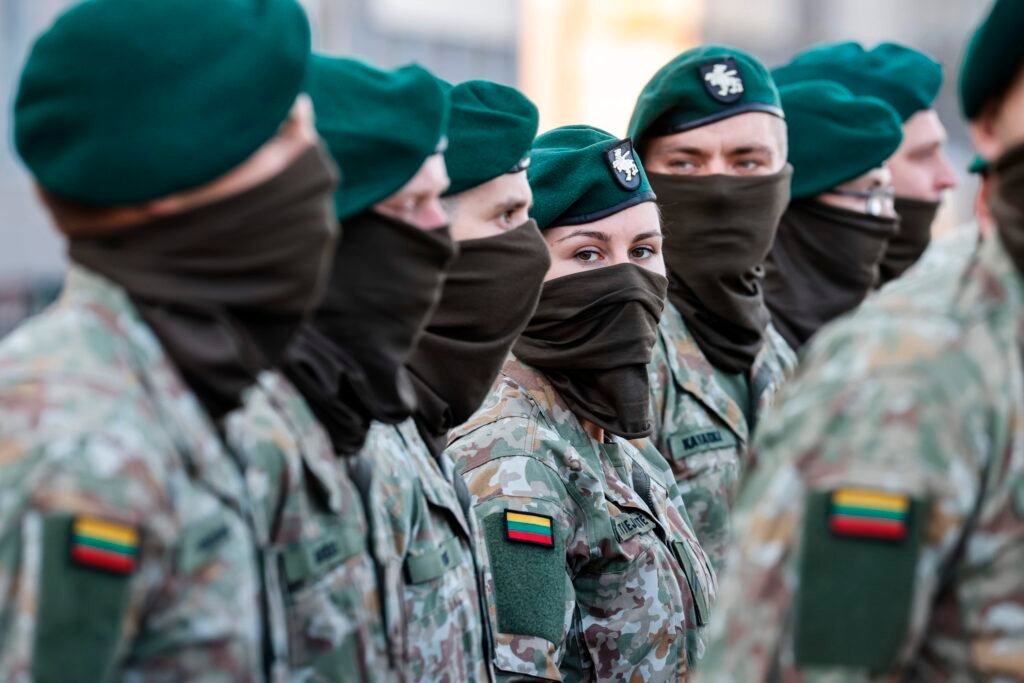
  • Baltic Region Defence in June 2025: A Fortress in the Making

    Baltic Defence Review

    Baltic Region Defence in June 2025: A Fortress in the Making

    The Baltic region—Estonia, Latvia, and Lithuania—sits at a geopolitical crossroads, where history and modernity collide in a high-stakes dance of security and survival. In June 2025, headlines across the globe are buzzing with the latest developments in Baltic defence, painting a picture of a region transforming itself into a formidable bulwark against potential threats, particularly from Russia. As someone who’s always been fascinated by how small nations punch above their weight, I find the Baltic states’ story compelling—a tale of resilience, cooperation, and strategic foresight. Let’s dive into the latest defence headlines, weaving together the region’s efforts, NATO’s role, and the human stakes behind these military maneuvers.

    A Region on Edge: The Geopolitical Context

    The Baltic states have long been a flashpoint in European security, nestled between Russia’s western border and NATO’s eastern flank. Russia’s invasion of Ukraine in 2022, as detailed in a NATO Parliamentary Assembly report, sent shockwaves through the region, amplifying fears of Russian aggression. By June 2025, these concerns remain palpable, fueled by Russia’s deployment of motorized rifle divisions and North Korean artillery near Latvia’s border, as noted in posts on X. The Baltic nations, with their small populations and limited geographic depth, cannot afford to be caught off guard. Their response? A multi-pronged strategy that blends military modernization, regional cooperation, and NATO integration.

    Imagine standing on the Estonian-Russian border, where the Narva River separates two worlds. On one side, NATO’s newest members; on the other, a resurgent Russia flexing its military muscle. The tension is almost tangible, yet the Baltic states are not cowering. They’re building, planning, and collaborating like never before.

    The Baltic Defence Line: A Modern Maginot?

    One of the most headline-grabbing initiatives in June 2025 is the Baltic Defence Line (BDL), a joint project by Estonia, Latvia, and Lithuania to fortify their borders with Russia and Belarus. Announced in January 2024, the BDL is a network of anti-mobility installations, including over 1,000 concrete bunkers, anti-tank ditches, and natural obstacles like rivers and forests. According to Wikipedia, construction is underway, with Latvia breaking ground in May 2024, Lithuania planning to start by summer’s end, and Estonia gearing up for 2025.

    The BDL isn’t just about concrete and steel—it’s a symbol of collective resolve. I recall visiting a small Estonian town near the border, where locals spoke of their grandparents’ resistance during Soviet occupation. Today, that same spirit drives the BDL, which aims to deter aggression “from the first meter,” as articulated at NATO’s 2022 Madrid Summit. But can it be built fast enough? Some, like Lithuania’s former foreign minister Gabrielius Landsbergis, worry that a potential ceasefire in Ukraine could redirect Russia’s attention to the Baltics sooner than anticipated, as reported by The Telegraph.

    Key Features of the Baltic Defence Line

    • Bunkers: Each nation plans at least 600 bunkers, designed to withstand artillery strikes and house up to 10 soldiers.
    • Anti-Tank Measures: Dragon’s teeth, ditches, and reserved minefields aim to halt armored advances.
    • Natural Barriers: Leveraging lakes, rivers, and forests to enhance defensive depth.
    • Cost: Estimated at €60 million per country, a significant investment for small economies.

    NATO’s Baltic Sentry: Guarding the Seabed

    Another major headline in June 2025 is NATO’s “Baltic Sentry,” launched in January 2025 to protect critical undersea infrastructure (CUI) in the Baltic Sea. As NATO’s official site reports, this initiative responds to a string of sabotage incidents, including the December 2024 damage to the EstLink2 power cable between Estonia and Finland. Baltic Sentry involves frigates, maritime patrol aircraft, and naval drones to enhance surveillance and deterrence.

    Picture this: a NATO warship slicing through the icy Baltic waters, its crew scanning for suspicious vessels. The sea, once a quiet trade route, is now a battlefield for hybrid warfare—where cables carrying data and power are as strategic as tanks. Estonia’s NATO Cooperative Cyber Defence Centre of Excellence, highlighted in NATO Review, plays a pivotal role in countering these hybrid threats, from cyberattacks to physical sabotage.

    Regional Cooperation: The Baltic-Nordic Alliance

    The Baltic states aren’t going it alone. Their cooperation with Nordic countries and NATO allies is a cornerstone of their defence strategy. In May 2025, the Baltic Assembly in Latvia emphasized tripartite cooperation in civil defence and energy security, as noted by Latvia’s Ministry of Foreign Affairs. The synchronization of Baltic electricity grids with Europe’s continental system in February 2025 marked a historic step toward energy independence from Russia.

    I once attended a Nordic-Baltic conference where defence ministers shared a palpable sense of camaraderie. The Nordic-Baltic Eight (NB8) and formats like the Northern Group, which met in Palanga in May 2024, foster this unity. Joint exercises like BALTOPS, detailed on The Hague 2025 site, enhance interoperability across land, sea, air, and cyber domains. These collaborations aren’t just military—they’re a cultural and strategic bond, forged by shared history and geography.

    Military Modernization: From Drones to HIMARS

    The Baltic states are pouring resources into modernizing their armed forces. Lithuania and Latvia’s deal with Finland’s Marine Alutech for high-speed attack craft equipped with SPIKE NLOS missiles, announced on X, is a prime example. Estonia’s €800 million investment in long-range fires, including ATACMS, aims to strike aggressors on their own soil, as reported by Baltic Sentinel.

    Visiting a Lithuanian military base, I saw firsthand the pride in their new HIMARS systems, acquired to counter Russian armored units. Latvia’s plan to reach 3% of GDP in defence spending by 2027, as per Foreign Policy Research Institute, underscores this commitment. These investments aren’t just about hardware; they’re about sending a message: the Baltics are ready to fight.

    Comparison Table: Baltic Defence Initiatives in 2025

    InitiativeCountryKey FeaturesTimelineCostStrategic Impact
    Baltic Defence LineEstonia, Latvia, Lithuania1,000+ bunkers, anti-tank ditches, natural barriers2024–2034€60M per countryDeters ground invasion, enhances NATO’s eastern flank
    Baltic SentryNATO (Baltic focus)Naval drones, frigates, surveillance aircraftLaunched Jan 2025N/AProtects undersea infrastructure, counters hybrid threats
    HIMARS ProcurementEstonia, Latvia, LithuaniaLong-range rocket systems, joint use framework2024–2025Part of defence budgetsBoosts deterrence, enhances interoperability
    Grid SynchronizationEstonia, Latvia, LithuaniaIntegration with EU gridCompleted Feb 2025N/AEnsures energy independence from Russia

    Hybrid Threats: The Invisible War

    Russia’s hybrid tactics—cyberattacks, disinformation, and infrastructure sabotage—are a growing concern. The Baltic states are at the forefront of countering these, with Estonia’s NATO Cyber Defence Centre leading the charge. Naval News highlights how Baltic Sentry addresses CUI vulnerabilities, while Latvia’s Strategic Communications Centre tackles disinformation campaigns like Russia’s Doppelgänger network, as noted in Taylor & Francis.

    I recall a conversation with a Latvian cybersecurity expert who described the daily battle against Russian bots spreading fear online. These hybrid threats blur the line between peace and war, making the Baltics a testing ground for NATO’s “deterrence by denial” strategy, which emphasizes repelling aggression from the outset.

    The Human Element: Citizen Resilience

    Beyond bunkers and missiles, the Baltic defence story is about people. Estonia’s 38,800 reservists and 230,000 citizens with military obligations, as detailed in Foreign Policy Research Institute, reflect a society ready to defend itself. Lithuania’s plans to mine bridges to Russia, reported on X, show a willingness to use every tool available.

    Visiting a Latvian community center, I met volunteers training in civil defence, their determination echoing the 1989 Baltic Way human chain. This citizen-led resilience, combined with professional forces, makes the Baltics a formidable opponent despite their size.

    FAQ: Unpacking Baltic Defence in 2025

    Q: Why is the Baltic region so focused on defence in 2025?
    The Baltic states face heightened threats due to Russia’s actions in Ukraine and its military buildup near their borders. Their proximity to Russia and Belarus, combined with limited geographic depth, necessitates robust defence measures.

    Q: What is the Baltic Defence Line?
    It’s a joint project by Estonia, Latvia, and Lithuania to build anti-mobility installations, including bunkers and anti-tank ditches, along their borders with Russia and Belarus to deter invasion.

    Q: How does NATO support Baltic defence?
    NATO bolsters the region through initiatives like Baltic Sentry, air policing missions, and rotational troop deployments. Finland and Sweden’s NATO membership further strengthens the alliance’s presence.

    Q: Are the Baltic states against a Ukraine ceasefire?
    No, they support a just peace based on international law, but they’re concerned a ceasefire could allow Russia to rearm and focus on the Baltics, as clarified by Euronews.

    Q: How do hybrid threats affect the Baltics?
    Cyberattacks, disinformation, and infrastructure sabotage target the region’s vulnerabilities. Baltic states counter these through specialized centers and NATO’s Baltic Sentry.

    Conclusion: A Region Forged in Resolve

    In June 2025, the Baltic region stands as a testament to what small nations can achieve with grit, unity, and strategic vision. From the Baltic Defence Line’s concrete bunkers to NATO’s Baltic Sentry patrolling the seas, the region is transforming into a fortress—not just of steel, but of collective will. The headlines tell a story of proactive defence, regional cooperation, and a refusal to be intimidated by a larger neighbor. Yet, beneath the military hardware lies a human narrative: communities preparing, citizens training, and leaders forging alliances to secure their future.

    For readers, the Baltic story offers lessons in resilience and preparation. Stay informed through sources like NATO and Baltic Sentinel, engage with local defence initiatives, and consider how global security impacts your own community. The Baltics remind us that strength isn’t just in numbers—it’s in the courage to stand firm. What’s next? Keep an eye on NATO’s evolving strategies and the Baltic states’ progress as they continue to shape Europe’s defence landscape.

  • Latest Military Updates from the Baltic States in 2025: A Deep Dive into Regional Security

    Baltic Defence Review

    Latest Military Updates from the Baltic States in 2025: A Deep Dive into Regional Security

    Lithuanian soldiers of the Lynx NATO mission are pictured ahead of the visit of French President Emmanuel Macron at the Rukla base on September 29, 2020. (Photo by Ludovic MARIN / AFP) (Photo by LUDOVIC MARIN/AFP via Getty Images)

    The Baltic States—Estonia, Latvia, and Lithuania—stand at the forefront of Europe’s evolving security landscape in 2025. Nestled between Russia and the NATO alliance, these small but resilient nations have become a focal point for military strategists, policymakers, and global observers. Russia’s ongoing aggression in Ukraine and hybrid threats in the Baltic Sea region have spurred these countries to bolster their defenses, deepen NATO integration, and prepare for an uncertain future. In this blog post, we’ll explore the latest military updates from the Baltic States in 2025, weaving together expert insights, firsthand perspectives, and actionable takeaways to understand what’s at stake and why it matters.

    Picture this: it’s a crisp morning in Riga, Latvia, where I recently stood near the Freedom Monument, a symbol of independence. As locals hurried to work, I couldn’t help but sense the undercurrent of vigilance that permeates daily life here. The Baltic States, once part of the Soviet Union, know the cost of freedom. Their military advancements in 2025 reflect a region that’s not just reacting to threats but proactively shaping its destiny. Let’s dive into the details.

    A New Era of Defense: The Baltic States’ Strategic Shift

    The Baltic States have always been acutely aware of their precarious position, sharing borders with Russia and its ally Belarus. Russia’s invasion of Ukraine in 2022 amplified this awareness, pushing Estonia, Latvia, and Lithuania to accelerate their defense strategies. According to the Foreign Policy Research Institute, the Baltic region has become a “unified center of gravity for security issues,” with these nations leading the charge in integrated civil-military strategies.

    In 2025, the Baltic States are not just fortifying their borders; they’re redefining what it means to be secure in a volatile world. From boosting defense budgets to constructing physical barriers, their actions reflect a blend of pragmatism and resolve. I recall speaking with a Latvian defense official who likened their approach to “building a house while the storm is already brewing.” This urgency drives their latest military updates, which we’ll unpack below.

    Defense Spending: A Commitment to Strength

    One of the most significant developments is the Baltic States’ commitment to increasing defense spending to unprecedented levels. Each country has set ambitious targets to allocate at least 3% of GDP to defense, with some aiming higher. For context, here’s how their budgets have evolved:

    • Lithuania: Defense spending nearly doubled from €1.105 billion in 2021 to €2 billion in 2023, with plans to hit 3% of GDP in 2025.
    • Estonia: Already at 3.2% of GDP in 2024, Estonia is the first to surpass the 3% threshold.
    • Latvia: While slower to ramp up, Latvia plans to reach 3% by 2027 and has allocated €1.5 billion (3.66% of GDP) for 2025, with aspirations to hit 5%.

    This financial commitment isn’t just about numbers—it’s about capability. The funds are being channeled into modernizing armed forces, expanding military infrastructure, and procuring advanced weaponry like the U.S.-made HIMARS rocket systems. These investments signal a shift from reliance on NATO to self-sufficiency, ensuring the Baltics can hold their ground in a crisis.

    The Baltic Defence Line: Fortifying the Eastern Flank

    Imagine a 1,360-kilometer stretch of border with Russia and Belarus, now fortified with bunkers, anti-tank obstacles, and surveillance systems. This is the Baltic Defence Line, a joint initiative launched in January 2024 to deter potential aggressors. The project, costing an estimated €60 million, aims to create a robust defensive perimeter. Estonia, for instance, plans to construct 600 bunkers, each designed to withstand artillery strikes and house up to 10 soldiers.

    The Baltic Defence Line draws inspiration from Ukraine’s resilience, where fortified positions have slowed Russian advances. A Latvian reservist I met during a visit to Riga described it as “a modern Maginot Line, but smarter—built for agility and deterrence.” The project isn’t just about physical barriers; it’s about sending a message to Moscow: the Baltics are ready.

    NATO’s Growing Presence: A Shield of Solidarity

    NATO’s role in the Baltic States has never been more critical. The alliance’s response to regional threats has been swift and decisive, with 2025 marking a new chapter in its commitment. The launch of Baltic Sentry, announced on January 14, 2025, is a game-changer. This multi-domain operation enhances NATO’s maritime, air, and cyber presence in the Baltic Sea, focusing on protecting critical undersea infrastructure (CUI) like power and internet cables, which have been targeted in suspected sabotage incidents.

    Baltic Sentry: Protecting the Seabed

    The Baltic Sea has become a hotspot for hybrid warfare, with incidents like the December 2024 damage to the EstLink2 power cable raising alarms. Baltic Sentry deploys ships, submarines, maritime patrol aircraft, and advanced technologies like uncrewed underwater vehicles to monitor and deter threats. NATO Secretary General Mark Rutte emphasized, “We will do what it takes to ensure the safety of our critical infrastructure.”

    This initiative reflects a broader trend: the Baltic States are no longer just NATO outposts but active contributors to collective defense. For example, Latvia hosts a Canadian-led NATO brigade of 2,000 troops, while Lithuania welcomes a German brigade set to reach 5,000 by 2027. Estonia, meanwhile, has secured a UK commitment for a rapid-deployment light brigade. These deployments underscore NATO’s resolve to deter Russia’s escalatory potential, especially as Moscow revives its Leningrad Military District.

    Joint Exercises: Building Interoperability

    NATO and Baltic forces are also intensifying joint exercises to enhance interoperability. Exercises like BALTOPS 2024, which involved 9,000 troops from 20 NATO countries, simulate scenarios from mine sweeps to amphibious landings. These drills are crucial for integrating new NATO members Finland and Sweden, whose accession has transformed the Baltic Sea into a “NATO lake.”

    I witnessed a glimpse of this during a visit to a training ground near Tallinn, where Estonian and U.S. troops practiced coordinated maneuvers. The energy was palpable—soldiers from different nations, speaking different languages, moving as one. It’s a testament to the Baltic States’ commitment to seamless collaboration with allies.

    Modernization and Innovation: The Baltic Military Evolution

    The Baltic States are not just fortifying—they’re innovating. From cyber defense to advanced weaponry, their armed forces are undergoing a transformation. The OSW Centre for Eastern Studies notes that Russia’s invasion of Ukraine spurred a “revolution in military affairs” in the Baltics, with a focus on three pillars: increased spending, allied presence, and technical modernization.

    Cyber and Hybrid Defense

    Russia’s hybrid tactics—cyberattacks, disinformation, and GPS jamming—pose a growing threat. The Baltic States are countering with robust cybersecurity frameworks. For instance, Latvia, Lithuania, and Estonia collaborate through the Baltic CERT units, sharing real-time intelligence on cyber incidents. Estonia, a global leader in cyber defense, hosts the NATO Cooperative Cyber Defence Centre of Excellence, driving innovation in this domain.

    Infrastructure and Training Grounds

    New military bases and training grounds are springing up across the region. Latvia’s Selonia base, set to cover 25,000 hectares by late 2025, will support allied training needs. Lithuania is expanding the Rūdininkai training ground, while Estonia is tripling the size of its Sirgala facility. These projects ensure that Baltic and NATO forces can train effectively in realistic scenarios, preparing for any contingency.

    Weaponry and Procurement

    The Baltics are also investing in high-end weaponry. A joint procurement agreement for HIMARS systems enhances their long-range strike capabilities. Latvia’s purchase of Black Hawk helicopters and Javelin missiles, funded partly by U.S. military aid, underscores the strong U.S.-Baltic partnership. These acquisitions reduce reliance on allies during crises, giving commanders flexibility to support other theaters.

    Comparison Table: Baltic States’ Military Advancements in 2025

    AspectEstoniaLatviaLithuania
    Defense Spending (% of GDP)3.2% (2024), aiming for 5% by 20273.66% (2025), aiming for 5% by 20273% (2025), nearly doubled from 2021
    NATO BrigadeUK-led, light brigade on standby for rapid deploymentCanadian-led, 2,000 troops, largest in BalticsGerman-led, 5,000 troops by 2027
    Key InfrastructureSirgala training ground expansionSelonia base (25,000 hectares)Rūdininkai training ground, new bases at Pajūris, Šiauliai
    Signature ProjectBaltic Defence Line bunkersBaltic Defence Line, HIMARS procurementGerman brigade integration
    Cyber DefenseHosts NATO Cyber Defence CentreActive in Baltic CERT cooperationExpanding cyber capabilities

    The Human Element: Civil Defense and Resilience

    Beyond hardware and alliances, the Baltic States are investing in their people. Inspired by Finland’s total defense model, they’re reintroducing conscription and raising public awareness about civil defense. In Latvia, I met a schoolteacher who volunteers with the national guard, training students in basic survival skills. “We’re preparing the next generation to stand firm,” she said. This societal resilience is crucial, as only 48.5% of Estonians aged 20–39 are willing to take up arms to defend their country.

    The Baltic Assembly, a parliamentary cooperation body, emphasizes civil defense as a priority for 2025. Programs like Latvia’s economic growth plan for border regions, with €644.6 million in funding, aim to strengthen local resilience. These efforts ensure that the Baltic States are not just militarily strong but socially cohesive.

    Challenges and Risks: Navigating a Complex Landscape

    Despite their progress, the Baltic States face significant challenges. Geography remains a hurdle—Estonia’s 210-kilometer border with Russia is relatively defensible, but Lithuania’s 275-kilometer border with Kaliningrad and the Suwałki Gap complicate its strategy. Russia’s hybrid threats, including cyberattacks and disinformation, continue to test the region’s resolve.

    Moreover, there’s uncertainty about U.S. commitment. A March 2025 report suggested that the U.S. might reduce support to Europe in case of Russian advances, though the nuclear umbrella remains. This has prompted the Baltics to push for greater European self-reliance, with Latvia’s Foreign Minister Baiba Braže advocating for stronger transatlantic bonds.

    FAQ: Common Questions About Baltic Military Updates in 2025

    Q: Why are the Baltic States increasing defense spending?
    A: The Baltic States face a direct threat from Russia, amplified by the Ukraine war. Spending at least 3% of GDP ensures they can modernize their forces, build infrastructure, and deter aggression while contributing to NATO’s collective defense.

    Q: What is the Baltic Defence Line?
    A: It’s a joint initiative to fortify the 1,360-kilometer border with Russia and Belarus using bunkers, anti-tank obstacles, and surveillance systems. It aims to delay enemy advances and enhance deterrence.

    Q: How does NATO’s Baltic Sentry work?
    A: Launched in January 2025, Baltic Sentry enhances NATO’s presence in the Baltic Sea to protect critical undersea infrastructure. It uses ships, submarines, and advanced technologies to deter sabotage.

    Q: Are the Baltic States prepared for a Russian invasion?
    A: While no country can be fully prepared, the Baltics are strengthening their defenses through spending, NATO integration, and civil preparedness. Their focus on total defense and alliances enhances their resilience.

    Q: How does the U.S. support Baltic defense?
    A: The U.S. provides military aid through the Baltic Security Initiative, funding equipment like HIMARS and Javelin missiles. It also conducts joint exercises like Saber Strike to boost interoperability.

    Conclusion: A Region Ready for the Future

    As I walked through Vilnius, Lithuania, last month, I passed a mural depicting the Baltic Way—the 1989 human chain that symbolized unity and defiance. That spirit lives on in 2025, as Estonia, Latvia, and Lithuania fortify their defenses, deepen NATO ties, and prepare their societies for an uncertain future. The Baltic States are not just surviving; they’re thriving as leaders in regional security, setting an example for other NATO members.

    Their journey offers lessons for us all: resilience comes from preparation, unity, and innovation. Whether you’re a policymaker, a defense enthusiast, or simply curious about global affairs, the Baltic States’ story is a reminder that even small nations can cast a long shadow. To stay informed, follow updates from sources like NATO’s official site or the Baltic News Network. Consider exploring how your own community can build resilience—whether through civic engagement or supporting local defense initiatives. The Baltics show us that strength starts at home.