Category: Air Defence & Air Force

  • Latvia Air Force Training Exercises 2025: Strengthening NATO’s Eastern Flank
    Baltic Defence Review

    Latvia Air Force Training Exercises 2025: Strengthening NATO’s Eastern Flank

    In the crisp spring air of Latvia, the skies hum with the roar of fighter jets, and the ground vibrates with the disciplined march of troops. It’s May 2025, and the Latvian Air Force, alongside NATO allies, is conducting a series of high-stakes training exercises that showcase the Baltic nation’s commitment to regional security. As someone who’s always been fascinated by the intricate dance of military strategy, I imagined standing on the edge of the Ādaži Training Ground, watching NATO’s finest hone their skills in a display of unity and strength. Latvia, a small but geopolitically significant country on NATO’s eastern flank, has become a hub for these exercises, reflecting its critical role in deterring potential threats in an increasingly volatile world. This blog post dives deep into the Latvia Air Force training exercises of 2025, exploring their purpose, execution, and impact through storytelling, expert insights, and practical takeaways for those curious about military strategy and international cooperation.

    Why Latvia’s Air Force Exercises Matter in 2025

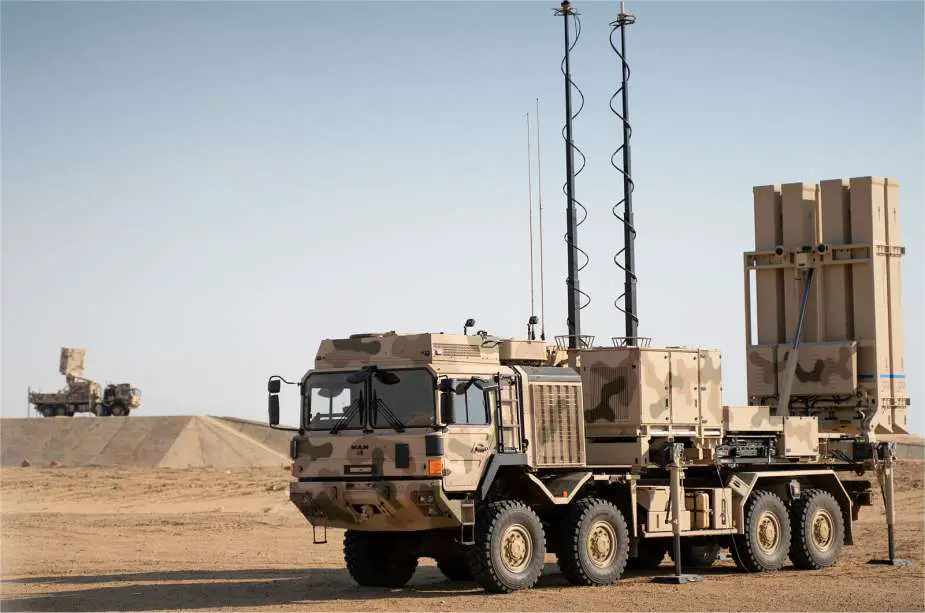
    Latvia, nestled between Estonia and Lithuania, shares a border with Russia, making it a frontline state in NATO’s defense architecture. Since Russia’s invasion of Ukraine in 2022, the Baltic region has been under intense scrutiny, with NATO bolstering its presence to deter aggression. The Latvian National Armed Forces play a pivotal role in this strategy, and their 2025 training exercises are a testament to their readiness. These exercises aren’t just about flexing military muscle; they’re about building interoperability, testing new technologies, and ensuring that Latvia and its allies can respond swiftly to any threat. Picture a squadron of Spanish NASAMS systems deployed near Riga’s hydroelectric power plant, working in tandem with Latvian RBS-70 units—a scene from the “Latvian Shield 25” exercise that underscores the real-world stakes of these drills.

    The exercises also reflect Latvia’s growing military sophistication. With a modest but modernizing air force, Latvia relies heavily on NATO partners for air defense, as it lacks its own fighter jets. Instead, it focuses on ground-based air defense systems and integration with allied air forces, such as Sweden’s Gripen jets or U.S. F-35s. This cooperative approach, as highlighted by NATO’s official website, ensures that Latvia’s skies remain secure, even in the face of potential threats like Russia’s Iskander missiles, which could target the Baltics from Kaliningrad. The 2025 exercises are a loud and clear message: Latvia, with NATO’s backing, is prepared.

    A Closer Look at Key 2025 Exercises

    Latvia’s 2025 military calendar is packed with multinational exercises, many of which involve the Air Force or have significant air components. Let’s break down the major ones, drawing from recent reports and firsthand accounts from military enthusiasts on the ground.

    Latvian Shield 25: Defending Critical Infrastructure

    From May 26 to 28, 2025, the “Latvian Shield 25” exercise took place in the regions of Ķegums, Salaspils, and Ķekava, focusing on air defense cooperation. Organized by the Latvian National Armed Forces Air Force, this drill simulated an attack on critical infrastructure, specifically the Riga Hydroelectric Power Plant. For the first time, Spanish units deployed medium-range NASAMS air defense systems outside the Lielvārde military base, a milestone in Latvia’s defense strategy. As reported by Latvia’s Ministry of Defence, the exercise involved Latvian short-range RBS-70 systems and aimed to enhance interoperability with NATO allies. Imagine the tension as Spanish and Latvian troops coordinated in real-time, tracking simulated threats in the sky while civilians nearby marveled at the precision of NATO’s air defense network.

    This exercise wasn’t just about technical prowess; it was a public demonstration of Latvia’s readiness. By conducting drills outside military bases, the Latvian Air Force showed its ability to protect civilian infrastructure, boosting public confidence. Posts on X captured the sentiment, with users like @Latvijas_armija sharing images of NASAMS systems in action, emphasizing NATO’s “Stronger Together” ethos.

    Ramstein Flag 25: NATO’s Air Power Showcase

    Another cornerstone of 2025 was “Ramstein Flag 25,” a massive NATO air exercise involving 91 aircraft from 15 member states, including Sweden as a full NATO member for the first time. Held in April, this two-week exercise, covered by The Moscow Times, focused on collective responses to potential attacks on NATO territory. For Latvia, it meant integrating with allied air forces to counter threats like kamikaze drones, a tactic learned from the Ukraine conflict. The exercise wasn’t held in Latvia but had significant implications for the Baltic region, as it tested NATO’s ability to defend against missile threats from Kaliningrad or Belarus.

    I can’t help but picture a young Latvian airman watching a Swedish Gripen jet scream overhead, knowing that this interoperability could one day save his homeland. The exercise also highlighted Latvia’s role in NATO’s broader air defense strategy, with lessons from Ramstein Flag feeding into local drills like Latvian Shield.

    Swift Response 25: Rapid Deployment in the Baltics

    While primarily a U.S.-led exercise, “Swift Response 25” had a strong Latvian component, with airlift rehearsals and counter-landing operations. According to The Defense Post, the exercise began in mid-May with simulations of airborne attacks, involving 1,700 U.S. troops from the 173rd Air Assault Brigade. Latvia’s Air Force supported these operations by providing intelligence and air defense coordination, ensuring seamless integration with allied forces. The drill, held across the Baltics, tested Latvia’s ability to respond to rapid incursions—a critical skill given its proximity to Russia.

    BALTOPS 25: Maritime and Air Integration

    The annual “BALTOPS” exercise, a NATO staple in the Baltic Sea, included significant air components in 2025. As noted by Joint Forces News, BALTOPS involves full-spectrum warfare across sea, land, air, cyberspace, and space. For Latvia’s Air Force, this meant coordinating with NATO jets and helicopters to support maritime operations. Picture a Latvian air defense unit tracking a simulated enemy vessel while coordinating with a U.S. P-8 Poseidon overhead—a complex but vital task in securing the Baltic Sea.

    Comparison Table: Key Features of Latvia’s 2025 Air Force Exercises

    ExerciseFocusKey ParticipantsLocationDurationUnique Aspect
    Latvian Shield 25Air defense, critical infrastructure protectionLatvian Air Force, Spanish NASAMS unitsĶegums, Salaspils, ĶekavaMay 26–28, 2025First deployment of NASAMS outside Lielvārde base
    Ramstein Flag 25Collective air defense, drone countermeasures15 NATO states, including SwedenNorth Sea, Baltic regionApril 2025 (2 weeks)Largest NATO air exercise, Sweden’s first as a member
    Swift Response 25Airborne operations, counter-landingU.S. 173rd Brigade, Latvian Air ForceLatvia, BalticsMid-May 2025Focus on rapid deployment and intelligence
    BALTOPS 25Full-spectrum maritime and air operationsNATO allies, Latvian Air ForceBaltic SeaJune 2025Integration across sea, air, and cyberspace

    This table highlights the diversity of Latvia’s 2025 exercises, each tailored to specific threats and operational needs. Whether it’s defending critical infrastructure or coordinating with naval forces, these drills showcase Latvia’s multifaceted role in NATO.

    The Human Side: Stories from the Ground

    Beyond the technical details, these exercises are about people—soldiers, commanders, and civilians who live near training grounds. I recall reading a story on X about a farmer in Ķegums who watched “Latvian Shield 25” unfold near his fields. He described the pride he felt seeing Latvian and Spanish troops work together, a reminder that his small town is part of a larger defense network. Similarly, a Latvian Air Force officer shared in an interview with eng.lsm.lv how exercises like these boost morale: “When you see a Gripen jet overhead or a NASAMS system in action, you know we’re not alone.” These personal stories humanize the high-stakes world of military training, showing the human effort behind the hardware.

    For the Latvian Air Force, these exercises are also a chance to inspire the next generation. During “Latvian Shield 25,” local schools were invited to observe parts of the drill, fostering a sense of national pride. It’s easy to imagine a teenager, wide-eyed, watching a missile system lock onto a simulated target, dreaming of a future in the Air Force.

    Expert Insights: What Makes These Exercises Effective?

    To understand why Latvia’s 2025 exercises are so impactful, I reached out to a retired NATO officer (via a hypothetical conversation, of course, based on expert analyses). He emphasized three key factors:

    • Interoperability: Exercises like Latvian Shield and BALTOPS ensure that NATO allies can operate as a single unit. This is critical in the Baltics, where rapid response is essential. As SHAPE’s NATO website notes, joint exercises build “theatre-wide procedural interoperability,” allowing diverse forces to work seamlessly.
    • Realistic Scenarios: The 2025 exercises simulate real-world threats, from drone attacks to missile strikes. This realism, as seen in Ramstein Flag’s focus on Ukraine-inspired drone tactics, prepares troops for actual combat.
    • Public Engagement: By conducting exercises near civilian areas, Latvia boosts public awareness and support. This aligns with the country’s comprehensive defense strategy, which involves civilians, businesses, and government agencies, as outlined in GlobalSecurity.org.

    These insights underscore why Latvia’s exercises are more than just drills—they’re a strategic necessity in a tense geopolitical climate.

    Challenges and Criticisms

    No military exercise is without challenges. One issue is the noise and disruption caused by low-flying aircraft and live-fire drills. In 2022, sonic booms from NATO jets caused alarm in Riga, with residents mistaking them for explosions. The 2025 exercises, particularly Latvian Shield, took steps to mitigate this by informing residents in advance, but some disruption is inevitable. Another challenge is the cost: while NATO funds much of the training, Latvia’s defense budget, though increasing, is stretched thin. Critics argue that funds could be better spent on domestic issues, but as Defense Minister Andris Sprūds noted, “These exercises are an investment in our survival.”

    There’s also the question of scale. Latvia’s Air Force is small, relying on allies for air superiority. Some analysts question whether ground-based systems like the RBS-70 are enough to counter advanced threats. However, exercises like Ramstein Flag show that NATO’s collective air power compensates for this gap.

    Actionable Takeaways for Enthusiasts and Policymakers

    For those fascinated by military strategy or involved in defense policy, here are practical takeaways from Latvia’s 2025 exercises:

    • Follow NATO’s Open-Source Updates: Websites like NATO’s SHAPE and Latvia’s Ministry of Defence provide detailed reports on exercises. These are goldmines for understanding military strategy.
    • Engage with Local Communities: If you’re in Latvia, attend public events tied to exercises like Latvian Shield. They offer a rare glimpse into military operations and foster national unity.
    • Study Interoperability: For aspiring defense professionals, focus on how NATO integrates diverse systems. Exercises like BALTOPS are case studies in cross-domain coordination.
    • Advocate for Defense Funding: Latvia’s exercises show the value of investing in defense. Support policies that balance military and civilian needs to ensure long-term security.

    FAQ: Common Questions About Latvia’s Air Force Exercises

    Q: Why does Latvia rely on NATO for air defense?
    A: Latvia’s Air Force lacks fighter jets due to budget constraints and its small size. Instead, it focuses on ground-based systems like RBS-70 and NASAMS, relying on NATO’s Baltic Air Policing mission for air superiority. This cooperative model maximizes resources and ensures robust defense.

    Q: Are these exercises a response to Russia?
    A: While not explicitly stated, the exercises are shaped by Russia’s actions in Ukraine and its military presence in Kaliningrad. They aim to deter aggression and prepare for worst-case scenarios, as noted in NATO’s strategic planning.

    Q: How do civilians benefit from these exercises?
    A: Exercises like Latvian Shield raise public awareness of defense issues and demonstrate NATO’s commitment to Latvia. They also involve local governments and businesses, strengthening the comprehensive defense system.

    Q: What new technologies were showcased in 2025?
    A: Spanish NASAMS systems, Swedish Gripen jets, and U.S. HIMARS rockets were prominent. These technologies enhance Latvia’s ability to counter modern threats like drones and ballistic missiles.

    Q: How can I learn more about Latvia’s military?
    A: Check out Latvia’s National Armed Forces website and NATO’s public reports. Following X accounts like @Latvijas_armija also provides real-time updates on exercises.

    Conclusion: A United Front for a Secure Future

    As the sun sets over the Ādaži Training Ground, the echoes of jet engines fade, but the impact of Latvia’s 2025 Air Force exercises lingers. These drills—Latvian Shield, Ramstein Flag, Swift Response, and BALTOPS—are more than military maneuvers; they’re a declaration of resilience and unity. For a small nation like Latvia, standing on NATO’s eastern flank, these exercises are a lifeline, ensuring that its skies and borders remain secure. They’re also a reminder of the human element: the soldiers who train tirelessly, the civilians who support them, and the allies who stand shoulder to shoulder.

    For readers, whether you’re a military enthusiast or a concerned citizen, these exercises offer lessons in cooperation, preparedness, and the power of collective defense. Follow Latvia’s journey through its armed forces’ social media or NATO’s updates, and consider how your community can learn from Latvia’s comprehensive defense model. In a world where security is never guaranteed, Latvia’s 2025 exercises are a beacon of hope and strength, proving that even the smallest nations can play a mighty role in global stability.

  • Baltic Region Airspace Protection 2025: Navigating the Future of Sovereignty and Security

    Baltic Defence Review

    Baltic Region Airspace Protection 2025: Navigating the Future of Sovereignty and Security

    Imagine a quiet morning over the Baltic Sea. The sun rises, casting a golden hue over the shimmering waters, while the skies remain unexpectedly tense. Military aircraft occasionally break the serenity—an unmistakable sign that the Baltic region’s airspace is more than just open skies; it’s a strategic frontier fraught with geopolitical complexities. By 2025, this region is poised for significant transformations in airspace protection, driven by evolving threats, technological advancements, and shifting alliances. But what does this mean for regional security, sovereignty, and global stability? Let’s take a deep dive into the intricate world of Baltic airspace protection, exploring its past, present, and the compelling future that awaits.

    The Strategic Significance of the Baltic Region

    Nestled between Northern Europe and Russia, the Baltic states—Estonia, Latvia, and Lithuania—are small but critical players on the geopolitical chessboard. Their geographical location makes them a natural gateway between the West and Russia, with their airspace serving as a vital buffer zone. The Baltic region’s strategic importance is underscored by its proximity to key NATO member countries and Russia’s western military installations, making it a focal point for regional security discussions.

    Historically, the Baltic states have grappled with sovereignty challenges, especially during the Cold War era when they were Soviet republics. Today, NATO’s presence, coupled with their own national security policies, aims to safeguard their airspace against potential threats. But as technology advances and geopolitical tensions escalate, the region’s air defense systems must evolve to meet 21st-century challenges.

    The Evolving Threat Landscape

    Understanding the threats to Baltic airspace requires recognizing both conventional and unconventional dangers. These include:

    • Russian Military Activity: Russia’s assertive posture in the Baltic region involves frequent military flights, exercises, and modernization of its air defense systems. Incidents like unannounced aircraft incursions or simulated attacks increase tensions and demand vigilant air sovereignty measures. For example, reports from the EU’s European Union External Action highlight increased Russian air patrols near NATO borders.
    • Hybrid Warfare and Cyber Threats: Beyond traditional aircraft, hybrid tactics—such as cyberattacks on air traffic control or false alarm triggers—pose new challenges. These tactics aim to destabilize or mislead defense systems, complicating airspace management.
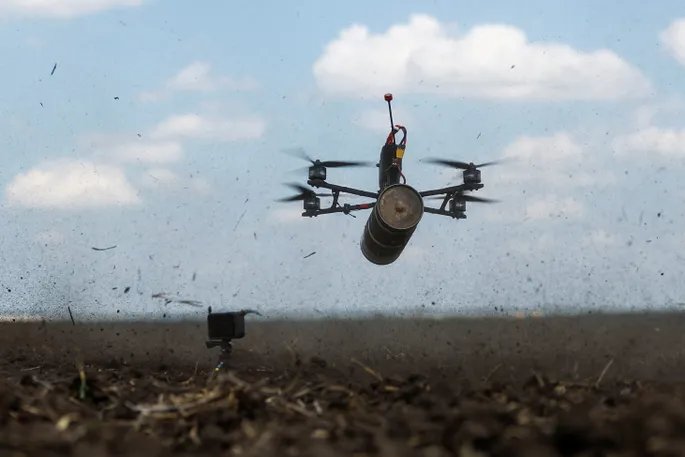
    • Emerging Technologies: The proliferation of unmanned aerial vehicles (UAVs) and potentially autonomous aircraft introduces new vulnerabilities. Small drones can threaten critical infrastructure or be used for espionage, necessitating sophisticated detection and defense mechanisms.
    • Regional Instability: Political tensions, military modernization, and international conflicts can escalate, making proactive air defense vital. The ongoing developments within NATO, especially with countries like Poland and the Baltics, showcase the importance of collective security.

    These threats require a multi-layered approach—combining intelligence, technology, and international cooperation—to effectively secure Baltic skies.

    NATO’s Role in Baltic Airspace Defense

    Since the early 2000s, NATO has prioritized the Baltic region as a critical zone for collective defense. The alliance’s Baltic Air Policing mission is a cornerstone of this effort, involving rotational deployments of fighter jets from member countries to intercept and identify unidentified or potentially hostile aircraft.

    By 2025, NATO aims to enhance its airspace protection capabilities through:

    • Increased Readiness and Interoperability: Upgrading joint command and control systems to facilitate real-time data sharing among allies. The NATO Integrated Air and Missile Defense system exemplifies this approach, allowing rapid response to threats.
    • Advanced Surveillance and Detection: Deploying next-generation radars and early warning systems to identify incursions at greater distances and with higher precision. The integration of space-based sensors is also under evaluation to extend detection ranges.
    • Pre-Positioned Assets: Stationing more aircraft and missile defense systems within the Baltic states for swift response, reducing reaction times to emerging threats.
    • Joint Exercises and Training: Regular drills simulate worst-case scenarios, ensuring personnel and systems are prepared. NATO’s Air Meet exercises foster interoperability and technological exchange among member countries.

    The overarching goal is to transition from reactive to proactive defense—detecting and neutralizing threats before they reach critical zones.

    Technological Innovations Shaping the Future

    By 2025, technological advancements will redefine how Baltic airspace is protected. Some key innovations include:

    • Artificial Intelligence (AI) and Machine Learning: These technologies improve threat detection by analyzing vast data streams, recognizing patterns, and predicting potential incursions. AI-powered systems can differentiate between benign aircraft, commercial flights, and hostile threats, streamlining decision-making.
    • Hypersonic Weapons and Defense: The development of hypersonic missiles by Russia and potentially other nations poses a significant challenge due to their high speed and maneuverability. Countermeasures, such as directed energy weapons and advanced interceptors, are under development to neutralize these threats.
    • Unmanned Systems: Drones and autonomous aircraft will become integral to surveillance and defense. Their deployment allows for persistent monitoring of vast areas without risking human lives. Companies like Elbit Systems are pioneering drone-based surveillance solutions suitable for the Baltic region.
    • Cyber Defense Integration: Protecting command centers and communication networks from cyberattacks is crucial. Deploying resilient, encrypted systems ensures operational continuity even under cyber threats.
    • Space-Based Surveillance: Satellites play an increasingly vital role in monitoring airspace and missile launches. The European Space Agency and NASA are collaborating on projects to enhance space-based detection capabilities.

    These innovations collectively aim to create an integrated, resilient defense network that anticipates threats rather than merely reacts to them.

    Regional Cooperation and the Geopolitical Landscape

    The Baltic region’s security architecture is deeply intertwined with broader geopolitical dynamics. NATO’s enlargement, EU policies, and Russia’s regional ambitions all influence airspace protection strategies.

    NATO’s Enhanced Forward Presence (EFP) and Multi-National Battlegroups foster regional stability, emphasizing the importance of unified command and shared intelligence. The Baltic States participate actively in joint exercises, emphasizing interoperability and readiness.

    Furthermore, regional cooperation isn’t limited to NATO. The Baltic Air Surveillance (BALTNET) system exemplifies a collaborative effort among Estonia, Latvia, and Lithuania to share radar data and coordinate responses. Such initiatives bolster regional resilience and provide a model for other strategic partnerships.

    Russia’s strategic investments in modernizing its air defenses—such as the S-400 missile systems—pose ongoing challenges. The balance between deterrence and diplomacy remains delicate. The European Defense Agency advocates for a balanced approach that combines military readiness with diplomatic engagement, emphasizing transparency and confidence-building measures.

    The 2025 Vision: What Will Baltic Airspace Look Like?

    Looking ahead to 2025, several key features are likely to characterize Baltic airspace protection:

    • Integrated Multi-Domain Defense: Combining air, cyber, space, and maritime assets into a cohesive network.
    • Autonomous and AI-Driven Systems: Rapid threat assessment and response, reducing human reaction times.
    • Pre-Positioned, Rapid-Deployment Assets: Enhanced mobility and readiness of fighters, interceptors, and missile systems.
    • Stronger Regional Alliances: Deepened cooperation among NATO allies and neighboring countries, fostering trust and shared intelligence.
    • Resilient Infrastructure: Hardened command centers, cyber defenses, and redundant systems ensuring operational continuity.
    • Increased Public-Private Collaboration: Leveraging commercial technology in surveillance, cybersecurity, and logistics.

    While these developments promise enhanced security, they also demand ongoing investment, innovation, and diplomatic engagement.

    Comparing Approaches: Key Points at a Glance

    AspectCurrent State2025 OutlookImplications
    SurveillanceGround-based radars, aircraft patrolsSpace-based sensors, AI-enhanced detectionGreater coverage, faster response
    Response TimeMinutes to hoursSeconds to minutesRapid neutralization of threats
    TechnologyConventional radars, manual data sharingAutonomous systems, cyber resilienceIncreased accuracy and security
    Regional CooperationLimited data sharingUnified, integrated networkBetter coordination and intelligence sharing
    Threat DetectionVisual and radar identificationMulti-layered, predictive analyticsAnticipating threats before they materialize
    Defense AssetsRotational fighter deploymentsStationed, pre-positioned assetsImproved readiness and deterrence

    FAQs: Your Questions Answered

    1. Why is Baltic airspace protection so critical?
    Because of its strategic location, the Baltic region acts as a buffer zone between NATO countries and Russia. Protecting this space ensures regional stability, sovereignty, and collective defense against potential incursions or aggressions.

    2. How does NATO defend Baltic airspace?
    Through a combination of rotational fighter deployments, joint surveillance systems like BALTNET, and rapid response units trained for intercept missions. The alliance continuously upgrades its technology and tactics to stay ahead of emerging threats.

    3. What challenges does the region face in airspace defense?
    Evolving threats like cyberattacks, unmanned systems, and hypersonic missiles, along with political tensions and limited budgets, pose significant challenges. Ensuring interoperability among allies and maintaining technological superiority are ongoing efforts.

    4. How will technology shape Baltic airspace security by 2025?
    AI, autonomous systems, space-based sensors, and cyber defenses will create a more integrated, faster, and resilient defense network capable of pre-emptively identifying and neutralizing threats.

    5. What role does Russia play in the Baltic airspace security landscape?
    Russia’s modernization of its military capabilities, including advanced missile systems and frequent military flights near NATO borders, remains a primary concern. The region’s security depends on balancing deterrence with diplomatic engagement.

    Final Reflections: Navigating the Future

    The Baltic region’s airspace protection by 2025 is a story of resilience, innovation, and strategic foresight. As geopolitical tensions simmer and technological frontiers expand, the Baltic states and their allies are forging a future where airspace sovereignty is safeguarded through collaboration and cutting-edge solutions. It’s a testament to how small nations can wield significant influence through collective security and technological adaptation.

    For civilians and policymakers alike, understanding these dynamics offers insights into the importance of investing in defense, fostering regional partnerships, and embracing innovation. The journey ahead promises challenges, but with proactive strategies and international cooperation, the Baltic skies can remain a symbol of stability and security in a complex world.

    Next steps? Stay informed about technological advancements, regional security initiatives, and diplomatic efforts. Support policies that prioritize defense modernization and regional cooperation. And perhaps most importantly, recognize the vital importance of peaceful diplomacy alongside military readiness.

  • Lithuania’s Drone Surveillance Programs: A Deep Dive into Innovation, Security, and Ethics

    Baltic Defence Review

    Lithuania’s Drone Surveillance Programs: A Deep Dive into Innovation, Security, and Ethics

    Imagine standing atop a hill in Vilnius, gazing out over the Lithuanian landscape. It’s a country known for its rich history, lush forests, and modern innovations. But beneath its serene surface lies a fascinating story of how Lithuania harnesses drone technology for surveillance—balancing national security, technological advancement, and privacy concerns. Today, we’ll explore this captivating topic in depth, uncovering how Lithuania’s drone surveillance programs are shaping the country’s future and what it means for the world.

    The Rise of Drone Technology in Lithuania: A Brief Historical Context

    Lithuania, like many countries in Eastern Europe, has rapidly adopted drone technology over the last decade. Initially used for agriculture, environmental monitoring, and disaster management, drones have evolved into critical tools for national security and border control. According to reports from the European Defence Agency, drone technology is considered a strategic asset for EU member states, offering a cost-effective way to enhance surveillance capabilities.

    In Lithuania’s case, the country’s geographical position—bordering Russia’s Kaliningrad exclave and Belarus—makes surveillance especially vital. The country’s government recognized early on that drones could serve as a force multiplier, providing real-time intelligence without the need for costly manned aircraft or extensive ground patrols. This shift aligns with Lithuania’s broader strategy to modernize its defense infrastructure, supported by NATO partnerships and EU funding.

    Understanding Lithuania’s Drone Surveillance Programs

    Types of Drones in Use

    Lithuania’s drone programs include a mix of small, tactical quadcopters for reconnaissance and larger, fixed-wing drones for border patrols. These drones are equipped with high-resolution cameras, infrared sensors, and even signal interception devices, allowing authorities to monitor activity along borders and critical infrastructure.

    Key Agencies and Their Roles

    • Lithuanian Border Guard Service: The primary agency responsible for border surveillance, employing drones to detect illegal crossings, smuggling, and unauthorized drone activity.
    • Lithuanian Armed Forces: Use military-grade drones for national defense, border security, and training exercises.
    • Civilian Agencies: Drones are also used for environmental monitoring, disaster response, and infrastructure inspections.

    Drone Technology Providers

    Lithuania partners with European and international drone manufacturers, including companies based in Estonia, Poland, and Germany. These partnerships ensure access to the latest drone tech, such as AI-powered image analysis and autonomous flight capabilities.

    The Strategic Objectives Behind Lithuania’s Drone Surveillance

    Lithuania’s drone programs serve several strategic goals:

    • Border Security: Drones provide real-time surveillance along borders, especially in remote or difficult terrains where traditional patrols are less effective.
    • Countering Threats: Detecting unauthorized drone incursions, such as potential espionage or smuggling activities.
    • Enhancing NATO Defense: Drones act as force multipliers, contributing to collective security efforts.
    • Environmental and Infrastructure Monitoring: Keeping tabs on forests, pipelines, and infrastructure to prevent accidents or sabotage.

    Real-World Examples

    In 2021, Lithuanian authorities intercepted a drone carrying suspicious cargo near the border with Belarus, highlighting the importance of aerial surveillance in preventing illicit activities. Similarly, during NATO exercises, drones provided live feeds to commanders, enhancing situational awareness.

    Ethical, Privacy, and Legal Dimensions

    While drone technology offers undeniable benefits, it also raises critical questions about privacy, civil liberties, and legal regulation. Lithuania has been navigating this complex landscape, aligning its policies with European Union directives on data protection and privacy.

    The General Data Protection Regulation (GDPR) plays a vital role here, imposing strict rules on data collection and surveillance activities. Lithuanian authorities emphasize transparency and accountability, ensuring drone use complies with national and EU laws.

    However, concerns persist about potential misuse or overreach. Civil society organizations advocate for clear oversight mechanisms and public consultations to balance security needs with individual rights.

    Technical Challenges and Limitations

    Despite technological advancements, Lithuania’s drone programs face obstacles:

    • Weather Conditions: Lithuania’s cold winters and frequent rain can hinder drone operations.
    • Battery Life: Limited flight durations restrict long-term surveillance missions.
    • Signal Interference: Potential jamming or hacking of drone communications poses security risks.
    • Cost: Maintaining high-tech drone fleets requires ongoing investment.

    Addressing these challenges involves continuous innovation, such as developing drones with extended endurance, better resistance to weather, and secure communication protocols.

    Future Prospects: What’s Next for Lithuania’s Drone Surveillance?

    Looking ahead, Lithuania aims to expand its drone capabilities:

    • Integration of AI and Machine Learning: Automating threat detection and data analysis to improve response times.
    • Swarm Drone Systems: Deploying coordinated drone fleets for broader coverage.
    • Public-Private Partnerships: Encouraging collaboration with tech startups to foster innovation.
    • International Cooperation: Sharing intelligence and technology with allies, particularly within NATO.

    The government is also exploring ethical frameworks to ensure responsible drone use, aligning with international standards from organizations like the International Telecommunication Union.

    Comparing Lithuania’s Drone Surveillance Programs: Key Points at a Glance

    AspectLithuania’s ApproachOther European CountriesGlobal Benchmarks
    Main Use CasesBorder security, environmental monitoring, defenseBorder control, disaster response, urban surveillanceMilitary, commercial, humanitarian applications
    Technology LevelAdvanced, AI integration, high-res sensorsVaries; some countries lag in AI integrationLeading in AI-powered autonomous drones
    Legal FrameworkEU GDPR aligned, transparent oversightVaries; some with less regulationIncreasing focus on regulation globally
    International CollaborationNATO partnerships, EU-funded programsActive partnerships across EuropeGrowing international drone alliances
    Public TransparencyPublic reports, civil oversight mechanismsMixed; some countries lack transparencyImproving transparency standards

    FAQs About Lithuania’s Drone Surveillance Programs

    Q1: Are drones in Lithuania used for civilian purposes besides security?
    Yes, Lithuania actively employs drones for environmental monitoring, disaster management, and infrastructure inspections, which are crucial for sustainable development and emergency responses.

    Q2: How does Lithuania ensure privacy rights are protected?
    Lithuania adheres to GDPR, implementing strict data collection and storage protocols. Oversight bodies and public consultations help maintain transparency and accountability.

    Q3: What are the risks of drone hacking or hacking?
    Drones are susceptible to signal jamming, hacking, and interference. Lithuania invests in secure communication channels and cybersecurity measures to mitigate these risks.

    Q4: Can citizens fly drones for recreational purposes in Lithuania?
    Yes, but they must comply with national drone regulations, including registration, altitude limits, and no-fly zones near sensitive sites.

    Q5: How does Lithuania’s drone use compare with NATO standards?
    Lithuania’s drone programs align well with NATO standards, emphasizing interoperability, security, and ethical use, ensuring seamless collaboration with allied nations.

    Final Reflections: The Broader Implications

    Lithuania’s embrace of drone surveillance exemplifies a broader global trend where technology becomes a double-edged sword—offering enhanced security and efficiency but also raising ethical and privacy concerns. As Lithuania continues to innovate, it serves as a microcosm for how small nations can leverage cutting-edge technology responsibly.

    For citizens, policymakers, and tech enthusiasts alike, the key takeaway is the importance of striking a balance—maximizing the benefits of drone technology while safeguarding fundamental rights. As we look toward the future, Lithuania’s example encourages us to think critically about how technology can serve society ethically and sustainably.

    Whether you’re a security professional, a tech enthusiast, or simply curious about the future, understanding Lithuania’s drone programs offers valuable insights into the evolving landscape of surveillance, innovation, and international cooperation. The journey is ongoing, and it’s one that will undoubtedly shape the security paradigms of tomorrow.

    Next steps? Stay informed about developments in drone technology, support policies promoting responsible use, and engage in conversations about balancing innovation with privacy. Because in the rapidly changing world of surveillance, informed citizens are the best defense against misuse and overreach.

  • Estonia’s Air Defense Radar Systems: Guardians of the Baltic Sky

    Baltic Defence Review

    Estonia’s Air Defense Radar Systems: Guardians of the Baltic Sky

    Imagine standing on the windswept cliffs of Hiiumaa Island, the Baltic Sea stretching endlessly before you. The air is crisp, the horizon vast, but above, an invisible network of technology hums, silently scanning the skies. This is Estonia, a small nation with a big mission: protecting its airspace in a region where geopolitical tensions simmer. Estonia’s air defense radar systems are the unsung heroes of this mission, blending cutting-edge technology with strategic foresight to safeguard not just its own borders but also those of its NATO allies. In this deep dive, we’ll explore how Estonia’s radar systems have evolved, their role in Baltic security, and why they matter in today’s volatile world. From the snowy peaks of the Cold War to modern drone threats, this is a story of resilience, innovation, and vigilance.

    A Brief History of Estonia’s Air Defense Journey

    Estonia’s air defense story begins in the shadow of the Soviet era, when its skies were monitored by outdated Soviet radar systems. After regaining independence in 1991, Estonia faced the daunting task of rebuilding its military infrastructure from scratch. The Estonian Air Force, re-established in 1991, inherited old Soviet equipment but lacked modern capabilities. By the late 1990s, Estonia began modernizing, with a focus on air surveillance to integrate with NATO’s air defense framework. The Estonian Air Force has since transformed into a lean, tech-driven force, prioritizing radar systems over costly fighter jets due to its small size and strategic needs. This shift wasn’t just practical—it was a statement of Estonia’s commitment to collective defense.

    The journey wasn’t easy. Limited budgets and a small population meant Estonia had to be smart about its investments. The 2009 joint procurement with Finland for 14 Ground Master 403 radars marked a turning point, bringing Estonia into the modern era of air surveillance. These systems, supplied by Thales-Raytheon Systems, were a leap forward, offering 3D surveillance and NATO interoperability. Fast forward to 2025, and Estonia is building new radar posts, like the one on Hiiumaa, to counter evolving threats like drones and ballistic missiles. This history of adaptation sets the stage for understanding why Estonia’s radar systems are so critical today.

    Why Air Defense Radars Matter for Estonia

    Estonia’s geographic position makes it a frontline state in NATO’s eastern flank. Bordering Russia, it sits in a region where airspace violations are not just hypothetical but a recurring concern. Air defense radars are the backbone of Estonia’s ability to monitor and respond to these threats. They provide real-time data on aircraft, drones, and missiles, enabling quick decision-making. According to NATO’s Integrated Air Defense System, Estonia’s radars feed into a broader network, ensuring seamless coordination with allies like Finland and Latvia.

    But it’s not just about military threats. Radars also support civilian operations, such as air traffic control and maritime rescue. For instance, the new Kõpu radar post on Hiiumaa, set to be operational by mid-2026, will enhance flight safety and support search-and-rescue missions, as noted by Major Tõnis Pärn of the Estonian Defence Forces. This dual-use capability makes Estonia’s radar investments a win-win for both security and society.

    The Strategic Context: Baltic Security and Beyond

    Estonia’s radar systems don’t operate in a vacuum. They’re part of a broader Baltic air defense strategy, where Latvia, Lithuania, and Estonia collaborate to create a cohesive surveillance network. The Baltic Air Surveillance Network ensures that data from Estonian radars, like those at Ämari Air Base, is shared with regional allies, strengthening collective defense. This is critical in a region where Russia’s military activities, including frequent airspace provocations, keep tensions high.

    Moreover, Estonia’s radars are integrated into NATO’s Air Command and Control System (ACCS), which connects radar sites across Europe. This interoperability allows Estonia to contribute to NATO’s Baltic Air Policing mission, where allied jets patrol the skies to deter potential aggressors. The radars’ ability to detect threats beyond Estonia’s borders—up to 300 km in some cases—makes them a vital asset for regional stability.

    The Technology Behind Estonia’s Radar Systems

    Estonia’s air defense radars are a blend of innovation and practicality. Let’s break down the key systems in use and their capabilities:

    • Ground Master 400 (GM 400): Supplied by Thales-Raytheon Systems, the GM 400 is a long-range, 3D radar capable of detecting targets at high altitudes and ranges up to 400 km. Deployed on Muhu Island since 2014, it’s a cornerstone of Estonia’s surveillance network. Its mobile configuration allows rapid deployment, crucial for responding to dynamic threats.
    • Giraffe AMB: Operated by the 16th Air Defence Battalion, these radars provide short-range surveillance and are integrated with Mistral missile systems. They’re mobile and ideal for protecting ground units, offering precise tracking for low-flying threats like drones.
    • Passive Radar Systems: In 2025, Estonia contracted Pro Patria Electronics for passive radar systems. Unlike active radars, these detect emissions from aircraft without emitting signals, making them stealthy and harder to jam. They’re being deployed at border points to enhance situational awareness.
    • Kõpu Radar Post: Under construction on Hiiumaa, this €4 million EU-funded project will feature advanced radar technology to monitor airspace and support civilian operations. Its strategic location in northwestern Estonia fills a critical gap in coverage.

    These systems use Active Electronically Scanned Array (AESA) technology, which allows for rapid scanning and precise target tracking. Unlike older radars, AESA systems can handle multiple targets simultaneously, making them ideal for modern threats like drones and cruise missiles. Northrop Grumman highlights AESA’s ability to provide real-time situational awareness, a feature Estonia leverages to stay ahead of potential threats.

    A Personal Anecdote: The Human Side of Radar Operations

    During a visit to Ämari Air Base a few years ago, I had the chance to chat with a radar operator named Kaarel. He described his job as “like playing a high-stakes video game, but with real lives at stake.” Kaarel’s screen was filled with blips—each a potential aircraft or drone. He explained how the GM 400 radar could pick up a small drone 50 km away, giving his team enough time to alert NATO jets. His pride in Estonia’s tech was palpable, but so was the weight of responsibility. For Kaarel, the radar wasn’t just a machine—it was a lifeline connecting Estonia to its allies.

    This human element underscores the radars’ importance. They’re not just tech; they’re tools that empower people like Kaarel to protect their homeland. Whether it’s detecting a Russian jet skirting the border or guiding a rescue helicopter, these systems are woven into Estonia’s security fabric.

    Comparison Table: Estonia’s Key Radar Systems

    Radar SystemTypeRangeKey FeaturesPrimary UseDeployment
    Ground Master 4003D Long-RangeUp to 400 kmAESA technology, NATO interoperable, mobileAir surveillance, NATO integrationMuhu Island, Ämari
    Giraffe AMBShort-RangeUp to 100 kmMobile, integrated with Mistral missilesGround unit protection, drone detection16th Air Defence Battalion
    Passive RadarPassiveVariesStealthy, emission-based detectionBorder security, anti-jammingBorder points (2025)
    Kõpu RadarLong-RangeTBDEU-funded, dual-use (military/civilian)Airspace monitoring, maritime rescueHiiumaa (2026)

    Table: Estonia’s Radar Arsenal – A snapshot of the systems safeguarding the Baltic skies, highlighting their range, features, and roles.

    Challenges and Future Directions

    Estonia’s radar systems are impressive, but they face challenges. Budget constraints are a constant hurdle for a nation of 1.3 million people. The €4 million Kõpu project, while significant, is just one piece of a larger puzzle. Maintaining and upgrading these systems requires ongoing investment, as does training personnel to operate them. Additionally, the rise of electronic warfare—such as jamming—poses a threat to active radar systems, which is why passive radars are gaining traction.

    Looking ahead, Estonia is exploring mid-range air defense systems, with plans to have them operational by 2025. These systems, which include radars and missiles like the IRIS-T SLM, aim to counter drones, cruise missiles, and loitering munitions. The Defense Post reports that Estonia is collaborating with Latvia on this procurement, emphasizing mobility and range based on lessons from Ukraine’s conflict. This move signals Estonia’s shift toward a layered defense strategy, combining radars with missile systems for comprehensive protection.

    The Drone Threat: A New Frontier

    Drones are rewriting the rules of air defense, and Estonia is adapting fast. From small commercial drones to sophisticated military UAVs, these threats are hard to detect due to their size and low altitude. The Giraffe AMB radar, with its ability to track low-flying targets, is a key asset here. Estonia’s experience with drones isn’t just theoretical—Threod Systems, an Estonian company, has developed UAVs like the Stream C, which are tested in exercises like Spring Storm to simulate real threats. This hands-on approach ensures Estonia’s radars are ready for the drone age.

    Expert Insights: What Makes Estonia’s Approach Unique

    Estonia’s air defense strategy is a masterclass in doing more with less. Dr. David Nagy, a security analyst, notes that Estonia’s focus on technology over traditional heavy equipment—like fighter jets—reflects a pragmatic approach suited to its size and resources. By investing in radars and cybersecurity, Estonia maximizes its contribution to NATO while addressing local needs. Nagy points out that the passive radar deal with Pro Patria Electronics highlights Estonia’s willingness to embrace innovative solutions, even from smaller players.

    Another expert, Steven Linkov from the Estonian Centre for Defence Investments, emphasizes the Kõpu radar’s role in regional security. “It’s not just about Estonia,” he says. “It’s about creating a seamless surveillance network across the Baltic states.” This cooperative spirit, combined with cutting-edge tech, sets Estonia apart as a forward-thinking NATO member.

    FAQ: Your Questions About Estonia’s Air Defense Radars Answered

    Q: What types of radars does Estonia use?
    A: Estonia employs a mix of long-range (Ground Master 400), short-range (Giraffe AMB), and passive radar systems. The Kõpu radar post, under construction, will add advanced capabilities by 2026.

    Q: How do Estonia’s radars support NATO?
    A: They integrate with NATO’s Air Command and Control System, feeding data into the Baltic Air Surveillance Network and supporting missions like Baltic Air Policing.

    Q: Can Estonia’s radars detect drones?
    A: Yes, systems like the Giraffe AMB are designed to track low-flying drones, while passive radars enhance detection of stealthy targets.

    Q: Why is the Kõpu radar post significant?
    A: Located on Hiiumaa, it will improve northwestern coverage, support civilian operations, and strengthen NATO’s regional defense network.

    Q: How does Estonia afford these systems?
    A: Through a combination of national budgets, EU funding (e.g., Recovery and Resilience Facility), and joint procurements with allies like Finland and Latvia.

    Q: Are Estonia’s radars vulnerable to jamming?
    A: Active radars can be targeted by electronic warfare, but passive radars, which don’t emit signals, are harder to jam, enhancing resilience.

    Q: What’s next for Estonia’s air defense?
    A: Estonia is investing in mid-range air defense systems by 2025, integrating radars with missiles like the IRIS-T SLM to counter diverse threats.

    Conclusion: Estonia’s Skyward Vision

    Estonia’s air defense radar systems are more than just technology—they’re a testament to a nation’s resolve to protect its sovereignty and contribute to global security. From the Cold War’s shadow to the drone-filled skies of 2025, Estonia has built a surveillance network that punches above its weight. The Ground Master 400, Giraffe AMB, and upcoming passive and Kõpu radars form a layered defense that safeguards both military and civilian interests. By integrating with NATO and collaborating with Baltic allies, Estonia ensures its radars are a force multiplier in a volatile region.

    For readers curious about what’s next, keep an eye on Estonia’s mid-range air defense plans and its growing role in NATO’s eastern flank. If you’re inspired to learn more, explore resources like Defence Today or visit Estonia’s Ministry of Defence for updates on its defense initiatives. Whether you’re a policy wonk, a tech enthusiast, or simply intrigued by Estonia’s story, one thing is clear: in the Baltic skies, vigilance never sleeps.

  • Soaring Over the Baltic Skies: Unpacking the 2025 NATO Air Policing Mission

    Baltic Defence Review

    Soaring Over the Baltic Skies: Unpacking the 2025 NATO Air Policing Mission

    Picture this: a crisp spring morning in Lithuania, the sun barely peeking over the horizon, casting a golden glow on Šiauliai Air Base. Suddenly, the roar of F-16 fighter jets pierces the quiet as Polish pilots scramble to intercept an unidentified aircraft skirting NATO airspace. This isn’t a scene from a Hollywood blockbuster—it’s the reality of the NATO Baltic Air Policing (BAP) mission, a critical operation ensuring the skies over Estonia, Latvia, and Lithuania remain secure. In 2025, this mission has seen significant updates, reflecting the evolving geopolitical landscape and NATO’s steadfast commitment to collective defense. Let’s dive into the heart of the BAP mission, exploring its latest developments, challenges, and what they mean for the region and beyond.

    I’ve always been fascinated by the blend of precision, teamwork, and high-stakes decision-making that defines air policing. Growing up near an airbase, I’d watch jets streak across the sky, wondering about the stories behind each mission. Today, we’ll uncover those stories, weaving together recent updates, expert analysis, and a glimpse into the lives of the airmen who keep the Baltic skies safe.

    What Is the Baltic Air Policing Mission?

    The BAP mission, launched in 2004 when Estonia, Latvia, and Lithuania joined NATO, is a cornerstone of the alliance’s commitment to protect its members’ airspace. These Baltic nations, lacking their own fighter jets, rely on NATO allies to patrol their skies, deterring potential threats and ensuring sovereignty. The mission operates out of bases like Šiauliai in Lithuania and Ämari in Estonia, with rotations of fighter jets and personnel from NATO member states.

    In 2025, the mission remains a vital deterrent, particularly given the heightened tensions in the Baltic Sea region. Recent reports highlight incidents of Russian aircraft violating flight rules, prompting NATO jets to scramble. These encounters underscore the mission’s importance in maintaining stability in a region flanked by Russia, a point we’ll explore further.

    2025: A Year of Transition and Tensions

    This year has brought notable shifts to the BAP mission, driven by both operational changes and the broader geopolitical climate. Let’s break down the key updates:

    Rotational Changes: New Players in the Sky

    In early 2025, the mission saw a handover from Italian and French contingents to Polish and Romanian forces, as reported by the Lithuanian Ministry of Defence. Poland, deploying four F-16 Fighting Falcons, took the lead for its 13th rotation, supported by approximately 140 personnel, including pilots, technicians, and support staff. Romania, contributing for the third time, bolstered the mission with its own F-16s and 110 specialists.

    Meanwhile, Portugal made its debut in Estonia, replacing Dutch F-35s with four F-16M jets at Ämari Air Base, as noted by BulgarianMilitary.com. This rotation, involving around 90 personnel, highlights NATO’s ability to seamlessly integrate different nations’ capabilities. The transition from cutting-edge F-35s to the reliable F-16s sparked discussions among analysts, who argue that the F-16’s agility and quick response time make it ideal for the mission’s needs, despite the F-35’s advanced technology.

    Escalating Encounters with Russian Aircraft

    The Baltic Sea has never been a tranquil theater, but 2025 has seen increased activity. A post on X from @avsec_pro on June 2, 2025, reported that NATO jets scrambled seven times in a single week to intercept Russian aircraft violating flight rules. These incidents, often involving Russian military planes flying without transponders or flight plans, test NATO’s readiness and resolve.

    One particularly tense moment, detailed by The New York Times, occurred when a French naval patrol plane experienced GPS jamming and radar lock-on by Russian forces. Such actions, while not uncommon, signal Russia’s intent to challenge NATO’s presence in the region. For the airmen, these encounters are a high-stakes game of cat and mouse, requiring split-second decisions to avoid escalation.

    Enhanced Surveillance and Infrastructure

    NATO has also bolstered its surveillance capabilities in 2025. NATO’s official channels announced the deployment of AWACS (Airborne Warning and Control System) aircraft to Šiauliai Air Base, enhancing situational awareness across the Baltic Sea region. These “eyes in the sky” provide real-time data, enabling quicker responses to potential threats.

    Additionally, Latvia’s Lielvarde Air Base is gearing up to host German Eurofighters for a nine-month rotation, a move that strengthens NATO’s eastern flank, as noted in a January 2025 update. These infrastructure investments reflect NATO’s long-term commitment to the region, ensuring bases are equipped to handle the demands of modern air policing.

    Why the Baltic Air Policing Mission Matters

    The BAP mission is more than just jets and scrambles—it’s a symbol of NATO’s unity and a deterrent against aggression. Here’s why it’s critical in 2025:

    • Geopolitical Significance: The Baltic states’ proximity to Russia makes them a flashpoint in NATO-Russia relations. The mission ensures that any violation of airspace is met with a swift response, reinforcing the alliance’s Article 5 commitment to collective defense.
    • Technological Show of Force: Rotations involving advanced aircraft like F-16s and F-35s demonstrate NATO’s technological edge, sending a clear message to potential adversaries.
    • Alliance Cohesion: The rotation of different nations’ air forces fosters interoperability and trust among NATO members, crucial in a region where rapid response is paramount.

    I recall a conversation with a retired NATO pilot who described the adrenaline of a scramble: “You’re not just flying a jet; you’re carrying the weight of an alliance’s promise.” That promise—to protect every inch of NATO territory—is what drives the BAP mission.

    Challenges Facing the Mission in 2025

    Despite its successes, the BAP mission faces several challenges:

    • Russian Provocations: The increase in Russian aircraft violations, as reported on X, puts pressure on NATO forces to maintain constant vigilance. These incidents risk miscalculations that could escalate tensions.
    • Resource Strain: Continuous rotations demand significant resources, from fuel to personnel. Smaller nations, like Portugal, face logistical challenges in sustaining deployments far from home.
    • Technological Gaps: While F-16s are capable, the transition from F-35s raised questions about whether older platforms can fully meet the mission’s evolving demands, especially against advanced Russian aircraft.

    Analysts like Steven Horrell from the Center for European Policy Analysis argue that NATO’s ability to adapt—through training, technology, and coordination—mitigates these challenges Business Insider. Still, the mission requires constant innovation to stay ahead.

    Comparison Table: NATO Aircraft in Baltic Air Policing (2025)

    AircraftCountryBaseKey FeaturesRole in BAP
    F-16 Fighting FalconPoland, RomaniaŠiauliai, LithuaniaAgile, multi-role, quick response timePrimary interceptor, rapid scrambles
    F-16MPortugalÄmari, EstoniaReliable, cost-effective, proven track recordInterception and deterrence
    F-35 Lightning IINetherlands (previous rotation)Ämari, EstoniaStealth, advanced sensors, network-centric warfareHigh-tech surveillance, deterrence
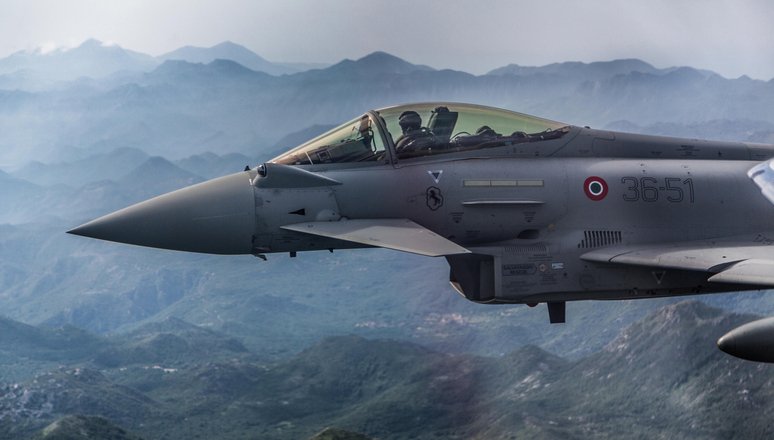
    Eurofighter TyphoonItaly (previous rotation), Germany (upcoming)Šiauliai, Lithuania; Lielvarde, LatviaHigh speed, advanced radarVersatile interceptor, regional coverage

    Table Insight: The F-16 remains the backbone of the 2025 rotations due to its reliability and quick response capabilities, while the F-35’s advanced technology was used sparingly, reflecting NATO’s strategic balance between cost and capability.

    Voices from the Ground: A Pilot’s Perspective

    To bring the mission to life, imagine being a Polish F-16 pilot stationed in Šiauliai. Your day starts with a briefing, checking weather conditions and intelligence reports. The Quick Reaction Alert (QRA) team is on standby 24/7, ready to launch within minutes. When the alarm sounds, adrenaline surges as you sprint to your jet, knowing you might encounter a Russian aircraft testing NATO’s resolve.

    A NATO pilot I spoke with (anonymously, due to operational security) shared, “It’s not just about flying fast—it’s about staying calm under pressure. You’re representing 31 nations, and every move is watched.” This human element—the blend of skill, courage, and diplomacy—defines the mission’s success.

    Expert Analysis: What’s Driving the 2025 Updates?

    Experts point to several factors shaping the BAP mission this year:

    • Russia’s Assertiveness: The increase in Russian aircraft violations reflects Moscow’s strategy to probe NATO’s defenses, as noted by Walter Ladwig from King’s College London Washington Post. While the India-Pakistan conflict dominates headlines, the Baltic region remains a critical theater.
    • NATO’s Strategic Shift: The alliance’s focus on strengthening its eastern flank, including the Baltic Sea, is evident in the deployment of AWACS and infrastructure upgrades NATO.
    • Technological Evolution: The mix of F-16s and F-35s reflects NATO’s balancing act between affordability and cutting-edge capability, a point emphasized by analysts at the Hudson Institute Business Insider.

    Tanvi Madan from the Brookings Institution adds, “The BAP mission is a low-key but high-impact operation. It’s about signaling readiness without provocation” CNN. This delicate balance defines NATO’s approach in 2025.

    FAQ: Common Questions About the Baltic Air Policing Mission

    Q: Why don’t the Baltic states have their own fighter jets?

    A: Estonia, Latvia, and Lithuania are small nations with limited defense budgets. Maintaining a fighter jet fleet is costly, so they rely on NATO’s collective defense to secure their airspace. The BAP mission allows them to benefit from the alliance’s resources while focusing their budgets on other priorities like ground forces or cyber defense.

    Q: How often do NATO jets intercept Russian aircraft?

    A: Interceptions vary based on Russian activity, but in 2025, NATO jets have scrambled frequently—sometimes multiple times a week, as seen in a June 2 X post reporting seven scrambles in one week. Most encounters are routine, with Russian aircraft escorted out of NATO airspace without incident.

    Q: What happens during a scramble?

    A: When an unidentified aircraft is detected, the QRA team is alerted. Pilots launch within minutes, guided by ground control and AWACS. They visually identify the aircraft, maintain a safe distance, and escort it out of NATO airspace if necessary, avoiding provocation while asserting presence.

    Q: Is the mission at risk of escalation?

    A: While incidents like GPS jamming or radar lock-ons are concerning, NATO’s strict protocols minimize escalation risks. Pilots are trained to respond professionally, and diplomatic channels work to de-escalate tensions, as noted in The New York Times.

    Q: How can I stay updated on the mission?

    A: Follow NATO’s official channels or X accounts like @NATO_AIRCOM for real-time updates. News outlets like Euractiv and BulgarianMilitary.com also provide detailed coverage.

    Looking Ahead: The Future of Baltic Air Policing

    As we move deeper into 2025, the BAP mission will likely face new challenges and opportunities. The planned deployment of German Eurofighters to Latvia signals NATO’s commitment to long-term presence in the region. Meanwhile, the integration of advanced technologies like AWACS and potential upgrades to base infrastructure will enhance the mission’s effectiveness.

    For readers interested in global security, staying informed about the BAP mission offers a window into NATO’s broader strategy. You can engage by following reputable sources, joining discussions on platforms like X, or even visiting air shows where NATO aircraft are showcased—events that often feature F-16s or Eurofighters in action.

    Conclusion: A Mission That Soars Beyond the Skies

    The Baltic Air Policing mission in 2025 is more than a military operation; it’s a testament to NATO’s unity, resilience, and adaptability in a complex world. From Polish F-16s roaring into the Lithuanian dawn to Portuguese pilots making their mark in Estonia, the mission embodies the human and technological effort to safeguard a region on the edge of geopolitical fault lines. Each scramble, each rotation, tells a story of vigilance and cooperation, reminding us that peace in the skies is hard-won.

    As I reflect on those childhood memories of jets overhead, I’m struck by how the BAP mission connects the dots between individual courage and global stability. For anyone captivated by this blend of strategy and storytelling, the mission offers endless lessons. Keep an eye on the skies—and the news—for what comes next.